Climate change and workplace safety: how to prepare
Climate change is raising heat, storm, smoke and UV risks at work. Learn what Australian businesses should assess, control and plan for.
هذا المقال متوفر بالإنجليزية حاليًا.
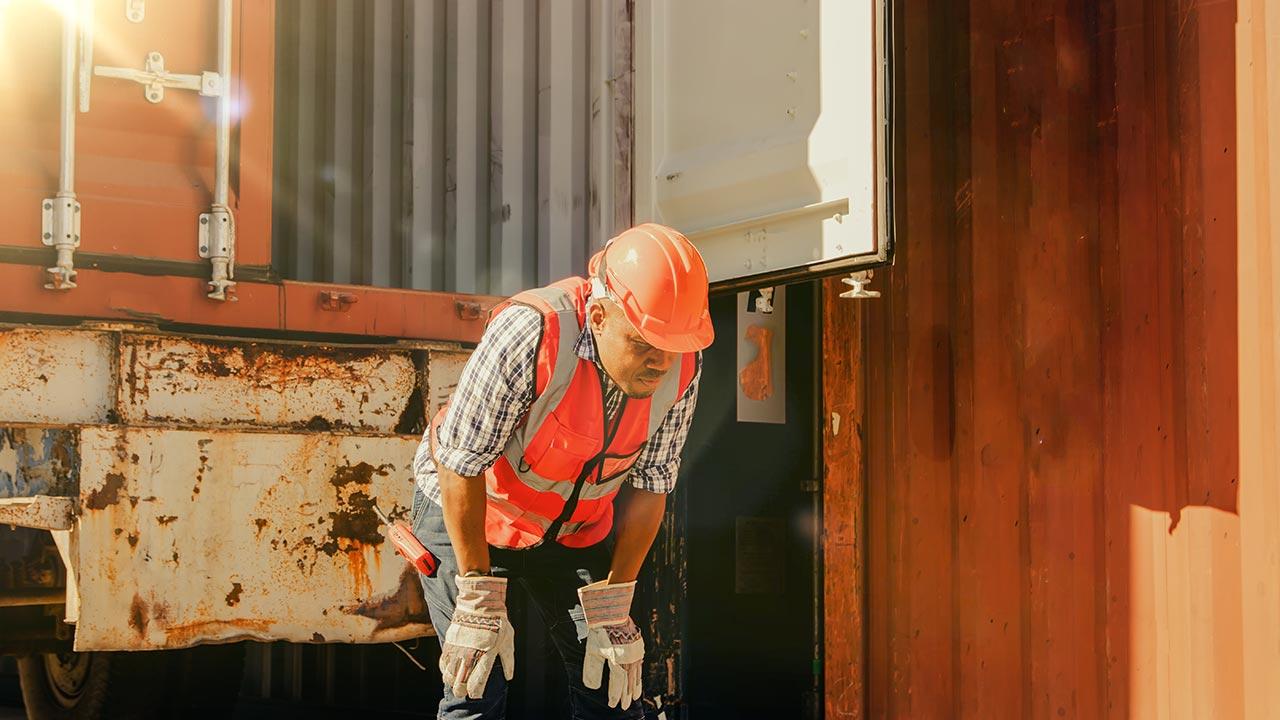
Climate change makes heatwaves, storms, bushfire smoke and floods more likely and more severe, and workers exposed to them face more risk. Under the WHS laws, the business doing the work (the PCBU) must manage those risks so far as is reasonably practicable. That means finding the climate hazards that affect your site, controlling them, and planning for the days when controls aren't enough.
This guide covers the main climate-related hazards for Australian workplaces and the steps you can take now. It also shows how to fold them into your existing workplace safety and health duties rather than treating them as a separate project.
How does climate change affect workplace safety?
It changes the conditions your workers face, and it changes how often those conditions happen. Hotter summers mean more days when heat stress is a real risk. More intense storms and floods damage buildings, cut power and disrupt supply. Bushfire smoke can make the air unsafe to breathe for days at a time. Each of these hazards already exists on many sites. Climate change makes them more frequent and harder to predict, so a risk assessment done five years ago may no longer reflect what your workers face.
Climate change also affects people's mental health. Losing a home or business in a disaster, or uncertainty about future work, can cause stress and anxiety. Under the model Code of Practice on psychosocial hazards (2022), these are hazards you have to manage like any other.
What are the main climate hazards at work?
Heat stress
Heat is the hazard most likely to hurt workers now. Heat stress can cause dizziness, cramps, heat exhaustion and, in severe cases, heat stroke. It also slows thinking and makes mistakes more likely, which is a safety problem even when no one gets sick.
The people most at risk are:
- indoor workers in hot environments without good cooling, such as kitchens, factories and warehouses
- outdoor workers on roofs, roads, construction sites and farms
- workers with heavy physical tasks, or with protective clothing that traps heat
- workers who move between hot and cold areas
- new workers who haven't yet adjusted to the heat
Safe Work Australia's guide for managing the risks of working in heat sets out how to assess and control these risks.
UV radiation
Outdoor workers receive far more UV exposure than most people. Over time, that causes sunburn, skin cancer and eye damage. UV exposure is a risk even on cool or cloudy days, so it should be part of your planning, not just a hot-weather issue.
Storms, floods and severe weather
Storms and floods can damage buildings and equipment, bring down power lines and trees, and make roads and work sites unsafe to reach. Your work might also stop because a supplier or customer is cut off, which can put pressure on crews to rush.
Bushfire and smoke
Bushfire smoke contains fine particles and gases that irritate the lungs and worsen heart and lung conditions. Smoke can reach workplaces far from the fire, and it can last for days. Outdoor and vehicle-based workers are often most exposed.
Coastal and flood-prone sites
If your site is near the coast or on low ground, rising sea levels and storm surges raise the chance of flooding and erosion. These risks change slowly, but they affect decisions about where you build, store equipment and keep records.
How do you assess climate risks at your workplace?
Start with your own site and operations, then look at the wider risks. Use these steps:
- List your locations. Include offices, yards, depots, warehouses, job sites and vehicles.
- Identify the climate hazards for each one. Use local information on heat, storms, flooding and fire risk. Your local council often has hazard maps, and the Bureau of Meteorology publishes climate data for your area.
- Look at what the hazard would affect. Workers, equipment, supplies, power, access roads and client deadlines.
- Rate each risk. A simple likelihood and consequence matrix is enough for most businesses.
- Record the controls and who owns each one. Put names and review dates against every high-priority risk.
Climate risk doesn't need its own register if you already keep a risk assessment. Add the climate hazards to the same register so they're reviewed with everything else. You can use the heat stress risk assessment form to record heat conditions on site.
What controls should you put in place?
Use the hierarchy of controls. Plans and PPE are the last line, not the first.
Heat controls
Heat controls work best when they are written down and followed every day. A practical heat plan usually includes:
- Scheduling. Move heavy work to the cooler hours of the morning or evening, where the job allows.
- Shade and cooling. Provide shade, fans, air conditioning or cool rooms, and keep vehicles cool.
- Breaks. Schedule regular breaks in a cool area. Shorten shifts or rotate workers during the hottest periods.
- Water and salt. Keep cool drinking water within easy reach, and encourage workers to drink before they feel thirsty.
- Monitoring. Check temperature and humidity at the work area, and agree in advance on the conditions at which work stops.
- Buddy checks. Workers watch each other for signs of heat illness, such as confusion, headache, nausea or unusual sweating.
- First aid. Make sure trained first aiders are on site during hot work, and know how to cool a worker down quickly.
A hot conditions safety policy or a heat stress SWMS can give your crew a starting point you can adapt to your site.
Storm, flood and fire controls
- Secure loose items, such as signs, scaffolding and materials, before a storm.
- Set a rule for when work stops, such as lightning, high winds or flood warnings, and make sure everyone knows who makes that call.
- Keep an emergency plan for evacuation and shelter, and check that it works with the weather alerts you receive.
- For smoke, watch the air quality index for your area. Move work indoors or stop it when the air is poor, and provide suitable respiratory protection where you can't avoid exposure. Respirators need fit testing and must be worn properly to work.
UV controls
Provide shade where you can, schedule outdoor tasks away from the peak UV hours, and make sure workers have sunscreen, hats and suitable clothing. Remind them to use these, because workers are less likely to protect themselves when they're busy.
How should you plan for extreme weather?
Prevention reduces the chance of harm. Planning reduces the damage when something still happens. Include these in your plan:
- Emergency response. Set out evacuation routes, assembly points, shelter locations and how people will be accounted for.
- Communication. Decide how you'll contact workers if phones or power are down. Text alerts, a phone tree or designated contacts can all work.
- Business continuity. Identify which operations you must keep running and how you'll keep them going, or restart them quickly, after a disaster. See our guide to building a business continuity plan.
- Training and drills. Run drills at least once a year, and after any significant change, so people know what to do without thinking.
- Post-event checks. After a storm or fire, inspect buildings, power and equipment before anyone goes back in.
SafetyDocs has heat, storm and emergency documents you can adapt to your site, including hot conditions policies, heat stress SWMS and emergency plans. The job and site details fill in themselves, and workers sign the new version on their phone from a text, link or QR code, with no app or account needed. When conditions change, you update the document once and everyone who signed is asked to sign again. This helps you show your controls are current. It doesn't make you compliant on its own.
Does technology help?
It can. Temperature and humidity sensors, weather alerts and wearable devices can warn you when conditions are changing. Some sites use wearables to track heart rate or body temperature, but you must consult workers about how their data is collected and used. Technology supports your controls. It doesn't replace them.
Common questions
Is heat stress a WHS issue? Yes. Heat is a hazard like any other. Under the WHS Act, the PCBU's primary duty of care in section 19 covers heat, and you must manage it in the same way as other risks.
Do I need a separate climate risk plan? Not necessarily. Most businesses can add climate hazards to their existing risk assessments, emergency plans and business continuity plans. What matters is that they are assessed, controlled and reviewed.
What's the first thing to do before summer? Review your heat controls: check shade, water and cooling, confirm who stops work and when, and make sure supervisors and workers know the plan.
Should I rely on PPE for heat or smoke? No. PPE is the last control. Cooling and shade come first, and respirators only help when they fit properly and are used correctly.
This is general information, not legal advice. Check the current law with your WHS regulator.
مكتبة النماذج
طبّق ذلك عمليًا مع نموذج SWMS جاهز.
تصفّح نماذج SWMS المكتوبة للحِرف في أستراليا. عاين أيًّا منها مجانًا، ثم عدّل واحدًا ليناسب مهمتك في دقائق.
نماذج لهذا العمل
- بيان طريقة العمل الآمن (SWMS)Earthmoving Equipment
- بيان طريقة العمل الآمن (SWMS)EWP, Boom, Cherry Picker and Scissor Lift
- بيان طريقة العمل الآمن (SWMS)Height Access Equipment
- بيان طريقة العمل الآمن (SWMS)Painting and Decorating
أدلة ذات صلة
المخاطر
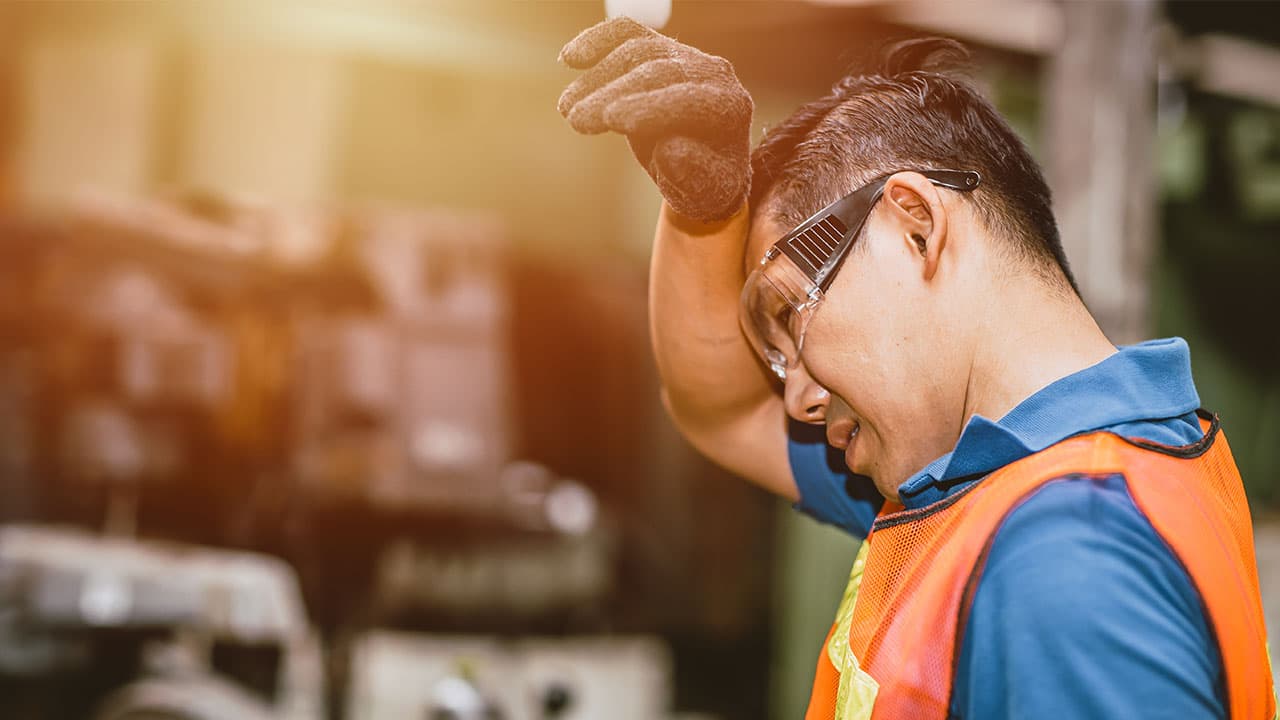
Heat stress management: a plan for hot working conditions
Manage heat stress at work: spot the warning signs, assess heat risks, apply controls, train your crew and review the plan, under Australian WHS laws.
المخاطر
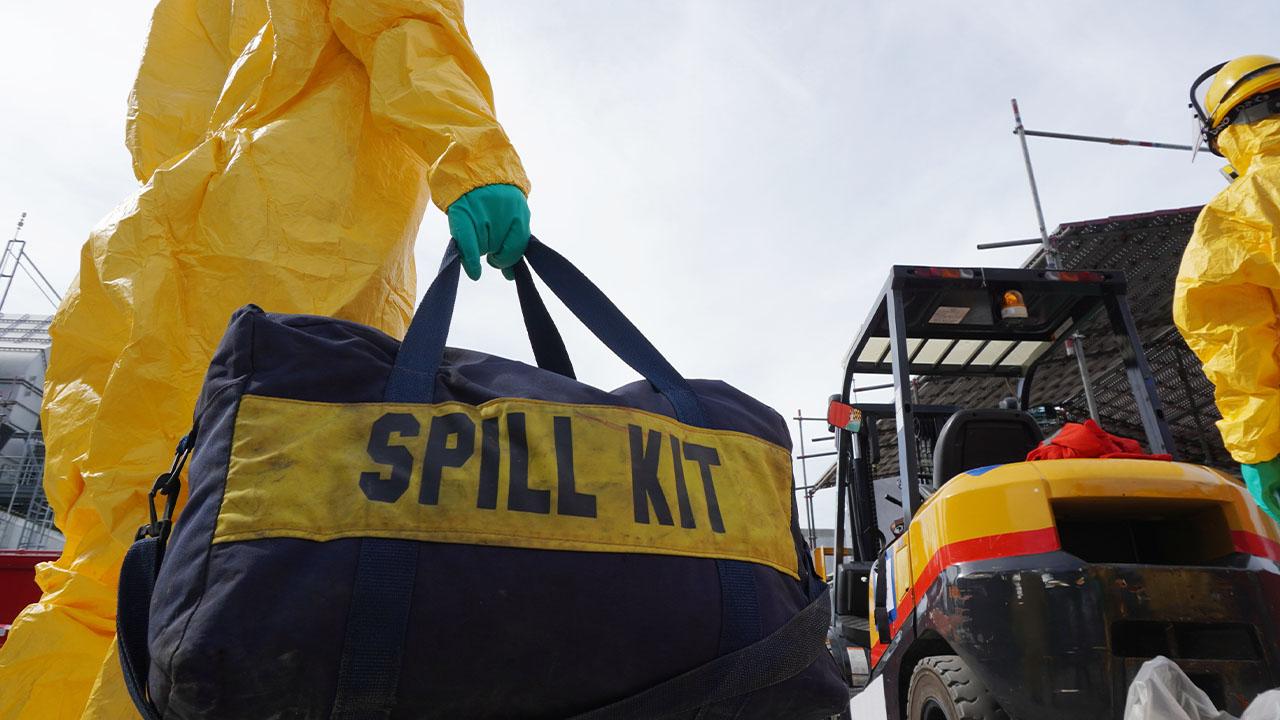
Types of chemical spills and how to plan your response
The main types of chemical spill, how to tell a minor spill from a major one, and the steps for a chemical spill response plan that works on site.
المخاطر
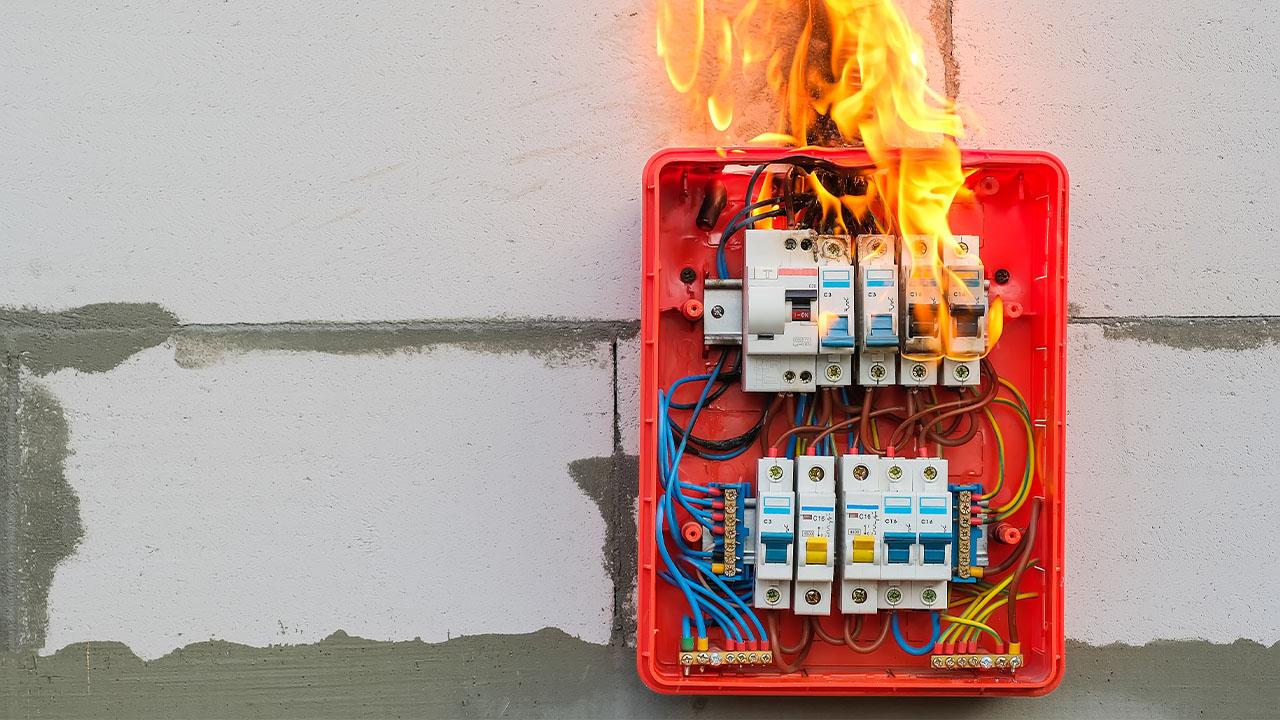
Electrical emergency preparedness for contractors and trades
Plan for electrical emergencies on site: spot the common hazards, respond safely to shock and fire, and write an emergency plan your crew can follow.