Rural agricultural health and safety: a guide for farms
The main health and safety hazards on Australian farms, from vehicles and livestock to chemicals and confined spaces, and the controls that reduce them.
هذا المقال متوفر بالإنجليزية حاليًا.
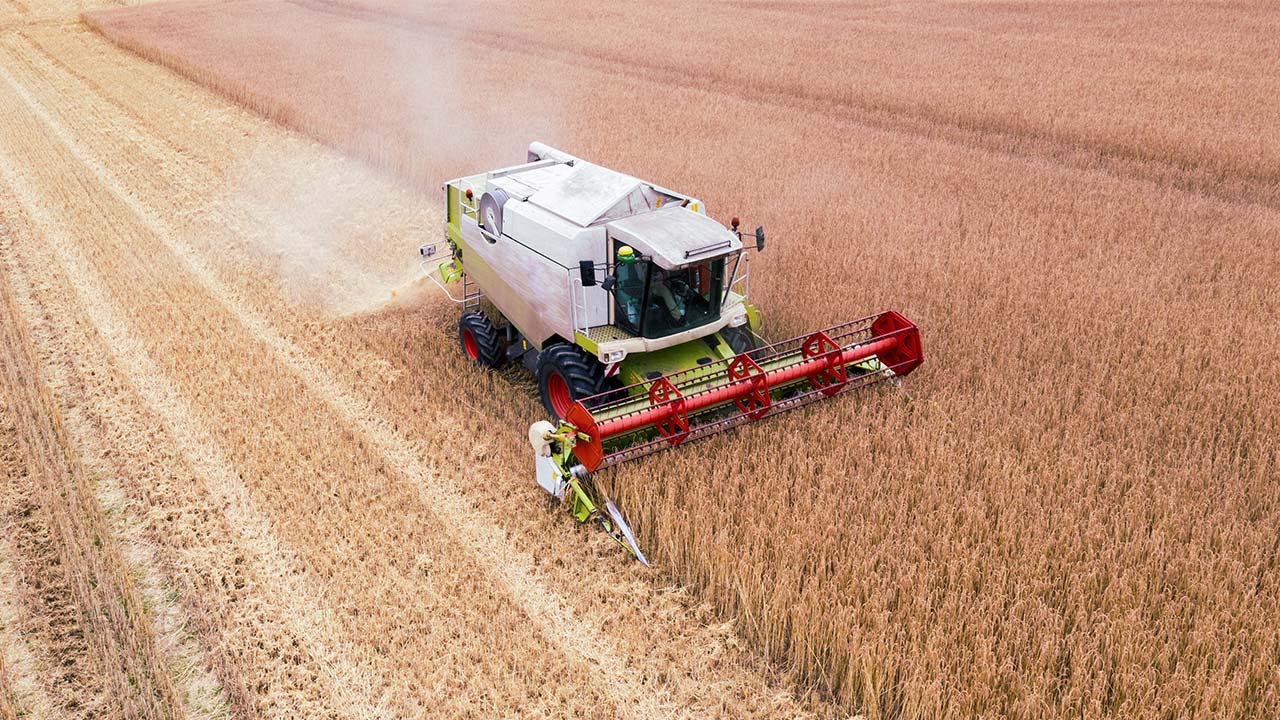
Rural and agricultural health and safety means finding the hazards on your property and controlling them, so that workers, family members and visitors get home safely every day. The biggest risks on farms come from vehicles and mobile machinery, livestock, chemicals, falls from height, confined spaces and working alone. If you run a business or undertaking on a farm, the WHS laws require you to manage those risks, even when the workplace is also someone's home.
Farm work is different from most jobs. The tasks change from day to day, one person might drive a tractor, service a bore, handle chemicals and fix a roof before lunch, and the work often happens far from help. This guide covers the hazards you're most likely to meet and the practical controls that reduce them.
Why farms need a formal approach
A farm rarely has one hazard. A quad bike on a slope, a child nearby and a dam at the bottom of the paddock is a combination that can kill. Farms also tend to have an older workforce, limited access to medical care and many people who work alone, so a small injury can become a serious one before anyone notices.
Writing down what you do and how you do it is the first step. It helps you train new workers, explain the job to family members and contractors, and show a regulator or insurer that you've thought about the risks.
What the law asks of you
Under the model Work Health and Safety Act, a person conducting a business or undertaking (PCBU) has a primary duty of care to workers and anyone else who could be affected by the work. Generally, if you employ workers or engage contractors on your farm, you are a PCBU. That duty can't be handed to someone else, so a contractor or a template doesn't take it away from you.
In practice, that means you must identify the hazards, assess the risks and put controls in place. You must also review those controls when one stops working, before a change at the workplace, when a new hazard appears, after consultation shows a review is needed, or when a health and safety representative asks for one (regulation 38 of the WHS Regulations). Victoria has its own OHS Act and Regulations, but the same ideas apply.
The main hazards and how to control them
Vehicles and mobile machinery
Vehicles are one of the leading causes of serious injury and death on farms. The main risks are rollovers, collisions and entanglement, especially on slopes, uneven ground or in wet weather. Quad bikes, tractors, utes, telehandlers and harvesters all carry these risks.
Controls to put in place:
- Train every operator before they use a machine, and keep a record of who has been trained on what.
- Fit rollover protection and use seatbelts where the machine has them.
- Keep quad bikes to one rider, and don't carry passengers unless the machine is designed for them.
- Plan routes around slopes, creeks, dams and blind corners.
- Service vehicles on a schedule and tag out any machine with a fault.
Children on the farm
A farm is also a home, and children are seriously hurt on farms and rural properties every year. Younger children are most at risk, and the dangers include machinery, dams, chemicals and livestock. Keep children supervised, make sure they understand the dangers, and fence or lock away machinery, chemicals and water. Have a safe play area that is away from work.
Livestock
Cattle, horses, pigs and other stock can crush, kick, trample or bite people, especially when they are startled or moved through narrow spaces. Handling livestock is also a route for diseases such as Q fever, leptospirosis and Hendra virus.
Train everyone who handles stock, install gates and fencing that keep people and animals apart, and provide gloves, boots and overalls. Wash hands after handling animals and clean up after yards and sheds.
Chemicals
Herbicides, insecticides, fungicides, veterinary products and fuels can cause harm through skin contact, inhalation or accidental spills. Before using any product:
- Read the label and the safety data sheet (SDS) for it.
- Use the least hazardous product that does the job, and follow the label directions.
- Don't spray in wind. Keep spray away from people, animals and water.
- Wear the PPE the label or SDS calls for, such as gloves, goggles and a respirator.
- Store chemicals locked, labelled and away from feed, and keep a spill kit close by.

Asbestos in old buildings
Many farm sheds, silos and houses still have asbestos-containing materials, such as cement roof sheeting, cladding, pipe lagging and insulation around old boilers. Asbestos is only dangerous when the fibres get into the air, so the risk rises when sheets are drilled, cut, broken or removed. If you suspect asbestos, get a qualified person to test it before any building work. Don't disturb it yourself until you know what it is.
Falls from height
Falls from ladders, roofs, silos, windmills and machinery platforms are a common cause of serious injury. Many falls happen while structures are being built or repaired. Use fixed access where you can, such as a platform with rails rather than a ladder, and use a harness where there is no other protection. Never work at height alone, and make sure the ground is firm and the ladder is secured.
Confined spaces
Silos, grain bins, tanks, wells, vats and pits can be deadly because the air can run out of oxygen, fill with gas or trap a person. Treat every one as a confined space. Ventilate, test the air before entry where the space may contain gas, never enter alone, and have a rescue plan that someone can carry out in minutes, not hours.

Electrical hazards
Power poles and lines near machinery are a major risk, especially for tall equipment and augers used to move grain. Keep machinery and people well clear of overhead lines, and report any damaged line to the energy provider straight away. Only a qualified person should carry out electrical repairs, and never use electrical equipment in damp conditions.
Sun, heat and cold
Australian farm workers spend long hours outside, so UV exposure is a major long-term risk. Wear a wide-brimmed hat, long sleeves and long pants, use SPF 30+ sunscreen and reapply it, take breaks in the shade, and avoid the middle of the day where you can. In heat, watch for signs of heat stress and drink water before you feel thirsty. Our heat stress guide covers the warning signs in more detail. In cold weather, watch for hypothermia and icy surfaces.
Manual handling
Lifting bales, feed bags, pumps and equipment causes back and musculoskeletal injuries. Use trolleys, hoists or machines to move heavy loads, ask for help, and take breaks on long jobs. Lift with your legs, keep the load close and avoid twisting.
Dust and respiratory hazards
Grain, hay, silage, cotton and enclosed livestock sheds create organic dust that can cause asthma, bronchitis and a serious illness called organic dust toxic syndrome. Wear a respirator when handling dusty materials, wash up afterwards, and see a doctor promptly if you have breathing problems after exposure.
Working alone and remote work
Many farm workers spend long periods alone, often well out of mobile phone range. Set a check-in routine with someone who knows where you are and when to raise the alarm. Use radios where mobile coverage is poor, carry a first aid kit and keep your equipment serviced. Write an emergency plan that says what happens if a check-in is missed. For more on lone work, see our guide to lone worker safety in remote areas.
| Hazard | Common examples on farms | Key controls |
|---|---|---|
| Vehicles and mobile plant | Quad bikes, tractors, utes, telehandlers | Training, rollover protection, one rider, planned routes |
| Livestock | Cattle, horses, pigs, yards and gates | Trained handlers, fencing, separate work areas, hygiene |
| Chemicals | Herbicides, insecticides, veterinary products, fuel | SDS and labels, PPE, locked storage, spill kit, no spraying in wind |
| Asbestos | Old sheds, roof sheets, pipe lagging | Test before disturbing, qualified removal, no DIY cutting |
| Falls | Roofs, ladders, silos, windmills | Fixed access, harnesses, never alone at height |
| Confined spaces | Silos, grain bins, tanks, wells | Ventilate, test air, never enter alone, rescue plan |
| Electrical | Overhead lines, grain augers, damp sheds | Clearance from lines, qualified electricians, RCDs |
| Sun and heat | Long hours outdoors, paddock work | Hat, sunscreen, shade, water, rest breaks |
| Dust | Grain, hay, silage, enclosed sheds | Respirators, washing up, medical follow-up |
How to build a farm safety plan
- Walk the property. Go through the sheds, paddocks, dams, yards and workshop with a notebook. Note what could hurt someone, and change the list each season.
- Ask the people who work there. Workers, family members and contractors know the shortcuts and near misses that you may have missed.
- Apply the hierarchy of controls. Remove the hazard if you can, such as by fencing off a dam. If you can't, change the method, isolate the hazard, then rely on training and PPE last.
- Write the procedures down. A short standard operating procedure for each high-risk task, such as quad bike use or spraying, is easier to follow than a long manual.
- Review after every incident. Near misses and changes in the work are triggers to update the plan.
Use the farm safety SOPs and farm machinery procedures as a starting point, and adapt them to your property.
Common questions
Is a family farm covered by the WHS laws? Often yes. If you employ workers or engage contractors, you're generally a PCBU, and the duties apply to the work your business does, even if the farm is also your home.
Do I need a formal management system on a small farm? The law doesn't require a particular system, but it does require you to manage risks. A simple, written plan that covers your main hazards, controls and reviews is a practical way to do it.
Who must be trained to operate farm machinery? Anyone operating a machine should be trained and competent to use it. That includes family members and casual workers. Keep a record of the training.
What if a worker won't follow the safety rules? Explain the rule, the reason for it and the consequences, then supervise until the habit is set. Persistent non-compliance should be addressed through your normal disciplinary process and documented.
This is general information, not legal advice. Check the current law with your WHS regulator.
مكتبة النماذج
طبّق ذلك عمليًا مع نموذج SWMS جاهز.
تصفّح نماذج SWMS المكتوبة للحِرف في أستراليا. عاين أيًّا منها مجانًا، ثم عدّل واحدًا ليناسب مهمتك في دقائق.
نماذج لهذا العمل
تصفّح مكتبة النماذجأدلة ذات صلة

المخاطر
Environmental risks in industrial operations: 10 key areas
The environmental risks most common in industrial operations, from air and water pollution to chemical spills, and how to manage each one on site.

المخاطر
3 types of environmental hazards in the workplace: examples
The three types of workplace environmental hazards are chemical, physical and biological. See examples of each, and the controls that reduce the risk.

المخاطر
Heat stress management: a plan for hot working conditions
Manage heat stress at work: spot the warning signs, assess heat risks, apply controls, train your crew and review the plan, under Australian WHS laws.