High-risk construction work in Australia: the 18 activities
The 18 kinds of high-risk construction work under the WHS Regulations, why each one needs a SWMS before work starts, and what to check first.
هذا المقال متوفر بالإنجليزية حاليًا.
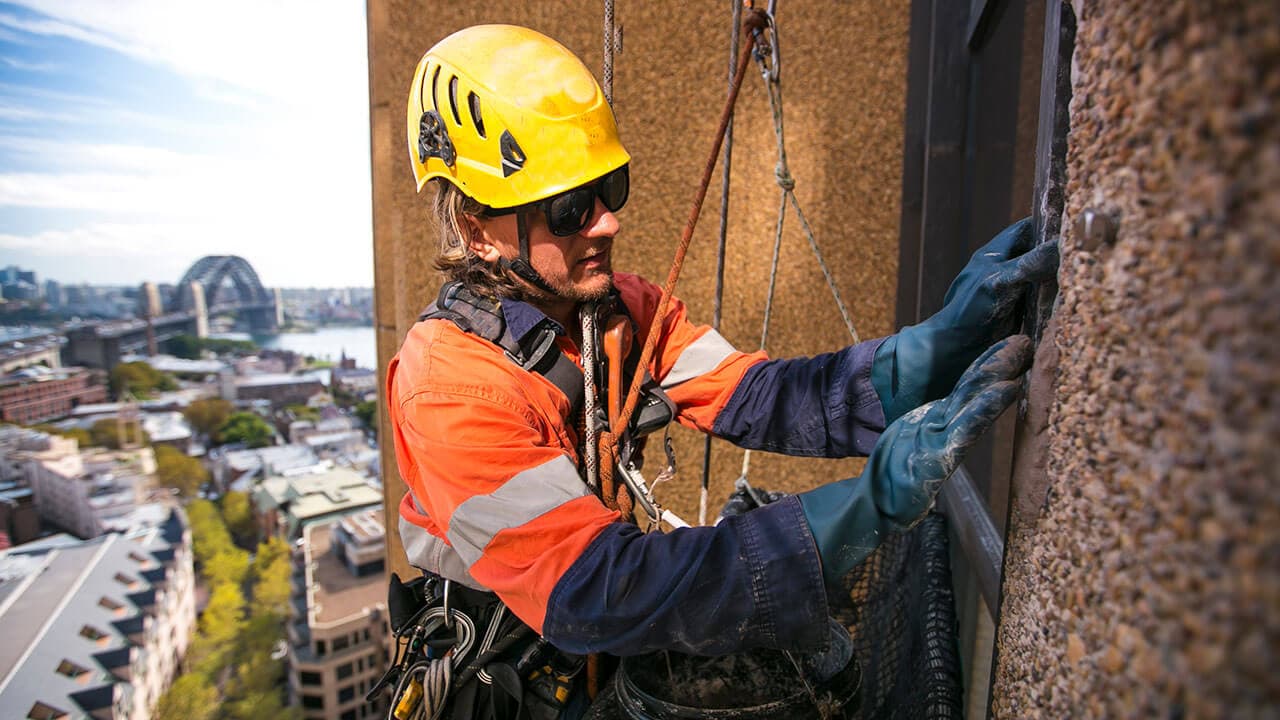
High-risk construction work (HRCW) is 18 kinds of construction work that the WHS Regulations list because they carry a high risk of serious injury or death. Before any of it starts, you need a safe work method statement (SWMS) that identifies the work, its hazards and controls, and how those controls will be implemented, monitored and reviewed. The test is the work itself, not the trade or the size of the job, so check the scope against the list.
The 18 kinds of high-risk construction work
The list is in regulation 291 of the model WHS Regulations. Work counts as HRCW if it involves any of these:
- A risk of a person falling more than 2 metres
- Work on a telecommunication tower
- Demolishing a load-bearing element, or any element that affects the physical integrity of a structure
- Disturbing asbestos, or work that is likely to do so
- Structural alterations or repairs that need temporary support to prevent collapse
- Work in or near a confined space
- Work in or near a shaft or trench deeper than 1.5 metres, or in or near a tunnel
- Work with explosives
- Work on or near pressurised gas distribution mains or piping
- Work on or near chemical, fuel or refrigerant lines
- Work on or near energised electrical installations or services
- Work in an area that may have a contaminated or flammable atmosphere
- Work involving tilt-up or precast concrete
- Work on, in or next to a road, railway, shipping lane or other traffic corridor in use by traffic other than pedestrians
- Work in areas where powered mobile plant is moving
- Work in areas with artificial extremes of temperature
- Work in or near water or another liquid where there's a risk of drowning
- Work that involves diving
Read the list against the scope of the job, not the job title. A roofer doing a fall-from-height job is doing HRCW. So is a plumber who has to cut near an energised service, or a labourer who works next to a trench deeper than 1.5 metres.
What the SWMS must cover
A SWMS must be prepared before HRCW starts (regulation 299). It has to:
- identify the high-risk construction work it covers
- specify the hazards and the risks to health and safety from them
- describe the control measures, and how they'll be implemented, monitored and reviewed
- take account of the circumstances at the workplace, and the principal contractor's WHS management plan where there is one
- be readily accessible and understandable to the people who do the work
For a full checklist, see our guide to what a SWMS must include. The SWMS is also a working document. The work must follow it, and it must stop if it doesn't (regulation 300).
Before work starts: a practical checklist
- Confirm the work is HRCW. Compare each activity on the job with the list of 18. If one matches, you need a SWMS.
- Identify the hazards for each activity. Include access, other trades, overhead and underground services, and the weather. The falls from height and working near traffic hazard guides list the usual causes.
- Choose controls in order. Eliminate the hazard first, then substitute, isolate or use engineering controls. Use administrative controls and PPE last. The hierarchy of controls explains how to apply it.
- Check licences and competence. Some HRCW needs a high-risk work licence. Every worker should be trained and competent for the task they'll do.
- Get the SWMS to the principal contractor. On a construction project, a copy must go to the principal contractor before work starts (regulation 301).
- Talk to the workers. Consult the people who'll do the job about the hazards and controls (section 47 of the WHS Act). They know how the work is really done.
- Brief the crew and record it. Walk everyone through the SWMS before the first task, and have them sign on.
- Decide when you'll review it. Plan for the triggers in regulation 38: a control that isn't working, a change at the workplace, a new hazard, or a request from a health and safety representative.
Check your state's rules
Every state and territory except Victoria has adopted the model WHS laws. Western Australia adopted them from 31 March 2022. Victoria still has its own OHS Act 2004 and OHS Regulations 2017, with its own rules for high-risk work. Our guide to WHS laws by state summarises where the rules differ. If your job is in Victoria, check the list there and the regulator's guidance before you rely on this one.
Safe Work Australia's construction work code of practice is the practical guide to managing these risks, and your regulator will refer to it.
How SafetyDocs helps
SafetyDocs has more than 1,250 expert-written templates, including SWMS for common high-risk tasks such as height access equipment. The job, client and site details fill themselves in, so you change only what's different about this site. Builders can comment on the exact line and approve the SWMS before the crew arrives. Workers sign free on any phone from a text, a link or a QR code. When the SWMS changes, everyone who signed is asked to sign the new version. It helps you meet your duties, but it doesn't make you compliant on its own.
Common questions
Is every construction job high-risk construction work? No. Only the 18 kinds in regulation 291 are HRCW. Lower-risk construction work still needs its risks managed, but a SWMS isn't legally required for it.
Who prepares the SWMS? The person conducting the business or undertaking (PCBU) doing the high-risk work prepares it, usually the subcontractor carrying out the task. It should be written with the people who'll do the work.
What if the method changes halfway through the job? Stop and review the SWMS. When controls are revised, the SWMS must be reviewed and revised as needed (regulation 302). Don't keep working to the old version.
How long do I keep the SWMS? Until the high-risk construction work is finished, or for at least 2 years after a notifiable incident during that work (regulation 303).
This is general information, not legal advice. Check the current law with your WHS regulator.
مكتبة النماذج
طبّق ذلك عمليًا مع نموذج SWMS جاهز.
تصفّح نماذج SWMS المكتوبة للحِرف في أستراليا. عاين أيًّا منها مجانًا، ثم عدّل واحدًا ليناسب مهمتك في دقائق.
نماذج لهذا العمل
تصفّح مكتبة النماذجأدلة ذات صلة
البناء
Lift plans for cranes in Australia: when you need one
When a crane lift plan is needed in Australia, what it must cover for each lift, and how it fits with the SWMS for high-risk crane work.
البناء
What is a scaffold? Hazards, licences and installation rules
What a scaffold is, the types used in Australia, when a licence is needed, the main hazards, and the SWMS and inspection rules that apply.
البناء
Managing contractors: WHS documentation and site safety
How principal contractors and subcontractors share WHS duties, and the plans, SWMS, inductions and checks that keep contractors safe on site.