Difference between JSA and SWMS, and when to use each
The difference between a JSA and a SWMS: the legal requirement, the scope of each, what each must contain, and when to use one, the other or both.
यो लेख अहिलेलाई अंग्रेजीमा छ।
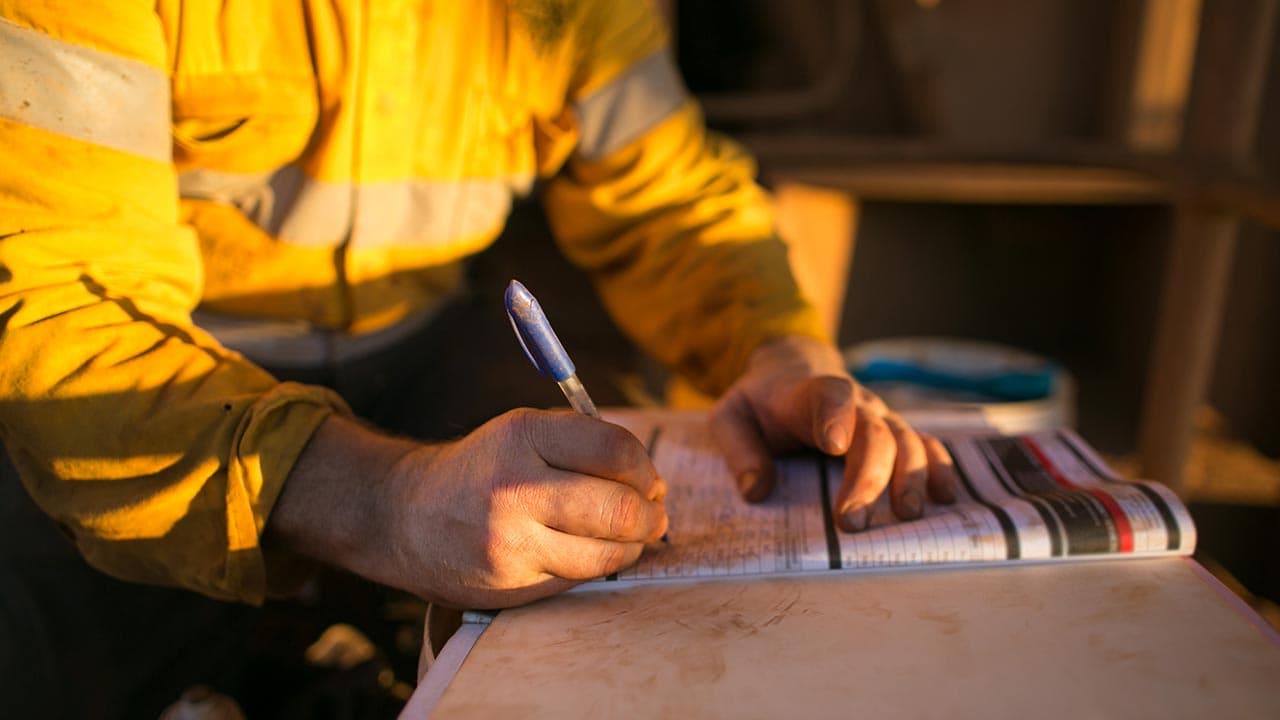
A safe work method statement (SWMS) is required by law before high-risk construction work starts. A job safety analysis (JSA) is a practical tool for a single task, and the WHS laws don't require one. Use a SWMS for high-risk construction work, and a JSA for other tasks where the hazards still need planning. For some jobs you need both.
The two documents are often confused, and the difference matters. A JSA that's used in place of a required SWMS leaves a legal gap, and a SWMS that's written for every small task wastes time the crew could spend on the work.
What a SWMS is
A SWMS covers a high-risk activity as a whole. It sets out the work, the hazards and risks, the controls, and how those controls will be put in place, monitored and reviewed. It has to take account of the site and be written so the workers can understand it.
The duty comes from the regulations. A SWMS must be prepared before the high-risk construction work starts (regulation 299). The 18 kinds of high-risk construction work are listed in regulation 291, and include:
- work where a person could fall more than 2 metres;
- work near energised electrical installations;
- demolition of a load-bearing structure;
- work in or near a confined space; and
- use of explosives.
Our guide to safety in high-risk construction work covers the 18 kinds in more detail, and what a SWMS must include sets out the content. Outside construction, a SWMS isn't legally required, but many businesses in manufacturing, utilities and maintenance use the same format for their most hazardous work. That's a sensible choice, but the law doesn't make them do it.
What a JSA is
A JSA breaks a single job into steps, identifies the hazards in each step, and sets out the safest way to do it. You'll also see it called a job hazard analysis (JHA) or a job safety and environmental analysis (JSEA), which adds environmental risks to the same method.
A JSA is not required by the WHS laws. It's a best-practice tool that applies across any industry, from a warehouse pallet move to a cleaning round. The duty it helps you meet is the general one: ensure health and safety so far as is reasonably practicable (section 19 of the WHS Act). A JSA is one practical way to show you've done that for a task.
Our guide on drafting a JSA explains how to write one. The JSEA template gives you a layout to start from.
What does JSEA mean?
JSEA stands for job safety and environmental analysis. It's a JSA with the environment added: for each step of the job, you list the safety hazards and also the environmental ones, such as a fuel spill, dust leaving the site or runoff into a stormwater drain, with a control for each.
You'll often see JSEAs on jobs where environmental controls matter as much as safety ones, such as civil, mining and resources work. Like a JSA, a JSEA isn't required by the WHS laws, and it doesn't replace a SWMS for high-risk construction work. If a principal contractor asks for a JSEA, they usually want the same steps-hazards-controls format with the environmental risks included.
Side by side
| SWMS | JSA | |
|---|---|---|
| Legal status | Required before high-risk construction work starts | Not required by the WHS laws; a best-practice tool |
| Scope | A high-risk activity, including the site and the crew | A single task or short sequence of steps |
| What it must cover | The work, hazards and risks, controls, and how they're implemented, monitored and reviewed | The steps, the hazards in each step, the controls and who is responsible |
| Who needs a copy | The principal contractor, on a construction project, before work starts | The supervisor and the crew doing the job |
| When it's reviewed | When control measures change (regulation 302) | When the job, equipment or people change, and after an incident or near miss |
| Also called | Safe work method statement | JHA, JSEA |
When to use a SWMS
Use a SWMS whenever the work is high-risk construction work, such as:
- roof work or scaffolding above 2 metres;
- trenching and excavation;
- asbestos removal;
- work near live electrical installations; and
- demolition of a load-bearing structure.
Use one too when a principal contractor, auditor or regulator needs to see a formal, site-specific document, or when the work is part of a project where safety documentation is part of the contract.
Example: a roofing contractor needs a SWMS for work at heights over 2 metres. It sets out the fall protection, the harness system, the rescue plan and who checks each control.
When to use a JSA
Use a JSA when the task isn't high-risk construction work, but the hazards still need planning. JSAs suit non-routine tasks, jobs without a safe operating procedure, and any work where you want the crew to help identify the hazards before they start.
Common examples include:
- equipment cleaning and machine maintenance in a factory;
- manual lifting and pallet moves in a warehouse;
- chainsaw work or work near a road in landscaping; and
- a short confined space entry in a utility, where the task isn't otherwise covered by a SWMS.
Example: a warehouse supervisor asks the team to complete a JSA before moving heavy pallets. The team breaks the job into steps, spots slips and strain injuries, and agrees on team lifts, trolleys and footwear.
Using both
Many jobs need both. The SWMS covers the overall high-risk activity, and a JSA works through the individual steps inside it, such as setting up a ladder or handling materials by hand. The SWMS sets the legal framework, and the JSA gives the crew a clear process for each step.
If you use both, keep them consistent. A JSA that contradicts the SWMS is a problem for the crew and for anyone checking the paperwork.
Common questions
Can a JSA replace a SWMS? No. If the work is high-risk construction work, a SWMS is required. A JSA can support the SWMS, but it can't replace it.
Is a JSEA the same as a JSA? In practice, yes. A JSEA adds environmental risks to the same steps-and-hazards method. Use the name your workplace has agreed on.
Do I need a SWMS for every job? No. A SWMS is only legally required for high-risk construction work. For other jobs, a JSA or safe work procedure is usually enough, as long as the risks are controlled.
Can I use a SWMS outside construction? Yes. Many businesses use the SWMS format for their most hazardous work outside construction. It isn't a legal requirement there, but it can be a useful record of how the work is controlled.
This is general information, not legal advice. Check the current law with your WHS regulator.
टेम्प्लेट लाइब्रेरी
यसलाई व्यवहारमा उतार्नुहोस्, तयारी SWMS सँग।
अस्ट्रेलियाका ट्रेडका लागि लेखिएका SWMS टेम्प्लेट हेर्नुहोस्। जुनसुकै पनि निःशुल्क प्रिभ्यू गर्नुहोस्, अनि केही मिनेटमै आफ्नो कामअनुसार मिलाउनुहोस्।
यो कामका लागि टेम्प्लेट
टेम्प्लेट लाइब्रेरी हेर्नुहोस्सम्बन्धित गाइड

SWMS र JSA
Drafting a JSA: best practice and common mistakes
How to draft a job safety analysis that works: involve the workers, break the job into steps, rate the risks and avoid the mistakes that leave gaps.
SWMS र JSA
Free 'Do I need a SWMS?' checker for your website
Add our free SWMS checker to your website. Visitors tick the work a job involves and see straight away whether the WHS laws need a SWMS.
SWMS र JSA
What does SWMS stand for? Safe work method statement explained
SWMS stands for safe work method statement. Learn what it is, when the WHS Regulations require one, what it must include and how it differs from a JSA.