Types of chemical spills and how to plan your response
The main types of chemical spill, how to tell a minor spill from a major one, and the steps for a chemical spill response plan that works on site.
ਇਹ ਲੇਖ ਫ਼ਿਲਹਾਲ ਅੰਗਰੇਜ਼ੀ ਵਿੱਚ ਹੈ।
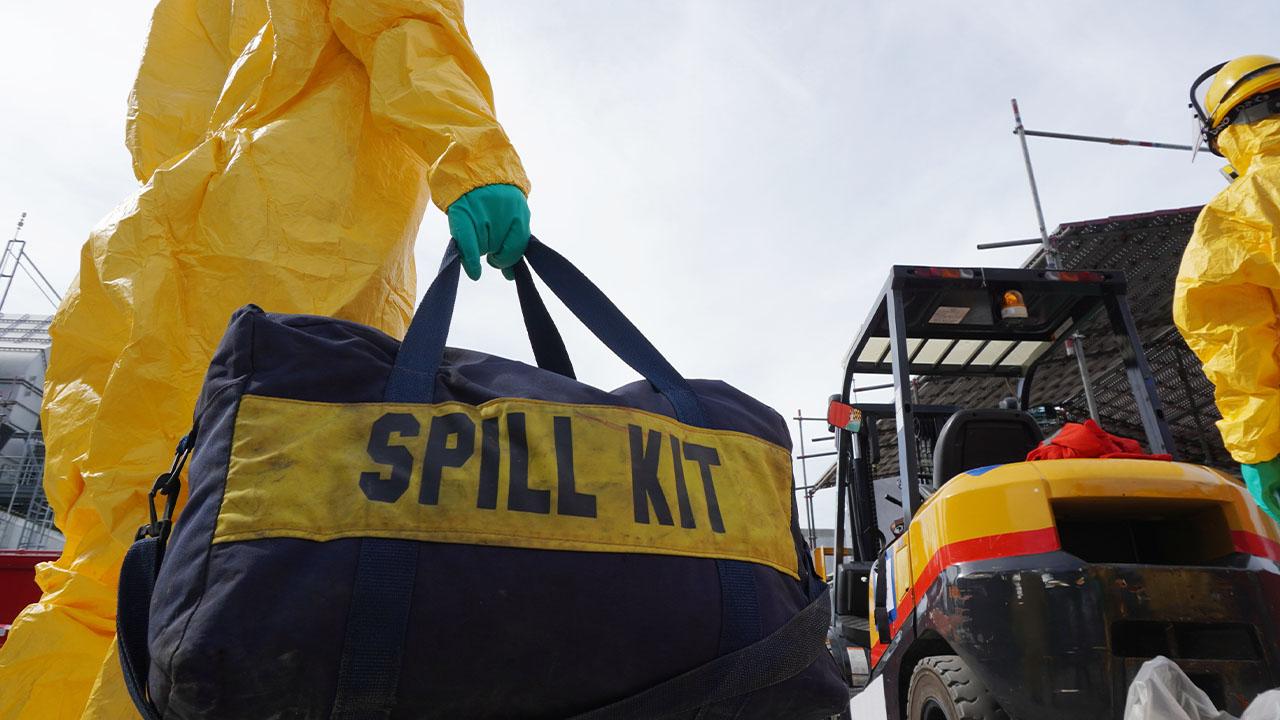
The main types of chemical spill are acid, alkali (base), organic solvent, oxidiser and toxic spills. Each type has its own hazard, so the response changes with the chemical. Spills are also rated by size: a minor spill can be cleaned up by trained staff with a spill kit, while a major spill needs specialist help and may mean evacuating the area. A chemical spill response plan sets out how to identify, contain, clean up and report each type before a spill happens.
What are the types of chemical spill?
The table sorts the common types by the chemical involved. The examples are what you're most likely to find in a workshop, lab, cleaning store or warehouse.
| Type | Examples | Main hazard |
|---|---|---|
| Acid | Sulphuric, hydrochloric and nitric acid | Burns to skin and eyes. Some acids give off irritating fumes |
| Alkali (base) | Sodium hydroxide and ammonia | Burns to skin and eyes, similar to acids |
| Organic solvent | Acetone, toluene and benzene | Flammable. Vapours can cause dizziness or unconsciousness |
| Oxidiser | Hydrogen peroxide and chlorine | Can cause or speed up a fire, and react with other chemicals |
| Toxic | Mercury, lead and arsenic | Harmful if breathed in, swallowed or absorbed through the skin |
The safety data sheet (SDS) for each product confirms its hazards and the first-aid and spill steps to follow. Always check it before you clean up.
Minor or major: how do you tell?
A spill is classed by size, and by where it happened:
- Minor spill: a small amount of a less hazardous substance, in a place where trained staff can reach it safely. Staff can handle it with a spill kit and absorbent material.
- Major spill: a large volume, a highly toxic or flammable substance, or a spill that is spreading. It needs emergency services or a hazmat contractor, and the area may need to be evacuated.
Call emergency services or a specialist straight away if any of these apply:
- You can't identify the substance, or the SDS isn't available
- Someone is injured, or has breathed in or touched the chemical
- The spill is spreading, or heading for a drain, sewer or waterway
- The chemical is flammable, toxic or reactive, and you're not trained to handle it
- Vapours or fumes are building up in an enclosed space
Where a spill has reached the environment, you may also need to report it to your state or territory environment authority.
How to build a chemical spill response plan
A good plan is specific to your site. It lists the chemicals you hold, the places they're stored and used, and the people who respond. The steps below work for a workshop, a warehouse or a laboratory.
- Map where chemicals are stored, used and moved. Include storage areas, production areas, waste stores, loading bays, and the routes forklifts or vehicles take through the site. Don't miss anything: a spill you didn't plan for is the one you'll be unprepared for.
- Assess each area. For each one, note the chemical, the quantity, the hazards on the SDS, how close people are, and whether a drain is nearby.
- Put preventive controls in place. Use secondary containment and bunds for large volumes, storage cabinets for flammables, and spill kits at each point of use. Store incompatible chemicals apart, as covered in managing chemical hazards and safe storage. Use PPE last, as the SDS and your assessment direct.
- List your contacts. Include the spill response team, supervisors, emergency services, a hazmat contractor, medical facilities, your poisons information centre and the emergency numbers for each chemical supplier. Post the list where people can see it.
- Write the response steps. Keep the order simple: make the area safe and stop the source if it's safe to do so, warn others and keep people back, contain the spill, call for help if the spill is major, clean it up with the right PPE, and dispose of the waste correctly.
- Train people and run drills. Only trained people should clean up a spill. Make sure they know where the spill kit is, how to use it, and when to stop and call for help. Run drills with the people who would respond.
- Set the reporting process. Name who gets told, and in what order. Record the date and time, location, substance, quantity, hazards, and the actions taken. Some spills are dangerous incidents that must be reported to the WHS regulator, so check what counts. Notifiable incidents in Australia explains which events must be reported.
- Review and update the plan. Review it at least once a year, after any spill, and whenever you bring in a new chemical or change how it's stored or moved.
What standards and codes apply?
The rules come from several sources. Check each one that applies to your work:
- WHS Regulations. The duty to manage the risks of hazardous chemicals is in the WHS Regulations. The model Code of Practice: Managing the risks of hazardous chemicals sets out how to do it.
- Flammable and combustible liquids. AS/NZS 1940 covers the storage and handling of these liquids.
- Transport. The Australian Dangerous Goods Code sets the rules for moving dangerous goods by road and rail.
- Airborne exposure. Workplace exposure standards set limits for airborne contaminants, including the fumes a spill can release.
- Labels. The Globally Harmonised System (GHS) sets the hazard classes and labels that your containers and SDSs should use.
How SafetyDocs helps
SafetyDocs has expert-written spill response templates, including a chemical spill emergency response plan, hazardous chemical SWMS and emergency response procedures for hazardous substances. You fill in the site details once, and staff sign on from their phone. When the plan changes, everyone who signed the old version is asked to sign the new one, so the people on site are working from the same plan. It helps you keep your records in order. It doesn't make your site compliant on its own.
Common questions
What is the difference between a minor and a major spill? A minor spill is small, involves a less hazardous substance and can be handled safely by trained staff with a spill kit. A major spill is large, involves a highly toxic or flammable substance, or is spreading. Major spills need emergency services or a hazmat contractor.
Do I have to report every spill? Not every spill is reportable. Some are dangerous incidents under the WHS laws and must be reported to the regulator. Releases to the environment can also need reporting to your state or territory environment authority. Check both, and record every spill whether or not you report it.
Who should clean up a spill? Trained people, wearing the PPE the SDS calls for, using the right spill kit. If you're not sure you can do it safely, keep people back and call for help.
How often should I review the plan? At least once a year, after any spill, and whenever chemicals or processes change.
This is general information, not legal advice. Check the current law with your WHS regulator.
ਟੈਂਪਲੇਟ ਲਾਇਬ੍ਰੇਰੀ
ਇਸਨੂੰ ਅਮਲ ਵਿੱਚ ਲਿਆਓ, ਤਿਆਰ-ਬਰ-ਤਿਆਰ SWMS ਨਾਲ।
ਆਸਟ੍ਰੇਲੀਆਈ ਟ੍ਰੇਡਾਂ ਲਈ ਲਿਖੇ SWMS ਟੈਂਪਲੇਟ ਵੇਖੋ। ਕਿਸੇ ਦਾ ਵੀ ਮੁਫ਼ਤ ਪ੍ਰੀਵਿਊ ਕਰੋ, ਫਿਰ ਮਿੰਟਾਂ ਵਿੱਚ ਆਪਣੇ ਕੰਮ ਮੁਤਾਬਕ ਢਾਲੋ।
ਸੰਬੰਧਿਤ ਗਾਈਡਾਂ
ਖ਼ਤਰੇ
Climate change and workplace safety: how to prepare
Climate change is raising heat, storm, smoke and UV risks at work. Learn what Australian businesses should assess, control and plan for.
ਖ਼ਤਰੇ
Safety data sheets (SDS) and hazard communication
What a safety data sheet (SDS) contains, how to read its hazard and first aid sections, and how to keep an SDS register workers can actually use.
ਖ਼ਤਰੇ
Electrical emergency preparedness for contractors and trades
Plan for electrical emergencies on site: spot the common hazards, respond safely to shock and fire, and write an emergency plan your crew can follow.