OHS leadership traits that build a safety culture
The traits and leadership styles that make OHS leaders effective, what they do on site, and how their duties under the WHS Act apply to managers and directors.
ਇਹ ਲੇਖ ਫ਼ਿਲਹਾਲ ਅੰਗਰੇਜ਼ੀ ਵਿੱਚ ਹੈ।

Good OHS leaders are proactive, collaborative, data-driven, committed to improvement, able to see how the whole system fits together, and technically competent. They show these traits in ordinary decisions: what gets checked, who gets asked, and what happens when someone reports a problem. Their behaviour sets the safety culture more than any policy document does.
This guide explains what each trait looks like on a worksite, the leadership styles that work for safety, and why directors and managers carry a personal duty to get this right.
What OHS leadership means
OHS leadership is what people at every level do to make safety real. It includes the director who funds the training budget, the site manager who stops a dangerous task, and the team leader who asks a worker what they saw this morning.
It goes beyond compliance. A business can tick every legal requirement and still have a culture where people hide near misses and work around controls. Leaders close that gap by making safety part of how the work is done, not a separate task. Our guide to safety culture and its benefits covers the basics.
Why poor safety leadership costs money and people
Weak safety leadership shows up in three places.
- People. Injuries, illness and stress follow when hazards aren't managed. Mental health is part of this, not a side issue. Long hours, bullying and unmanaged fatigue all affect safety.
- Money. Lost time, replacement staff, repairs and rework add up fast. Insurance and compensation costs can rise after a serious claim, and fines follow where duties are breached.
- Reputation. Clients, principal contractors and new hires notice safety records. Good workers avoid sites and businesses they think are careless.
The traits of effective OHS leaders
Proactive
A proactive leader looks for hazards before they cause an incident. They ask what could go wrong on tomorrow's job, not what went wrong last week.
On site, that means regular inspections, risk assessments done before work changes, and a clear message that workers should report hazards and near misses without fear of blame.
Collaborative
Collaborative leaders ask the people doing the work how it's really done. Frontline workers often know about a dodgy ladder, a blind corner or a shortcut everyone uses, long before a manager does.
The practical test is simple: when a control is set, does anyone on the crew know why it's there? If not, bring them into the decision.
Data-driven
Leaders who track safety data spot problems earlier. Use two kinds of measure:
- Leading indicators show activity before harm happens. Examples include hazard reports raised, inspections completed, toolbox talks held and corrective actions closed on time.
- Lagging indicators show harm that has already happened. Examples include injuries, lost-time days and near misses recorded.
Track both, but don't let a low injury count fool you. A quiet year with few hazard reports may mean people aren't reporting. For more on this, see beyond safety compliance.
Committed to continual improvement
Good leaders treat every incident and near miss as information. They ask what the system allowed to happen, set a target, check progress and act on what they find.
Involve staff in this. Ask which control they'd change first, then test the idea and report back on what happened.
Systems thinkers
A systems thinker sees how safety connects to the rest of the business. Buying cheaper plant may save money but increase the hazard. Pressure to finish a job early may push people to skip steps. Scheduling that ignores fatigue will affect safety performance as much as any guard.
A systems thinker looks at these links and designs the work so that the safe way is also the practical way.
Technically competent
Leaders don't need to do every job, but they need enough technical knowledge to ask the right questions. They should know the main hazards in their workplace, what controls are required and how emergencies will be handled.
Build this through training, reading the relevant codes of practice and going out on site regularly.
Leadership styles that work for safety
Different situations call for different styles. Most leaders use a mix.
Transformational
Transformational leaders set a clear vision and motivate people to own it. In safety, they lead by example.
- Join the training. Sit in on the induction or the refresher course with your crew.
- Recognise safe behaviour in public. Thank the worker who stopped a lift because the load looked wrong.
- Share your own near misses. Telling your own story makes it easier for others to tell theirs.
Democratic
Democratic leaders involve staff in decisions and share responsibility. This works well for safety because the people exposed to a hazard are often the best judges of its controls.
- Put safety on the agenda of every team meeting or toolbox talk, and ask for input rather than just giving updates.
- Set up a safety committee or give the health and safety representative a real role in planning.
- Run a short anonymous survey once a year to find out what people think is working.
Coaching
Coaching leaders build skills rather than just issuing rules. They check that workers understand why a control matters and can use it properly.
- Set clear safety expectations and make sure the crew has the tools and time to meet them.
- Give specific feedback, both on what went well and on what needs to change.
- Walk the job with the worker when they first use new equipment, and check back a week later.
Strategic
Strategic leaders plan ahead. They keep up with changes to regulations and standards, invest in training, technology and partnerships, and plan for risks that aren't yet on site.
Situational
Situational leaders change their approach to fit the moment. In an emergency, they give clear, direct instructions. When introducing a new procedure, they explain the reasons, ask for feedback and provide training. When a pattern of unsafe behaviour appears, they work on the culture, not just the individual.
A quick checklist for leaders
| Trait | What it looks like on site | Simple test |
|---|---|---|
| Proactive | Inspections and risk assessments before work changes | Can you name the top three hazards on this week's jobs? |
| Collaborative | Workers help set and review controls | Does the crew know why each control is in place? |
| Data-driven | Leading and lagging measures reviewed monthly | Do hazard reports go up or down, and why? |
| Improving | Incidents lead to actions that are checked later | Can you show a fix that worked after the last near miss? |
| Systems thinking | Safety is part of purchasing, scheduling and planning | Did anyone check safety before the last change of plant or method? |
| Competent | Leaders know the main hazards and controls | Could you explain the controls for the highest-risk task to a new worker? |
Laissez-faire leadership is a risk
Laissez-faire leaders step back and let teams decide everything. That can work for creative tasks. In safety, it leaves gaps. Controls drift, nobody checks whether procedures are followed, and problems go unreported because no one is asking.
The fix is not micromanagement. It's structure: a clear safety system, named responsibilities and regular checks, with workers empowered to act within it.
Officers' duties under the WHS Act
Leadership is also a legal duty for senior people. Under section 27 of the WHS Act, an officer of a business, such as a director or a senior manager with real influence over the business, must exercise due diligence to make sure the business complies with its WHS duties.
In practice, due diligence means:
- knowing the main risks of the work the business does;
- making sure the business has the resources and processes to manage those risks;
- checking that those processes work, including by asking questions and reading reports;
- acting when a problem is reported.
Officers can't leave this to a safety adviser and assume the job is done.
Build the culture into your documents
Your leadership shows in the documents people use. A worker consultation record shows that you asked workers. An issue resolution policy shows what happens when they raise a problem. A psychosocial hazards management plan shows you're managing mental health risks, not just physical ones.
How SafetyDocs helps
SafetyDocs gives leaders the policies, plans and records that show safety is actively managed. Workers can raise issues on a step with a photo, and the job's activity log keeps a dated record of what was raised and who read and signed what. When a document changes, everyone who signed the old version is asked to sign the new one.
That record helps you show how you consult and follow up. It doesn't make you compliant on its own.
Common questions
What is the most important OHS leadership trait? There isn't one. Proactive and collaborative leadership are the two that most often change what happens on site, because they bring hazards to light before they cause harm.
Is OHS leadership only for senior managers? No. Team leaders, supervisors and workers can all lead safety. Formal duties sit higher up, but the day-to-day culture is shaped at every level.
Does a safety culture mean fewer rules? Not necessarily. Good safety cultures have clear rules and expect people to follow them. The difference is that people understand the reasons and feel safe reporting when a rule doesn't work.
Am I personally liable as a director? Officers have a personal duty of due diligence under section 27 of the WHS Act. Whether a particular person has breached that duty depends on the facts, so get advice from a lawyer if you're unsure.
This is general information, not legal advice. Check the current law with your WHS regulator.
ਟੈਂਪਲੇਟ ਲਾਇਬ੍ਰੇਰੀ
ਇਸਨੂੰ ਅਮਲ ਵਿੱਚ ਲਿਆਓ, ਤਿਆਰ-ਬਰ-ਤਿਆਰ SWMS ਨਾਲ।
ਆਸਟ੍ਰੇਲੀਆਈ ਟ੍ਰੇਡਾਂ ਲਈ ਲਿਖੇ SWMS ਟੈਂਪਲੇਟ ਵੇਖੋ। ਕਿਸੇ ਦਾ ਵੀ ਮੁਫ਼ਤ ਪ੍ਰੀਵਿਊ ਕਰੋ, ਫਿਰ ਮਿੰਟਾਂ ਵਿੱਚ ਆਪਣੇ ਕੰਮ ਮੁਤਾਬਕ ਢਾਲੋ।
ਇਸ ਕੰਮ ਲਈ ਟੈਂਪਲੇਟ
- ਪ੍ਰਬੰਧਨ ਯੋਜਨਾPsychosocial Hazards Management Plan
- ਨੀਤੀIssue Resolution Policy
- ਫ਼ਾਰਮ, ਰਜਿਸਟਰ ਜਾਂ ਚੈੱਕਲਿਸਟWorker Consultation Record
ਸੰਬੰਧਿਤ ਗਾਈਡਾਂ

ਸੁਰੱਖਿਆ ਸੱਭਿਆਚਾਰ
Safety culture: what it is and why it matters at work
What safety culture means, what a strong one looks like on site, the benefits it brings, and practical ways to measure and build it in your workplace.
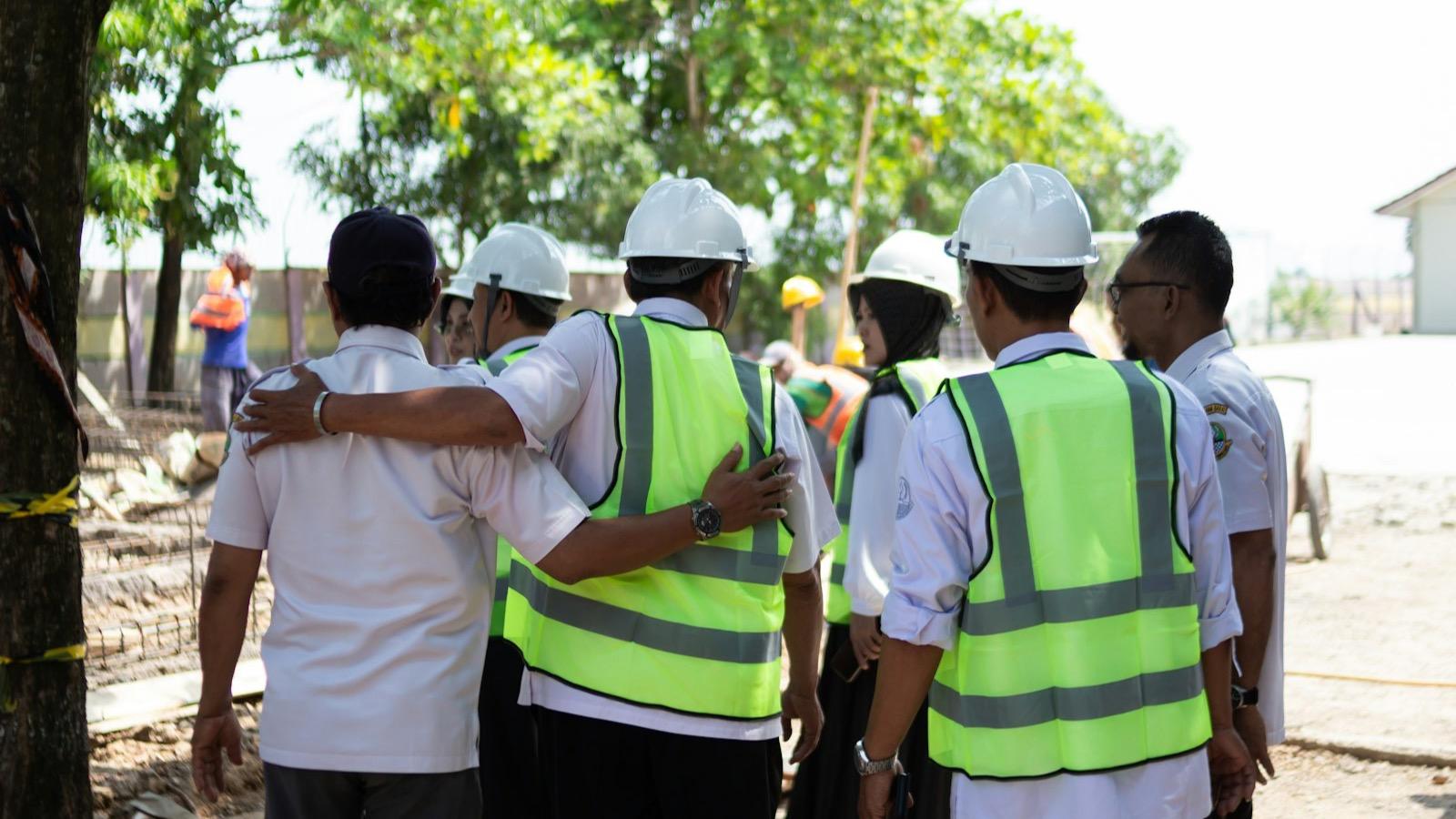
ਸੁਰੱਖਿਆ ਸੱਭਿਆਚਾਰ
Toolbox talk topics for construction and trades
Over 50 toolbox talk topics for construction and trades, grouped by hazard, with the point to make on site and how to pick this week's topic.
ਸੁਰੱਖਿਆ ਸੱਭਿਆਚਾਰ
What is a toolbox talk? How to run one that actually works
A toolbox talk is a short safety meeting held on site. Learn what it covers, how to run a 5 to 10 minute talk your crew engages with, and how to record it.