What does OHSE stand for? Meaning, basics and how to start
OHSE stands for occupational health, safety and environment. Learn what it covers, how it compares with WHS and OHS, and how to set up an OHSE system.
ਇਹ ਲੇਖ ਫ਼ਿਲਹਾਲ ਅੰਗਰੇਜ਼ੀ ਵਿੱਚ ਹੈ।
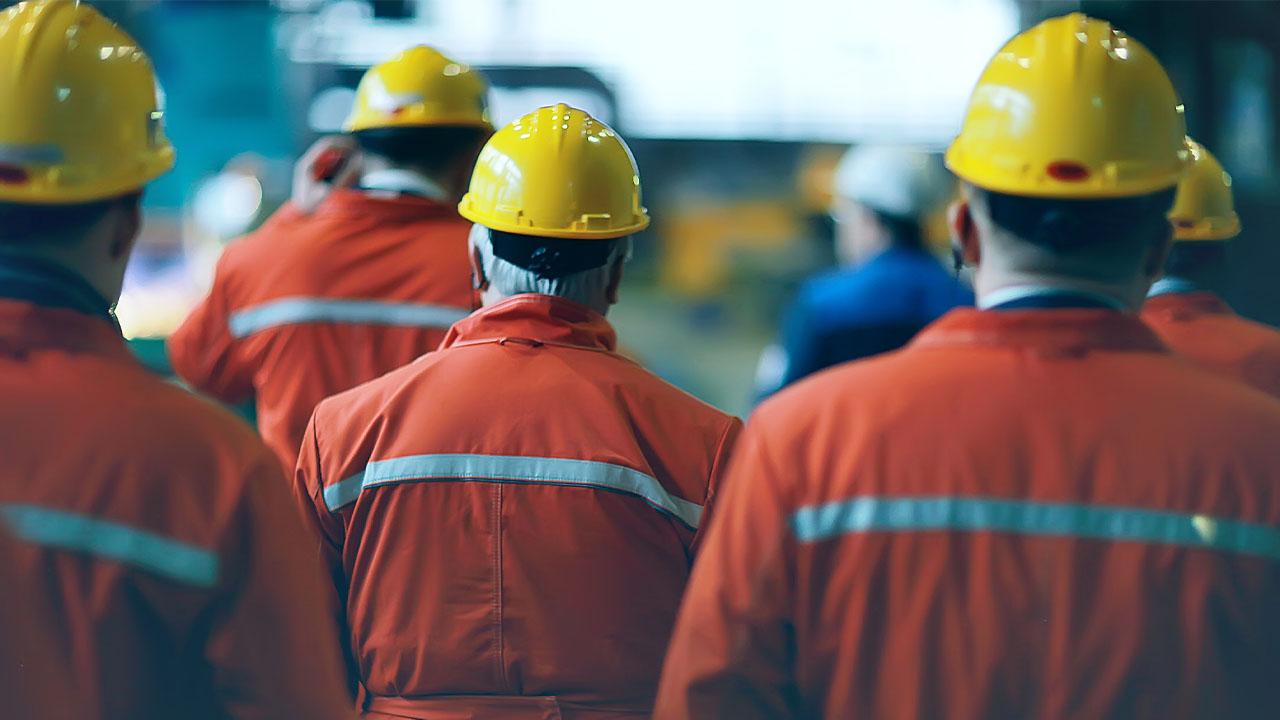
OHSE stands for occupational health, safety and environment. It describes a management approach that protects workers from harm at work and limits the harm your work does to the environment. In Australia, the same safety work is usually called WHS (work health and safety), so you will often see WHSE when the environment is included. The label matters less than the system behind it: hazards found, risks controlled, people trained and records kept.
This guide explains what OHSE covers, how the terms relate, what a management system contains, and how to start one in a business that doesn't have one yet.
OHSE, OHS and WHS: what the letters mean
The terms overlap, and people use them to mean much the same thing.
- OHS (occupational health and safety) is the older term. It is still used widely, including in Victoria.
- WHS (work health and safety) is the term in the model Work Health and Safety laws. The word "work" was chosen to cover more than people in an occupation, such as contractors and temporary workers.
- OHSE and WHSE add the environment. They are most common in management systems that cover safety, health and environmental impacts together.
Most states and territories in Australia have adopted the model WHS laws, including the Work Health and Safety Act 2011 and the Work Health and Safety Regulations 2011. Victoria is the exception. It still runs under the Occupational Health and Safety Act 2004 and the Occupational Health and Safety Regulations 2017. Our guide to WHS laws by state shows which law applies where.
If you are in Victoria, use OHS in your documents. Elsewhere in Australia, WHS is the usual term. Either way, the duties to keep people safe are the same in substance.
What an OHSE system covers
An OHSE system is a set of policies, procedures and records that helps you identify and control hazards, follow the law, and improve over time. It usually has these parts:
- Policy. A short statement of your commitment to safety and the environment, signed by the owner or senior manager.
- Hazard identification and risk assessment. A register of what could cause harm, how likely and how serious it is, and what you do about it.
- Controls and procedures. The steps for each task, including safe work method statements (SWMS) for high-risk construction work.
- Consultation. How workers and contractors raise issues and take part in decisions.
- Training and competency. Induction, task training and records of who is qualified for what.
- Incident and emergency management. How incidents, near misses and emergencies are reported, investigated and responded to.
- Monitoring and review. Inspections, audits and management reviews that check the system works.
The main hazard types
OHSE work starts with knowing what can hurt people. Most hazards fall into one of these groups:
| Hazard type | What it looks like | Examples |
|---|---|---|
| Physical | Energy or conditions that harm the body | Noise, vibration, extreme heat or cold, radiation |
| Chemical | Substances that harm through contact or breathing | Solvents, silica dust, asbestos, pesticides |
| Biological | Living things that cause infection or illness | Bacteria, viruses, moulds, animal bites |
| Ergonomic | Work design that strains the body | Repetitive tasks, awkward postures, heavy manual handling |
| Safety | Risks of sudden injury | Slips and trips, falls from height, plant and electrical hazards |
| Psychosocial | Work design or behaviour that harms mental health | Bullying, harassment, high workload, low control |
The environment side includes spills, emissions, waste and the use of water and energy. Treat these with the same method as safety hazards: identify them, assess them and control them.
Five steps to set up an OHSE system
You don't need a large budget to start. Work through these steps in order.
- Write the policy. Keep it to one page. Name the commitments you are making, such as "no one leaves the site hurt" and "we handle waste so it does not enter stormwater". Get it signed by the person in charge.
- Map your work. List your main tasks, sites and suppliers. Note which ones are high-risk.
- Identify and assess hazards. Use a risk register and a workplace inspection checklist. Walk the site with the people who do the work.
- Put controls in place. Start with the most effective controls: remove the hazard, change the process, then isolate or guard it. Use personal protective equipment as the last layer, not the first. Our guide to the hierarchy of controls shows how.
- Train, record and review. Train people before they start. Keep training records, incident reports and inspection results in one place. Review the system at least once a year, and after any incident or significant change.
Where SWMS fits
If your business does high-risk construction work, you need a SWMS before the work starts. Regulation 299 requires it to identify the work, the hazards and risks, and the controls, and to describe how the controls will be put in place, monitored and reviewed. Regulation 300 requires the work to follow it.
Treat the SWMS as part of your OHSE system, not a separate file. It should draw on your risk register and be reviewed when controls change.
Duties and penalties
Under section 19 of the WHS Act, a person conducting a business or undertaking must do what is reasonably practicable to keep workers and others safe. Officers must exercise due diligence (section 27). Workers must take reasonable care (section 28).
The WHS laws set out criminal offences in categories. The most serious involves reckless conduct that exposes a person to a risk of death or serious injury. Penalties for businesses for the most serious offences can run into the millions of dollars, and individuals can face prison. Check the current penalties with your WHS regulator, since they differ between jurisdictions.
Why an OHSE system pays off
- It prevents harm. Hazards found early are cheaper to fix than injuries treated later.
- It reduces disruption. Fewer incidents mean fewer stoppages, investigations and lost days.
- It supports compliance. A documented system is how you show what you did to meet your duties.
- It helps with clients and tenders. Principal contractors and clients often ask to see your system before they engage you.
- It shows respect. Workers and the community notice when a business takes safety and the environment seriously.
Common mistakes
- Writing the documents and not using them. A policy on the wall that nobody has read does not control a hazard.
- Treating the environment as a separate job. Chemical storage, waste and spills are both environmental and safety issues. Manage them in one register.
- Copying a template without adapting it. A generic procedure that doesn't match your site will be ignored.
- Forgetting contractors. Contractors bring their own hazards. Check their competence and their safety records before they start, and make sure they follow your system while on site.
- Never reviewing. A system that isn't reviewed drifts away from the work people actually do.
How SafetyDocs helps
SafetyDocs has over 1,250 expert-written templates, including WHS policies, risk registers, emergency response procedures, management plans and SWMS. Job, client and site details fill in automatically, so you spend your time on the hazards, not the layout.
Workers and contractors sign on any phone from a text, link or QR code, with no app or account. When a document changes, everyone who signed is asked to sign the new version. Each job keeps a dated activity log of posts, photos, issues and who read and signed what. That record helps you show your system is working, though it doesn't make your business compliant on its own.
Related reading: how to report a hazard in the workplace and what a safety management system is.
Common questions
What does OHSE stand for?
Occupational health, safety and environment. It is a management approach covering worker health and safety and environmental protection.
Is OHSE the same as WHS?
They overlap. WHS is the term used in the model WHS laws, and OHSE adds the environment. In Victoria the law uses OHS.
Do I need an OHSE system?
The law requires you to manage risks to health and safety, and to consult workers. An OHSE system is the practical way to do that and to show it. Any business with hazards at work needs one in some form.
How often should the system be reviewed?
At least once a year, and whenever there is an incident, a change in work or a new hazard. Use the review to update your register, procedures and training.
This is general information, not legal advice. Check the current law with your WHS regulator.
ਟੈਂਪਲੇਟ ਲਾਇਬ੍ਰੇਰੀ
ਇਸਨੂੰ ਅਮਲ ਵਿੱਚ ਲਿਆਓ, ਤਿਆਰ-ਬਰ-ਤਿਆਰ SWMS ਨਾਲ।
ਆਸਟ੍ਰੇਲੀਆਈ ਟ੍ਰੇਡਾਂ ਲਈ ਲਿਖੇ SWMS ਟੈਂਪਲੇਟ ਵੇਖੋ। ਕਿਸੇ ਦਾ ਵੀ ਮੁਫ਼ਤ ਪ੍ਰੀਵਿਊ ਕਰੋ, ਫਿਰ ਮਿੰਟਾਂ ਵਿੱਚ ਆਪਣੇ ਕੰਮ ਮੁਤਾਬਕ ਢਾਲੋ।
ਇਸ ਕੰਮ ਲਈ ਟੈਂਪਲੇਟ
ਟੈਂਪਲੇਟ ਲਾਇਬ੍ਰੇਰੀ ਵੇਖੋਸੰਬੰਧਿਤ ਗਾਈਡਾਂ

ਸੁਰੱਖਿਆ ਪ੍ਰਬੰਧਨ
15 essential safety documents every workplace needs
The safety documents most workplaces need, from SWMS and risk assessments to registers and emergency plans, and where a small business should start.
ਸੁਰੱਖਿਆ ਪ੍ਰਬੰਧਨ
Safe operating procedure vs standard operating procedure
Safe operating procedure vs standard operating procedure: what each means, when you need which, how they differ from SWMS and JSAs, and what a good SOP holds.

ਸੁਰੱਖਿਆ ਪ੍ਰਬੰਧਨ
OHS management system for business services in Australia
How an OHS management system works for offices and business services, what your WHS duties require, how AS/NZS ISO 45001 fits in, and the steps to build one.