Working in a confined space: duties, permits and controls
What counts as a confined space in Australia, who has duties, when you need an entry permit and the controls that keep workers safe.
ਇਹ ਲੇਖ ਫ਼ਿਲਹਾਲ ਅੰਗਰੇਜ਼ੀ ਵਿੱਚ ਹੈ।
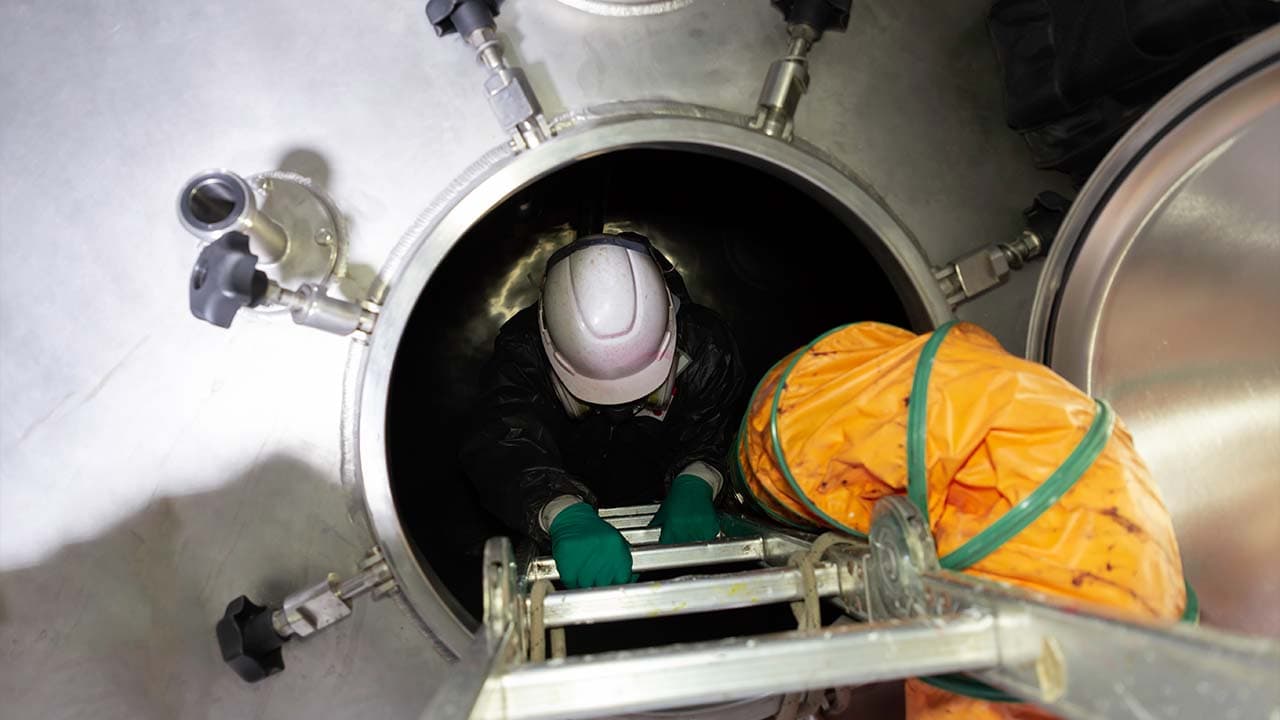
A confined space is an enclosed or partly enclosed area that people aren't designed to work in for long periods, and that can harm them through its air, its contents or its layout. Before anyone enters one, the business doing the work must identify and control those risks. In practice that means a written risk assessment, a trained entry team and a permit that records the controls for that entry. Tanks, silos, pits, sewers and ducts are typical examples.
This guide covers how to tell whether a space is confined, the main hazards, who holds which duties, and the controls that keep entrants safe.
What is a confined space?
Size alone doesn't make a space confined. Most confined spaces share three features:
- They aren't built for people to occupy continuously.
- Access and exit are limited, such as a narrow hatch, a manhole or a ladder down a shaft.
- There is a risk of harm from the air inside, from material or liquid that can trap or bury someone, or from the layout, which makes rescue hard.
A tank that has been cleaned and vented can still be confined, because the risk comes from the space itself. An office, store room or workshop with good ventilation, lighting and clear exits is not a confined space.
Common examples include storage tanks and vessels, silos and hoppers, sewers, stormwater pits and vaults, shafts and underground tunnels, and roof spaces or ducts that are entered for maintenance. Trenches can count too, if gases or contaminants can build up in them, so check each one.
Main hazards
Most serious confined space incidents come from a short list of hazards. Plan for each one before entry.
| Hazard | What it does | Typical control |
|---|---|---|
| Oxygen deficiency or enrichment | Dizziness and collapse within minutes. Too much oxygen raises fire risk. | Test the air at several levels before and during entry. Ventilate continuously. |
| Toxic or flammable gas, vapour or dust | Poisoning, fire or explosion. Some gases can't be smelled. | Gas test, purge and ventilate. Isolate any process that feeds the space. |
| Engulfment | Grain, sand, liquid or sludge can trap and bury someone quickly. | Isolate inflows and lock them out. Remove material before entry. Keep entrants tied off. |
| Fall from height | Ladders and access points are often steep, narrow or slippery. | Fixed ladders or platforms, a fall-arrest harness and a rescue line. |
| Heat or cold | Heat stress inside tanks or ducts, or cold in shafts and cold stores. | Plan breaks and water. Monitor entrants and rotate them out. |
| Stored energy | Pressure, moving parts or electricity can start while someone is inside. | Isolate, lock out and tag out every energy source, then test that it is isolated. |
Duties under the WHS laws
Under the model Work Health and Safety Act 2011, each party has a duty:
- The PCBU (the person conducting the business or undertaking, usually the employer or the business doing the work) has the primary duty of care under section 19. That covers the work environment and the work itself, so far as is reasonably practicable. A PCBU can't contract out of this duty, even when it hires a specialist.
- Designers, manufacturers, suppliers and installers must make sure a space can be entered and worked in as safely as possible, and must give information about its hazards.
- Officers (directors and senior managers) must exercise due diligence. That includes making sure the PCBU manages confined space risks and that workers are trained and supervised.
- Workers must follow safe work procedures, use the equipment provided and report unsafe conditions. Under section 28, they must take reasonable care of their own health and safety and avoid adversely affecting others.
Victoria works under its own Occupational Health and Safety Act 2004 and Occupational Health and Safety Regulations 2017. The duties are similar, but the rules differ, so check the version that applies to your site. Your WHS regulator will tell you which laws apply.
Codes and guidance
The Model Code of Practice: Confined spaces from Safe Work Australia is the national guide, and you can read it on our legislation page. Victoria has its own compliance code for confined spaces, published by WorkSafe Victoria. A code of practice is practical guidance, not the law itself. But if you depart from it, you need to show you achieved the same or a better standard another way.
Confined space entry permits
A permit is the written plan for one entry. Complete it before every entry, and name the people involved. A typical permit covers:
- The space and the job. Which space, where it is, and what work will be done inside.
- The hazards. Oxygen, gases, engulfment, stored energy and the rest of the list above.
- The controls. Isolation, purging, ventilation, testing, PPE and the equipment used.
- Gas test results. The readings, the time, and the name of the person who took them.
- The roles. The entrant, the attendant outside, the entry supervisor and the person who issues the permit.
- Communication. How the entrant and attendant talk, and the signals they use.
- Emergency and rescue. Who responds, how they get in, and how long it would take.
- Sign-off and close-out. When the permit expires, and when the space is handed back.
A permit copied from the last job without checking the space is not a real permit. Each entry needs its own check. Start with our confined space entry permit, and use the permit to work guide to fit it into a wider permit system.
Controls that work in practice
The most reliable control is to remove the hazard, not to rely on people being careful. Work down the hierarchy of controls:
- Eliminate the entry. Can the job be done from outside? Can the material be removed first? Can the tank be cleaned by a remote system?
- Substitute. Use a less hazardous solvent or a non-flammable cleaner.
- Engineer the risk out. Fixed ventilation, gas monitoring, lighting, permanent access platforms and mechanical isolation.
- Use administrative controls. The permit, a written procedure, supervision, rotation of entrants and scheduled breaks.
- Use PPE and rescue equipment. Respiratory protection, harnesses, lifelines and a tripod or winch for retrieval. PPE is the last line of defence.
Checklist before entry
- [ ] The space is listed, and its hazards are recorded.
- [ ] A competent person has done a written risk assessment.
- [ ] Every energy source is isolated, locked out and tagged, and the isolation has been tested.
- [ ] The air has been tested at the right levels, and the results are on the permit.
- [ ] Ventilation or purging is running, and someone has checked it.
- [ ] Entrants are trained for this space and this task.
- [ ] An attendant is outside, in contact with the entrant, and not doing other work.
- [ ] Rescue equipment is on site, and the team knows the rescue plan.
- [ ] Everyone knows what to do if the gas alarm sounds.
Rescue is part of the plan
Don't let anyone go in to help a colleague without the right equipment and training. A second person who enters without a plan often becomes a second casualty. Your emergency plan should cover:
- who responds, and the number to call for outside help
- how a casualty is brought out, and the route to the exit
- where the rescue equipment is kept, and who can use it
- how often drills are held, and that they include a simulated casualty
- how emergency services will be told about the space and its hazards
Our confined space emergency rescue plan sets out these sections.
Training and supervision
Training should cover the hazards of each space, how to use the gas monitor, the permit and its controls, the rescue plan, and the signs that someone needs to come out. Refresh it regularly, and after any incident or change to the space. Attendants need the same training as entrants, because they are the first to spot trouble.
Common questions
Is every tank a confined space? No. A tank is a confined space if people can enter it and it has a risk of harm from its air, its contents or its design. An open tank that can be fully checked without entry may not need the full confined space system, but it may still have other hazards.
Does every confined space entry need a permit? Most entries should use a written permit, and many regulators expect one. Check your state's rules, because some have specific requirements for entry permits.
Can one person enter a confined space alone? No. An entry should always have an attendant outside who can call for help and start the rescue. Working alone in a confined space is one of the highest-risk situations you can create.
Who is responsible for the permit? The PCBU that controls the work is responsible for making sure the permit is used and followed. In practice the entry supervisor usually completes it, and the person in charge of the site signs it off.
This guide is general information, not legal advice. Check the current law with your WHS regulator.
ਟੈਂਪਲੇਟ ਲਾਇਬ੍ਰੇਰੀ
ਇਸਨੂੰ ਅਮਲ ਵਿੱਚ ਲਿਆਓ, ਤਿਆਰ-ਬਰ-ਤਿਆਰ SWMS ਨਾਲ।
ਆਸਟ੍ਰੇਲੀਆਈ ਟ੍ਰੇਡਾਂ ਲਈ ਲਿਖੇ SWMS ਟੈਂਪਲੇਟ ਵੇਖੋ। ਕਿਸੇ ਦਾ ਵੀ ਮੁਫ਼ਤ ਪ੍ਰੀਵਿਊ ਕਰੋ, ਫਿਰ ਮਿੰਟਾਂ ਵਿੱਚ ਆਪਣੇ ਕੰਮ ਮੁਤਾਬਕ ਢਾਲੋ।
ਇਸ ਕੰਮ ਲਈ ਟੈਂਪਲੇਟ
- ਸੁਰੱਖਿਅਤ ਕੰਮ ਵਿਧੀ ਬਿਆਨ (SWMS)Meth Lab Clean
- ਸੁਰੱਖਿਅਤ ਕੰਮ ਵਿਧੀ ਬਿਆਨ (SWMS)Crime Scene Clean
- ਫ਼ਾਰਮ, ਰਜਿਸਟਰ ਜਾਂ ਚੈੱਕਲਿਸਟConfined Space Entry Permit
- ਪ੍ਰਬੰਧਨ ਯੋਜਨਾConfined Space Emergency Rescue Plan
ਸੰਬੰਧਿਤ ਗਾਈਡਾਂ

ਖ਼ਤਰੇ
Manufacturing safety: practical safe work practices
Practical safe work practices for manufacturing sites, from risk assessment and machine guarding to chemicals, manual handling and emergency planning.

ਖ਼ਤਰੇ
Workplace violence: creating a safe work environment
How to manage workplace violence and aggression under WHS laws, from what counts and who is exposed to the policies, training and response steps that work.
ਖ਼ਤਰੇ
Environmental risks in industrial operations: 10 key areas
The environmental risks most common in industrial operations, from air and water pollution to chemical spills, and how to manage each one on site.