Fire evacuation plan: how to write and run one
How to write a fire evacuation plan that gets people out safely, covering the fire risk assessment, roles, alarms, assembly, drills and reviews.
Hiện bài viết này chỉ có bằng tiếng Anh.
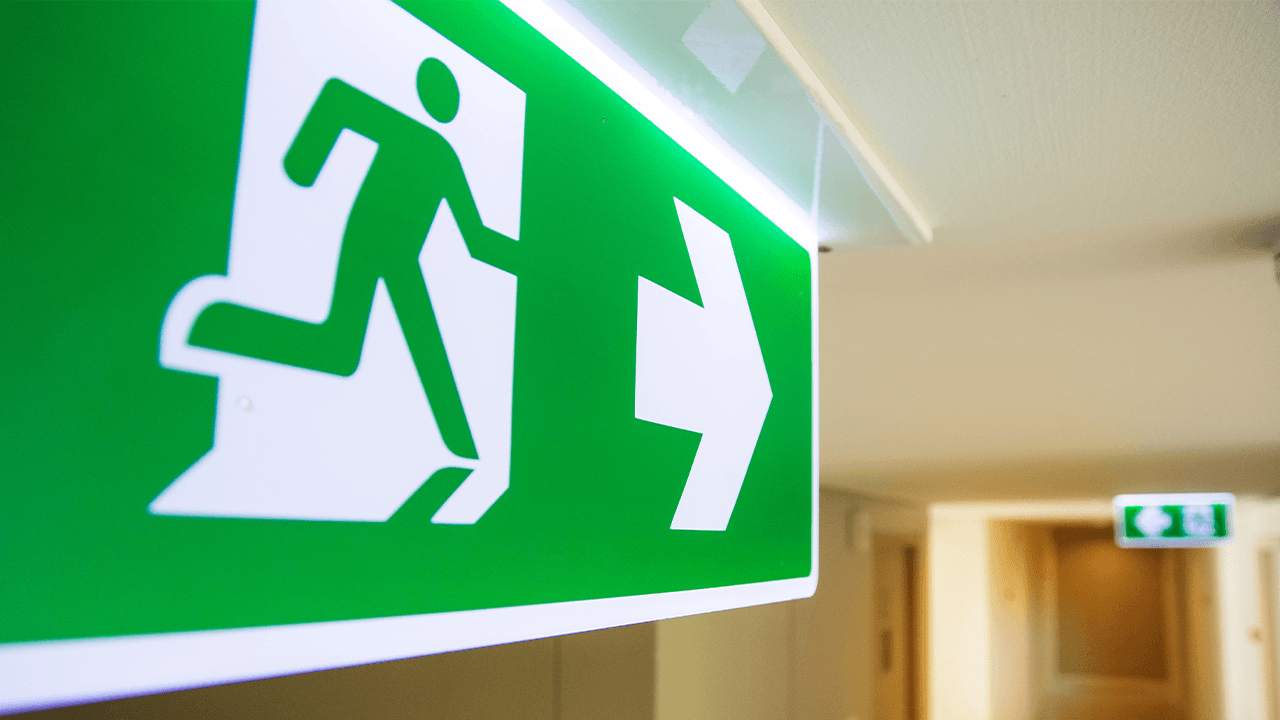
A fire evacuation plan sets out how people get out of a building safely when there is a fire. It says who raises the alarm, which exits to use, where to gather, who checks that everyone is out and when it is safe to go back in. The plan should come from a fire risk assessment of your site, and it should be tested with drills and updated whenever the building or the people in it change.
Every workplace needs an emergency plan under the model Work Health and Safety Regulations, and a fire evacuation plan is usually the core of it. The rest of this guide shows how to build one, how to make it work on the day, and how to keep it current.
What a fire evacuation plan covers
A workable plan answers five questions for everyone on site:
- How do I know there is a fire? The alarm type, and what it sounds like.
- What do I do first? Raise the alarm, call emergency services and move towards the nearest exit.
- Where do I go? The exit routes, including an alternative if the main route is blocked.
- Where do I wait? The assembly point, and who runs the roll call.
- When can I go back? Only after the person in charge or the fire service gives the all-clear.
The plan also needs to say who is responsible for each step. Standards such as AS 3745, the Australian standard for planning for emergencies in facilities, describe an emergency planning committee and the roles it needs. Smaller sites can give the same jobs to a few named people.
Step 1: Do a fire risk assessment
A fire risk assessment tells you what could start a fire, who would be at risk, and what you should do about it. It is the basis for the evacuation plan, so the plan should reflect what you find.
Work through these points:
- Fire hazards. Ignition sources (electrical equipment, hot work, heaters), fuel (flammable liquids, packaging, waste, dust) and oxygen sources (such as air conditioning systems that move air around a fire).
- People at risk. Staff, visitors, contractors and anyone who may need extra help. Include people with disabilities, people who work alone, and people who may be asleep or in a back room.
- Risk level. How likely a fire is to start in each area, and how bad it would be if it did.
- Existing measures. The fire detection, alarms, extinguishers, exits and signs already in place, and whether they are working.
- Gaps. Anything that makes escape harder, such as locked exits, stored materials in corridors or a stairwell with no lighting.
Write the findings down. A fire risk register or your risk management plan is a practical place to record them and track the fixes.
Step 2: Set up the roles
Name people for each job, and make sure they know what it involves:
| Role | What they do | Training they need |
|---|---|---|
| Plan owner | Keeps the plan current, approves changes and reports on drills | Understanding of the plan and risk assessment |
| Fire wardens | Check their area, direct people to exits, sweep rooms and do the roll call | Practical warden training |
| Assembly point lead | Takes the roll call and reports missing people to emergency services | Use of the sign-in and roll call records |
| Health and safety representative | Raises concerns from workers and checks the plan works for them | Their own training under the WHS laws |
| All workers | Know the alarm, the exits and the assembly point, and follow instructions | Induction and drills |
Managers hold ultimate responsibility for the people in the building. Involve them in the plan, and make sure they can release the time and resources needed for training and drills.
Step 3: Write the procedure
Keep the procedure short enough to read in a minute. Use plain language and simple steps. A good procedure covers:
- Alarm. What the alarm sounds like, and what each person does when it sounds. If someone discovers a fire, they raise the alarm first.
- Calling emergency services. Who calls, what they say, and the address and site details the fire service will need.
- Evacuation. The main and alternative exit routes, with a rule for not using lifts. Say what to do if a route is blocked.
- Assisting people who need help. Who checks on people who need help to leave, and how they are reached. Plan this before you need it.
- Assembly. The assembly point, the roll call and what happens if someone is missing.
- Return. Only go back in after the person in charge or the fire service gives the all-clear.
Put the key steps on signs at exits and in each room, and keep a simple floor plan with the routes marked. Check that the signs are visible and meet the standards for emergency signs in the building.
Step 4: Prevent fires
A good evacuation plan is backed by measures that stop fires starting. Focus on the hazards you found in step 1:
- Store flammable materials in a designated safe area, away from heat and ignition sources, with containers clearly labelled.
- Inspect and maintain electrical equipment in line with the manufacturer's instructions. Look for exposed wires, loose connections and worn leads, and have a qualified electrician do the repairs.
- Control hot work. Use a hot work permit for welding, grinding and cutting, with a fire watch and extinguishers on hand.
- Keep the site clean. Remove waste and packaging from exits, corridors and stairwells.
- Ban smoking inside. Smoking is a common cause of workplace fires. Provide a designated smoking area outside, away from the building and anything that can burn.
- Maintain fire protection. Keep a schedule for fire alarms, detectors and sprinklers, and make sure the work follows the relevant standard, such as AS 1851 for routine service of fire protection systems.
Step 5: Train people
Everyone on site needs training on the plan. Fire wardens need more, and they need it in practice, not just on paper. Cover:
- The plan itself. Alarms, exits, the assembly point and the roll call.
- Fire hazards. The fires most likely at your site and how to prevent them.
- Fire extinguishers. Many people who use an extinguisher do it wrongly, so train people with a real extinguisher. Teach them when to fight a small fire and when to leave.
- Fire wardens. Their role in checking areas, directing people and reporting to the person in charge.
- First aid. Basic first aid, including treatment for burns, is useful for anyone on site.
- Raising the alarm. Who to call, what to say and how to reach emergency services.
Keep a record of who has been trained, when and on what. An emergency worker training register makes that easy to show.
Step 6: Run drills and check them
A drill is the only way to find out whether the plan works. Run them at least once a year, and after any change to the building or the people in it. Vary the timing, so some drills happen during shifts, at night and with new starters present.
After each drill, check:
- Time. How long did it take for everyone to leave?
- Communication. Did everyone hear the alarm and understand the instructions?
- Routes. Was there a bottleneck, or a blocked exit?
- Assembly. Did everyone reach the assembly point, and was the roll call accurate?
- Help. Did the people who needed help get it?
- Response. How quickly did the fire service or the building's monitoring respond?
Record the results in an emergency drill report and fix what did not work. A drill that finds nothing wrong is worth a second look.
Step 7: Use technology where it helps
Technology can support the plan, but it does not replace it. Useful tools include:
- Fire detection systems that sound the alarm early and show where the fire is
- Emergency text alerts that reach people who may not hear the alarm, or who are in a different part of the site
- Occupant tracking on large sites, so the roll call can be done quickly
- Floor plans that fire crews can use to find exits, hydrants and the fire panel
Step 8: Review the plan
Review the plan when anything changes that affects escape. That includes renovations, new equipment, new storage, new staff or contractors, and new emergency contacts. Review it at least once a year even if nothing has changed. Under the WHS Regulations, control measures also need to be reviewed when they do not work as intended, which covers an evacuation route that fails in a drill.
Common questions
Do I need a fire evacuation plan? Yes, if you have a workplace. The model WHS Regulations require every workplace to have an emergency plan, and a fire evacuation plan is usually part of it. Check the rules in your state or territory with your regulator, as some buildings have extra requirements.
Who is responsible for the plan? The person conducting the business, usually the owner or the manager, is responsible for making sure it is in place and works. In a larger building, the building owner or manager may share that responsibility, so agree who does what in writing.
How often should we run drills? At least once a year, and more often for high-risk sites. Vary the timing, and include the people who would be on site at unusual times.
What if someone cannot leave without help? Name who will help them, check that the route is accessible, and agree on how they will be reached if the alarm sounds when they are alone. Revisit the plan with that person, with their consent.
Read next
- Business continuity plan for workplace safety: how to build one
- Creating an inclusive WHS plan for employees with disabilities
How SafetyDocs helps
SafetyDocs has an emergency response plan and a fire emergency response procedure written by safety experts, so you can start from a plan that already has the right sections. Job, client and site details fill themselves in. Workers sign free on any phone from a text, link or QR code, with no app or account, and a site tablet in kiosk mode serves workers without a phone. When the plan changes, everyone who signed the old version is asked to sign the new one.
This is general information, not legal advice. Check the current law and fire safety rules that apply to your building with your WHS regulator and your local fire authority.
Thư viện mẫu
Áp dụng ngay với một SWMS soạn sẵn.
Xem các mẫu SWMS viết cho các ngành nghề ở Úc. Xem trước miễn phí bất kỳ mẫu nào, rồi điều chỉnh cho công việc của bạn trong vài phút.
Mẫu cho công việc này
- Bản mô tả phương pháp làm việc an toàn (SWMS)Earthmoving Equipment
- Bản mô tả phương pháp làm việc an toàn (SWMS)EWP, Boom, Cherry Picker and Scissor Lift
- Bản mô tả phương pháp làm việc an toàn (SWMS)Powered Non-powered Tools
- Bản mô tả phương pháp làm việc an toàn (SWMS)Painting and Decorating
Hướng dẫn liên quan

Quản lý an toàn
Business continuity plan for workplace safety: how to build one
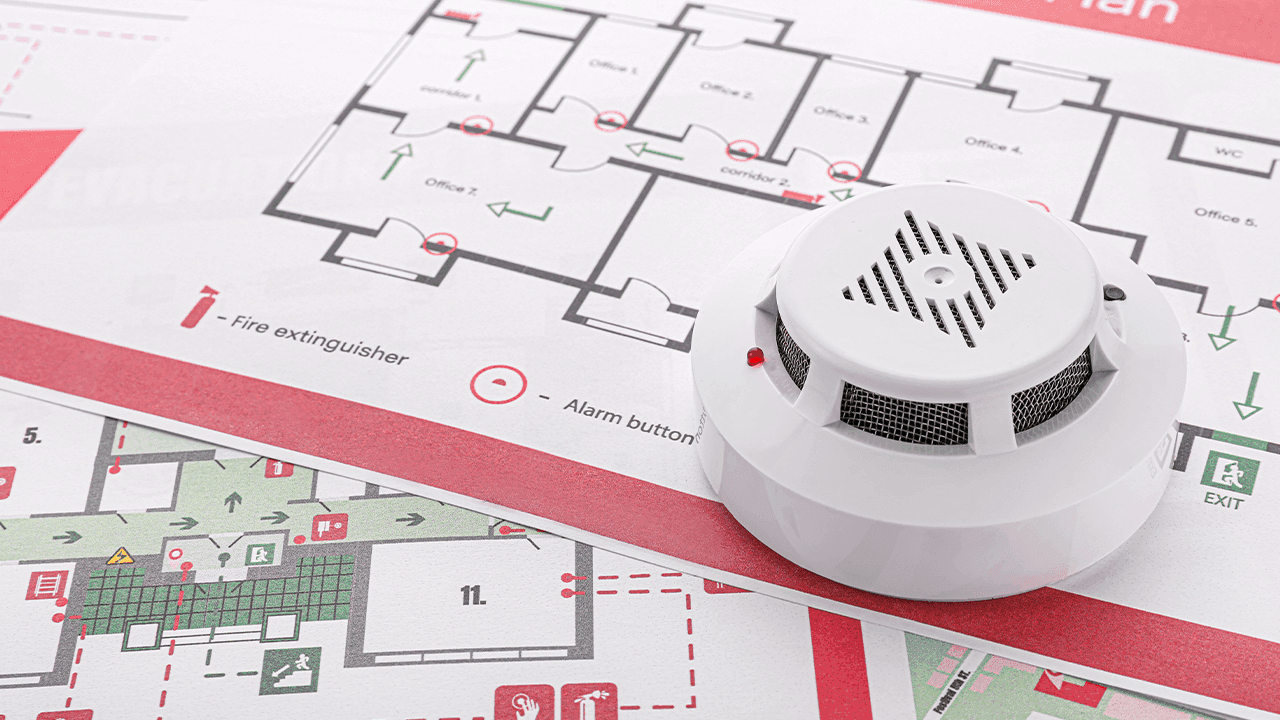
How to build a business continuity plan that keeps workers safe in an emergency: risks, critical functions, response, communication, recovery and drills.
Quản lý an toàn
Emergency response plan: how to implement one at work
How to implement an emergency response plan: assess your risks, assign roles, write the procedures, train your people and test the plan with drills.
Quản lý an toàn
How we build SafetyDocs, and how we look after you
How we design SafetyDocs: simple, seamless tools for the whole crew, built with the people who use them. Tell us what you'd like next.