Safe operating procedure vs standard operating procedure
Safe operating procedure vs standard operating procedure: what each means, when you need which, how they differ from SWMS and JSAs, and what a good SOP holds.
Hiện bài viết này chỉ có bằng tiếng Anh.
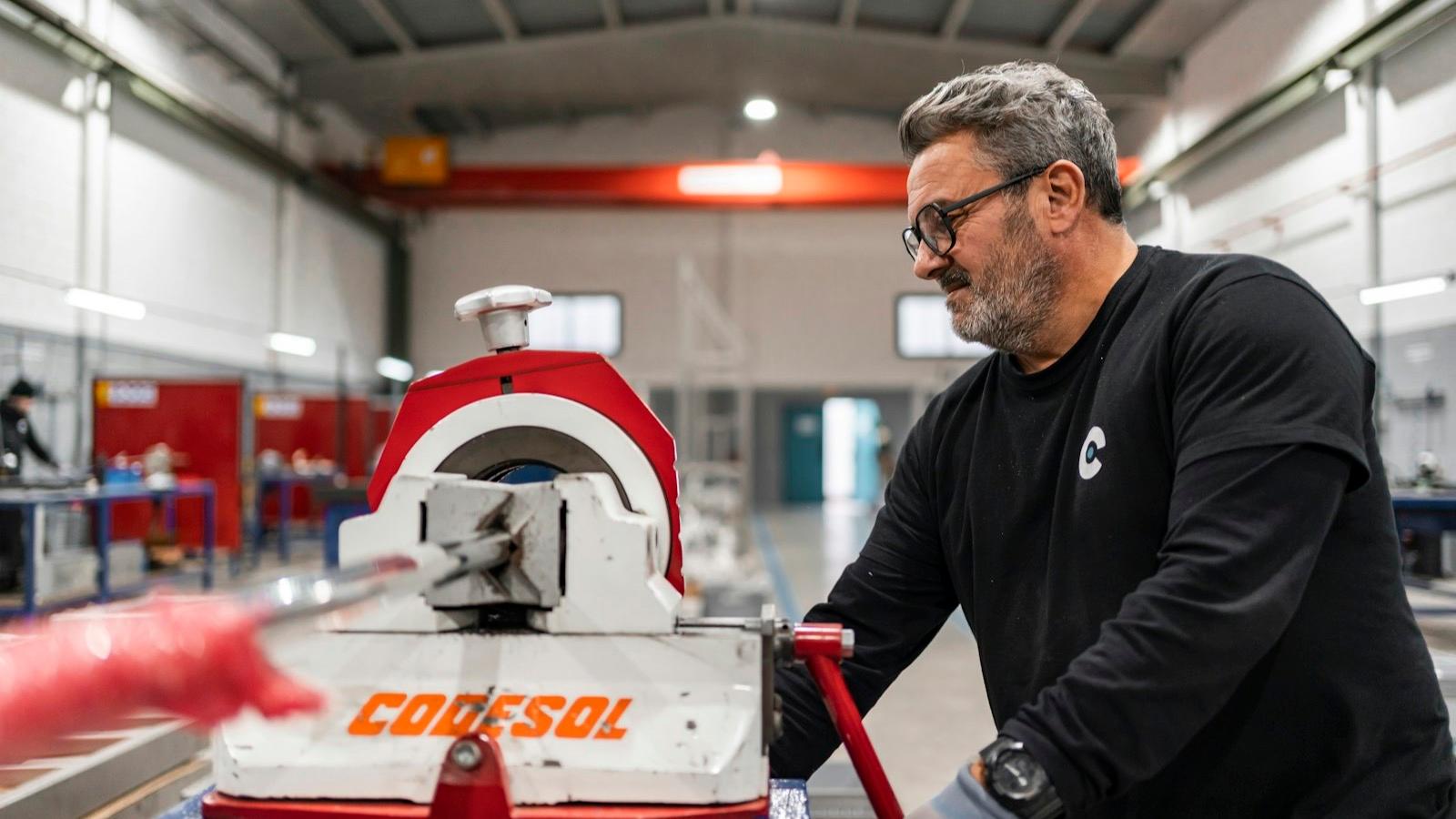
A safe operating procedure (SOP) is a written, step-by-step method for doing a task or running a piece of plant safely. A standard operating procedure is a written method for doing a routine process the same way every time, with the focus on consistency and quality. Both are called SOPs, and in many workplaces one document does both jobs.
If you're deciding which one you need, start with the risk. If the main purpose is to stop people getting hurt, you need a safe operating procedure. If the main purpose is to keep a process consistent, you need a standard operating procedure. Most good SOPs do both.
What is a safe operating procedure?
A safe operating procedure sets out how to do a task, or use a machine, safely. It lists the steps in order, the hazards at each step, the controls to use, the PPE and the checks before and after. It's used for tasks like operating a forklift, using a bench saw, or working in a chemical store.
Typical examples include:
- operating a particular plant or machine;
- handling a hazardous substance;
- isolating equipment before maintenance;
- working around conveyor belts or moving parts; and
- routine tasks with a known injury history.
You'll find real examples in the SOP library, such as a manual handling SOP and an LPG forklift SOP.
What is a standard operating procedure?
A standard operating procedure describes how a routine process is done, the same way every time. It's common in quality systems, food handling, administration and anywhere consistent output matters as much as safety. It might cover how to process a claim, clean a kitchen, close a monthly stock count or prepare a quote.
A standard operating procedure is usually focused on the process itself: who does what, which system they use, what the output must look like and how it's checked. Safety may be part of it, but it isn't the only reason it exists.
Safe operating procedure vs standard operating procedure
The difference is the reason the procedure exists. The table below sets out the common differences.
| Safe operating procedure | Standard operating procedure | |
|---|---|---|
| Main purpose | Prevent injury and illness when doing a task | Make a routine process consistent and correct |
| Typical subjects | Plant, tools, chemicals, lifting, electrical work, confined spaces | Admin, quality checks, cleaning, stock, customer processes |
| Hazards and controls | Core content, step by step | Included where the process has a safety risk |
| Who usually reads it | Workers doing the task and their supervisors | Anyone who runs the process, plus auditors |
| Reviewed when | The task, plant or risk changes, or after an incident | The process changes or a quality audit finds a gap |
In practice, a procedure for using a pallet jack is a safe operating procedure. A procedure for receiving stock into the warehouse system is a standard operating procedure. A procedure for receiving and putting away chemical stock, which must include storage and spill steps, is both.
How SOPs fit with SWMS and JSAs
SOPs, SWMS and JSAs are often confused, and they do different jobs.
| SOP | SWMS | JSA | |
|---|---|---|---|
| What it covers | A routine task, plant or process | One high-risk construction activity | One specific task, often done once or infrequently |
| Legal requirement | Not required by a specific provision, but the WHS duty to provide safe systems of work applies | Required before high-risk construction work starts (regulation 299) | Not required; a useful tool |
| Written for | Anyone repeating the task | The crew on the job | The person doing the task |
| Lifespan | Long-term, reviewed on change | For the duration of the job, reviewed on change | Short-term, often for one job |
A common setup is an SOP for the routine task, such as operating a plant, and a SWMS or JSA for the one-off job that uses it. The SOP tells the operator how to run the machine, and the SWMS tells the crew how the job will be done safely on this site. For the difference between a SWMS and a JSA, see SWMS vs JSA. For what the SWMS acronym stands for and when one is required, see what does SWMS stand for.
What a good SOP contains
A safe operating procedure that people will use has the following:
- Title, scope and purpose. What the task is, what it covers, and what it doesn't.
- Who it applies to. The roles that must follow it, and any training or licence needed.
- Equipment and PPE. What to use, and checks needed before use.
- Hazards at each step. Name the hazard, not just the step.
- Steps in order. Short, numbered steps in plain English, with a photo or diagram where it helps.
- Controls. Which controls apply at each step, from elimination and engineering through to PPE.
- What to do when things go wrong. Stop points, emergency steps and how to report.
- Review and version control. The date, the version, who approved it and when it's due for review.
A procedure that starts "be careful" and lists PPE as the only control won't stop an injury. Each step should say what to do, and each control should be something a supervisor can check.
Build an SOP register
An SOP register is a list of every procedure in your business, with its owner, version, review date and where it lives. Without one, workers end up using last year's copy, or no one can find the procedure after an incident. The SOP register template gives you a starting point.
Keep the register short and current. Review the SOPs for high-risk tasks first, and retire any procedure that no longer applies rather than leaving it on the shelf.
For general guidance on what to include in a procedure, see SOP templates: a guide to safe operating procedures. If you need a blank starting point, the SOP template is a good place to start.
Common questions
Is a safe operating procedure a legal requirement? The WHS laws don't use the term "safe operating procedure" in a specific provision. What they require is a safe system of work and the information, training and supervision that workers need to do their job safely. An SOP is one common way to meet that duty.
Do I need both an SOP and a SWMS? Not always. A SWMS is required for high-risk construction work. An SOP is useful for routine tasks across any industry. Many construction businesses have both, with the SOP covering routine plant and the SWMS covering the job.
How often should I review an SOP? Review it when the task, plant or chemical changes, after an incident or near miss, and at a regular interval set in your management system.
Who signs off an SOP? Someone with authority over the process, usually a supervisor or manager, with input from the workers who do the task.
This is general information, not legal advice. Check the current law with your WHS regulator.
Thư viện mẫu
Áp dụng ngay với một SWMS soạn sẵn.
Xem các mẫu SWMS viết cho các ngành nghề ở Úc. Xem trước miễn phí bất kỳ mẫu nào, rồi điều chỉnh cho công việc của bạn trong vài phút.
Mẫu cho công việc này
- Quy trình vận hành chuẩn (SOP)Manual Handling
- Quy trình vận hành chuẩn (SOP)LPG Forklift
- Biểu mẫu, sổ đăng ký hoặc danh sách kiểm traSOP Template
- Biểu mẫu, sổ đăng ký hoặc danh sách kiểm traStandard Operating Procedure (SOP) Register
Hướng dẫn liên quan
Quản lý an toàn
Policy vs procedure: the difference, with WHS examples
A policy says what you'll do and why; a procedure says how, step by step. See the difference between policy and procedure, with WHS examples of each.

Quản lý an toàn
SOP templates: how to write a safe operating procedure
What a safe operating procedure (SOP) is, what a good SOP template includes, how to keep an SOP register, and an example for a common tool.

Quản lý an toàn
What does OHSE stand for? Meaning, basics and how to start
OHSE stands for occupational health, safety and environment. Learn what it covers, how it compares with WHS and OHS, and how to set up an OHSE system.