What does SWMS stand for? Safe work method statement explained
SWMS stands for safe work method statement. Learn what it is, when the WHS Regulations require one, what it must include and how it differs from a JSA.
هذا المقال متوفر بالإنجليزية حاليًا.
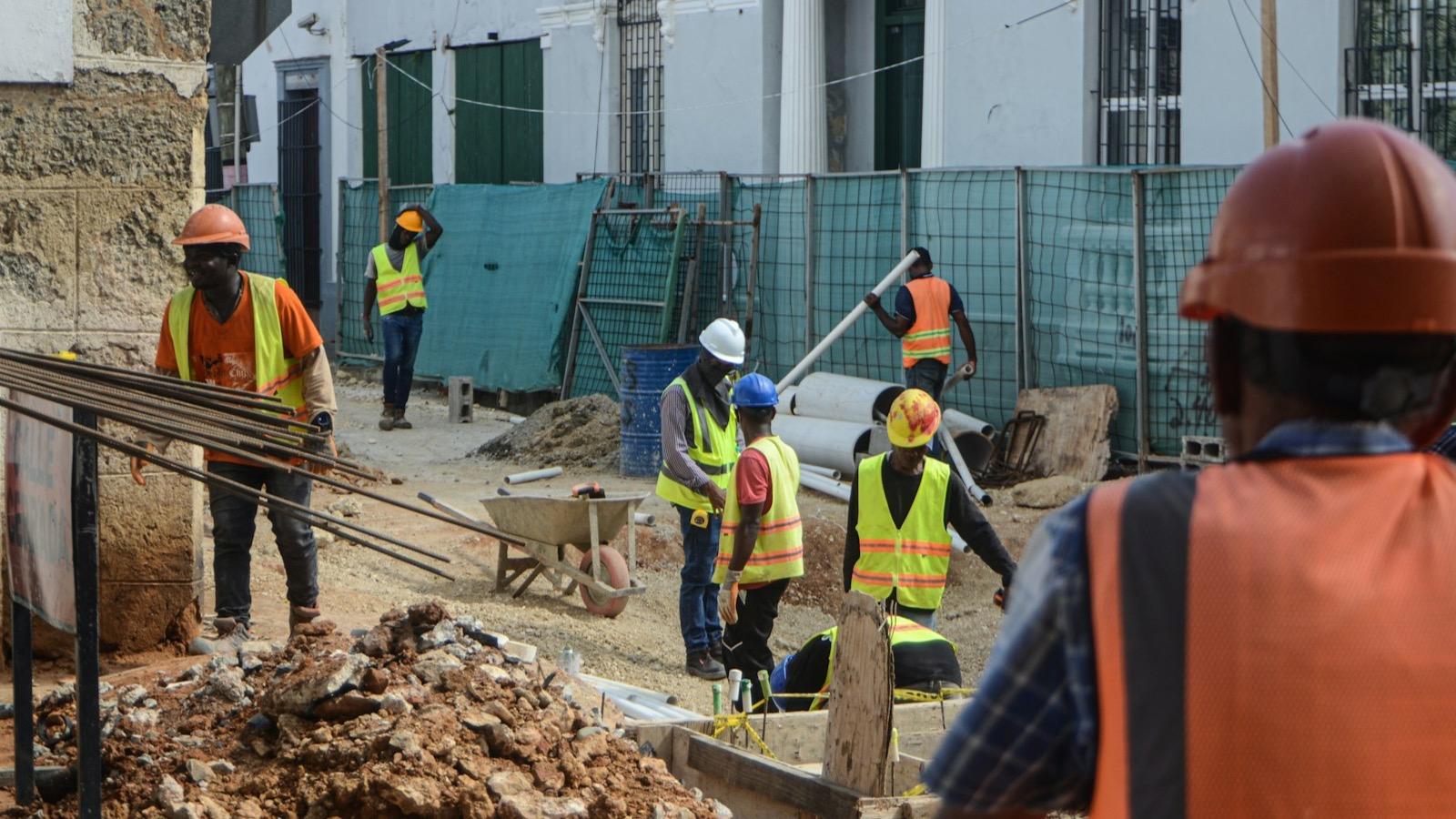
SWMS stands for safe work method statement. It is a written plan for a high-risk construction activity that sets out the hazards, the controls, and how those controls will be carried out and checked. Under the model Work Health and Safety Regulations, you must have one before that work starts.
If you searched "swms meaning", "swms full form" or "what is swms", that's the short answer. The rest of this page explains when a SWMS is required, what goes in it, and how it differs from similar documents you'll see on site.
What is a SWMS?
A safe work method statement is a document that describes how a specific piece of high-risk construction work will be done safely. It is written for the people doing the job, not for the regulator. A good one answers three questions: what is the work, what could hurt someone while doing it, and what are we doing about it?
The term is used across Australian construction, and most builders and principal contractors will ask for one before they let a crew start a risky task.
When is a SWMS required?
A SWMS is required by law for high-risk construction work. The model WHS Regulations define that in regulation 291 as 18 kinds of construction work, including work where a person could fall more than 2 metres, work in or near a trench deeper than 1.5 metres, and work near energised electrical installations.
A construction project costing $250,000 or more is construction work for these purposes (regulation 292). Under regulation 299, the person conducting the business or undertaking (PCBU) must make sure a SWMS is prepared before the high-risk work starts.
Victoria has its own OHS Regulations 2017 with similar requirements. If you're not sure whether your job needs one, use the Do I need a SWMS? checker. For the state-by-state rules, see WHS laws by state.
What must a SWMS contain?
Regulation 299 sets the minimum. The SWMS must:
- Identify the high-risk construction work. Name the activity, such as working at height or excavation, not just the trade.
- Specify the hazards and the risks each hazard creates for health and safety.
- Describe the control measures that will manage each risk.
- Explain how the controls will be implemented, monitored and reviewed. Say who sets up the exclusion zone, who checks it, and when.
It must also reflect the actual site, including the principal contractor's WHS management plan on a construction project, and it must be written so the workers doing the job can read and understand it. Our checklist of what a SWMS must include goes through each item, and lists what principal contractors commonly reject.
Who prepares a SWMS?
The PCBU doing the high-risk work is responsible for it. That is usually the subcontractor doing the task, not the builder, although the builder will want to see it. The SWMS should be written with the crew who will do the work, because they know how the job is actually done. The duties around preparing, signing and keeping a SWMS are covered in who prepares, signs and keeps a SWMS.
SWMS vs JSA, method statement and SOP
People mix these terms up, and the differences matter when someone asks for "the paperwork".
- SWMS (safe work method statement): required by law for high-risk construction work, and must meet the content rules in regulation 299.
- JSA (job safety analysis), also called a JHA: a step-by-step breakdown of a task and its hazards. It's a common tool for lower-risk work, or as the working notes behind a SWMS. It isn't a legal requirement by itself. Our SWMS vs JSA comparison explains the difference in more detail.
- Method statement: a general term for a description of how work will be done. In some contracts it means a SWMS, and in others it's a less formal document. Check what the contract or builder means.
- SOP (standard or safe operating procedure): a set procedure for a routine task or piece of plant, usually kept as a fixed reference. It can support a SWMS but doesn't replace one for high-risk construction work.
When in doubt, ask the principal contractor which document they want and what it must contain.
Who uses a SWMS on site?
Everyone on the job should be able to find it. Under regulation 300, the work must follow the SWMS, and if it doesn't, the work must stop until it's back in line with the document. Workers have a duty to follow reasonable instructions under section 28 of the WHS Act, which they can only do if the SWMS describes the job they're actually doing.
Keep it simple. A SWMS that is 40 pages of copied legislation gets ignored. A SWMS that a crew can read in five minutes, with clear steps and controls, gets used.
Common questions
Is SWMS the same as a JSA? No. A SWMS is a legal requirement for high-risk construction work, with set content rules. A JSA is a step-by-step analysis of a task. You can use a JSA to help write a SWMS, but a JSA on its own doesn't meet regulation 299.
Does a SWMS have to be signed? The model WHS Regulations don't require a signature. Most principal contractors still ask the crew to sign on, as a record that they've read it and been told about the controls.
How long do you keep a SWMS? Keep it until the high-risk construction work is finished. If a notifiable incident happens during that work, keep it for at least 2 years after the incident (regulation 303).
Can one SWMS cover more than one task? Yes, as long as it identifies each item of high-risk construction work and sets out the hazards and controls for each one.
This is general information, not legal advice. Check the current law with your WHS regulator.
مكتبة النماذج
طبّق ذلك عمليًا مع نموذج SWMS جاهز.
تصفّح نماذج SWMS المكتوبة للحِرف في أستراليا. عاين أيًّا منها مجانًا، ثم عدّل واحدًا ليناسب مهمتك في دقائق.
أدلة ذات صلة
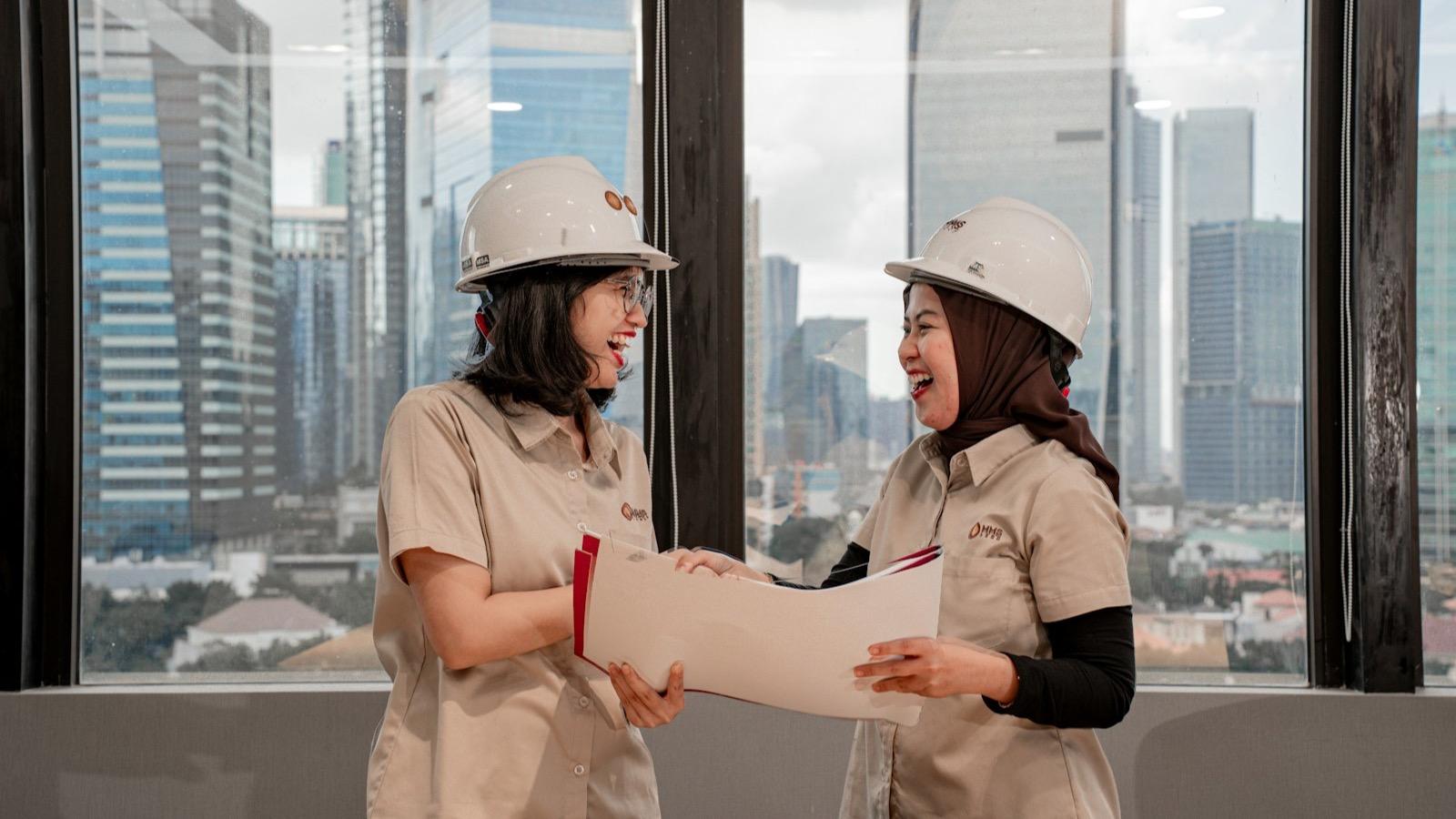
SWMS وJSA
Free 'Do I need a SWMS?' checker for your website
Add our free SWMS checker to your website. Visitors tick the work a job involves and see straight away whether the WHS laws need a SWMS.
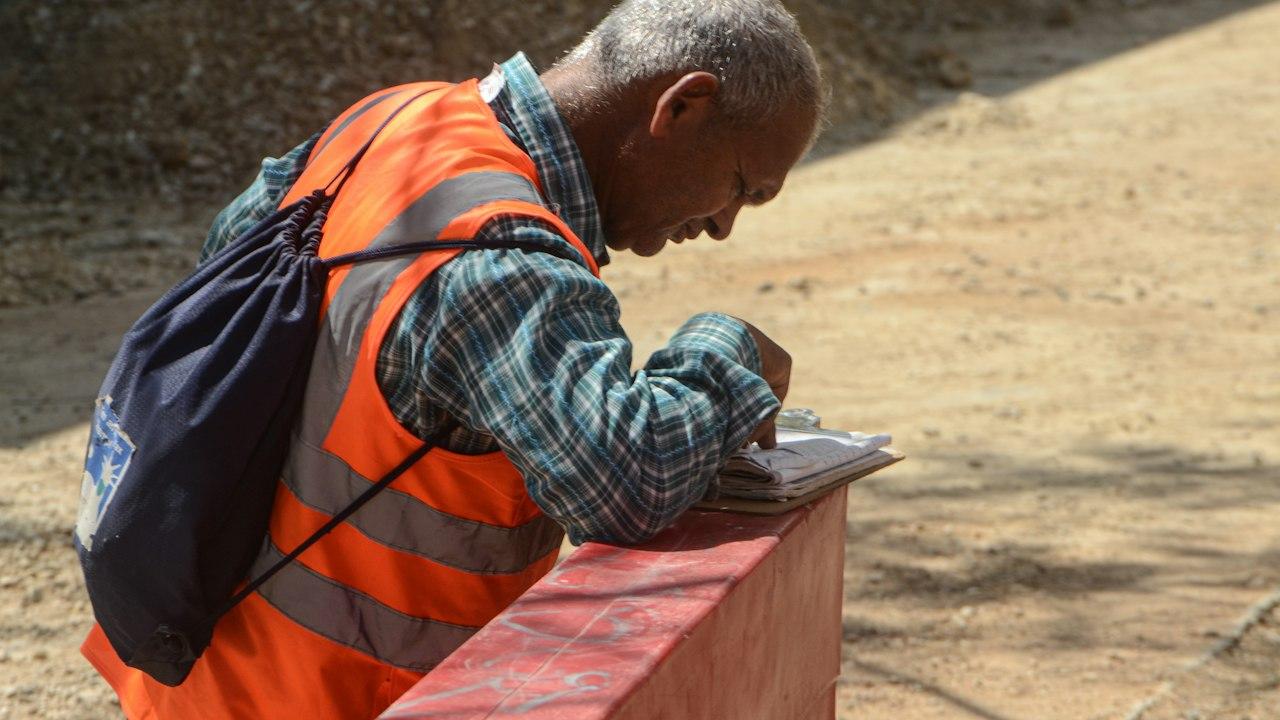
SWMS وJSA
What must a SWMS include? A checklist for builders
What the WHS Regulations require in a SWMS, what's good practice on top, and the common reasons principal contractors send a SWMS back.

SWMS وJSA
SWMS template: what it must include and how to use it
What a SWMS template must include under the WHS Regulations, how to adapt one to the job, and the mistakes that leave a template too generic to use.