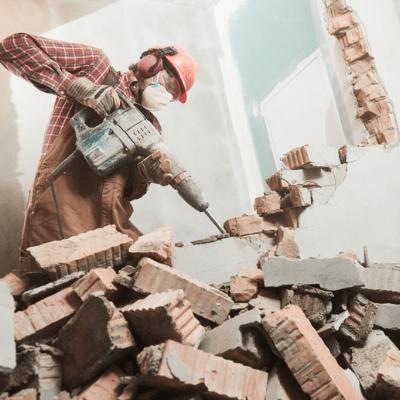
Biological hazards and sharps
Needles, sharps and materials contaminated with blood, body fluids or waste that can cause needlestick injuries and viral or bacterial infection.
هذه الصفحة باللغة الإنجليزية حاليًا.
حديث سلامة مجاني عن biological hazards and sharps
يُعرف أيضًا باسم: Contaminated materials, Needlestick injury, Needlestick injuries, Sharps, Viral or bacterial infection, Infection, Infectious disease, Legionnaires Disease
كيف تتحكم في biological hazards and sharps
- Use sharps containers and tongs or pick-up tools so nobody has to handle needles or sharps by hand.
- Never recap needles or reach blindly into bins, bags, gaps or crevices where sharps may be hidden.
- Provide hand-washing facilities, and clean up blood and body fluid spills using a spill kit and suitable disinfectant.
- Offer vaccination, such as for hepatitis B, to workers at risk of exposure to blood, body fluids or contaminated waste.
- Have a post-exposure procedure: wash the area, report the incident and get prompt medical assessment after any needlestick injury.
- Wear puncture-resistant gloves and protective clothing when handling waste or material that may be contaminated.
إجراءات التحكم المعتادة، من الأكثر فعالية إلى الأقل. بيان SWMS الخاص بك يحدد إجراءات التحكم لمهمتك وموقعك.
النماذج التي تغطي Biological hazards and sharps

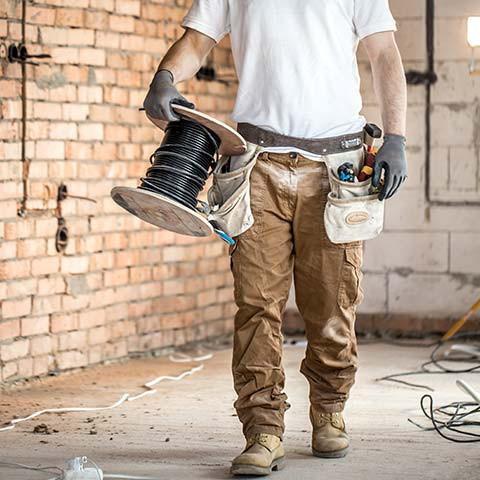
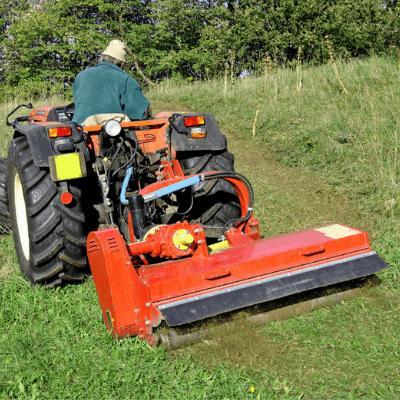
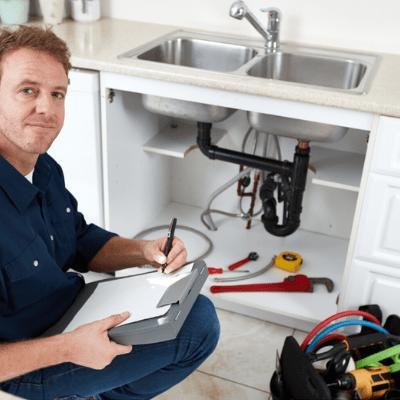
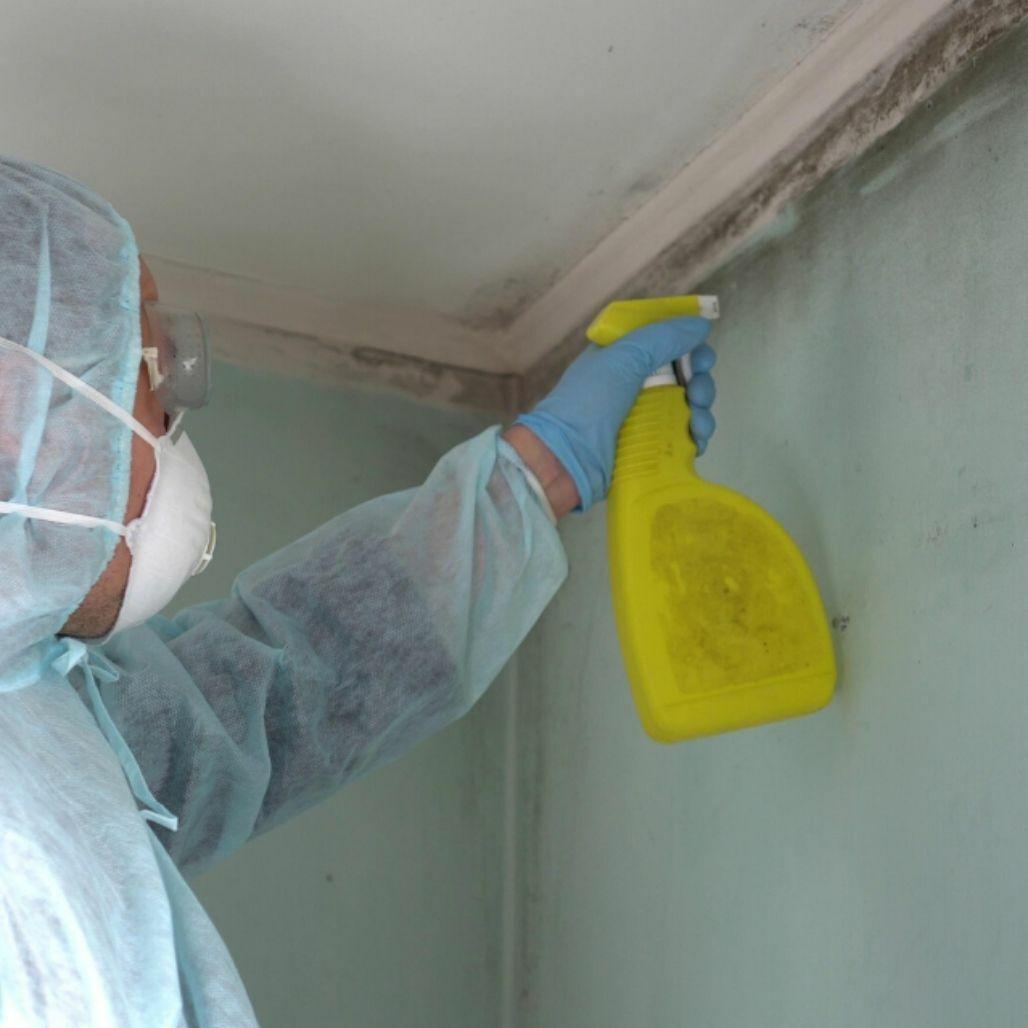


بيانات SWMS حسب المهنة
مخاطر تظهر معه عادةً
التشريعات التي تستشهد بها هذه النماذج
- WHS Act 201183 نموذج
- WHS Regulations 201183 نموذج
- OHS Act 2004 (Vic)73 نموذج
- Code of Practice: Construction work71 نموذج
- Code of Practice: First aid in the workplace71 نموذج
- Code of Practice: How to manage WHS risks71 نموذج
- Code of Practice: Work environment and facilities71 نموذج
- OHS Regulations 2017 (Vic)71 نموذج