Beyond safety compliance: building a real safety culture
What a safety culture looks like on site, why compliance alone falls short, and five leadership steps from SafeWork Australia to build one that lasts.

A safety culture is the set of shared habits that makes people do the safe thing when nobody is checking. Compliance sets the minimum: the controls and documents the law requires. Culture is what gets a worker to report a near miss, stop a job that looks wrong, or raise a concern with the boss. You build it through leadership, open communication and fair follow-up, and a compliance program alone won't produce it.
Why compliance alone falls short
Compliance can be done well, and it still leaves gaps. Three problems come up again and again.
- It's reactive. A compliance-only site acts when something goes wrong or when an inspector arrives. A safety culture looks for hazards before anyone is hurt.
- It aims at the minimum. When the target is just to pass, people do enough to tick the box and stop there. Nobody asks what else could go wrong.
- It misses human factors. A machine can meet the standard on paper and still injure someone who was rushed, untrained or working a double shift. Rules don't fix fatigue or pressure on their own.
A useful test: if a worker saw a risk and said nothing, would anyone know? If the answer is no, you have compliance without culture.
What a safety culture looks like on site
Culture shows up in behaviour you can see. Compare these two sites.
| Area | Compliance only | Safety culture |
|---|---|---|
| Reporting | Hazards are reported after an injury, or not at all | Workers report hazards and near misses as routine, and the reports are answered |
| Leaders | Safety is delegated to a coordinator and seen in the office | Leaders walk the site, ask questions and act on what they hear |
| Mistakes | People are blamed, so mistakes are hidden | Errors are investigated for why they happened, and violations are handled fairly and consistently |
| Stopping work | Workers keep going to meet the deadline | Anyone can stop a job that looks unsafe, and nobody is penalised for it |
| Records | Documents are filed for an audit | Documents are used on the job, and changed when the work changes |
The difference between an error and a violation matters here. An error is an honest slip, such as reaching for the wrong tool. A violation is a deliberate break of a known rule. Treat them differently. Fix the system behind an error, and address a violation with the worker, once you know why it happened.
Five leadership principles
SafeWork Australia sets out five principles for leaders on its leadership and culture page. They're a practical checklist for any manager.
- Commit to safety. Make it a stated priority, and fund it. A safety target that loses to a production target every time isn't a commitment.
- Get involved. Leaders should understand the hazards in their own operation, which means spending time where the work happens.
- Encourage participation. Ask workers how a job should be done, and act on the answer. Their input improves decisions.
- Make WHS part of the business. Put safety into planning, procurement, rostering and performance reviews, not just a separate safety program.
- Review performance. Measure how well the system works, and change it when it doesn't.
Each principle works only if leaders do it in front of the crew. A manager who asks about safety in every pre-start meeting and then approves a rushed schedule has sent a clear message.
Five steps to build the habit
Principles are the start. These steps turn them into daily practice.
- Make reporting easy. Give workers a simple way to raise a hazard, such as a hazard report form on a phone or a tablet at the site office. Answer each report, even to say no, so people keep reporting.
- Consult on change. The WHS Act requires consultation with workers on matters that affect their health and safety. Before a new method, machine or crew starts, ask the people who will do the work.
- Recognise safe behaviour. Thank the worker who stopped a job, or who wore the right gloves when nobody was looking. Recognition costs nothing and makes people more likely to repeat the behaviour.
- Hold toolbox talks that go somewhere. Use them to solve a real problem from last week, not to read a slide. Record who attended, and what was agreed. A toolbox talk record keeps that link.
- Measure the leading signs. Track hazard reports, actions closed on time, inspections completed, and near misses reported. Injury numbers are a lagging measure: they tell you what happened, not what is about to.
An example: a crew reports that a gate to the loading bay is often left open. The supervisor sees the report, puts a self-closing gate in place, and tells the crew the fix at the next talk. The next report on that gate is from a worker who saw it closing properly. That is what a culture looks like in practice.
Keep the evidence
A culture is partly carried by the documents people use every day. Procedures, induction records and incident reviews all show what the business expects and whether it followed up. Keep them current, and make sure the crew can find them. The policies and induction checklist in our library are a starting point for the basics.
Signs of a weak culture
- Near misses are not reported, or are reported only after an injury.
- Leaders hear about hazards from an inspector, not from their crew.
- Workers say a safety rule is "for the paperwork".
- Investigations end with "human error" and no change to the system.
- Pressure to meet the schedule outranks a stop-work call.
If you see two or three of these, start with the reporting step above. It's the cheapest one to fix and the one that shows results first.
Read more
If you want a fuller picture of what leaders should do, read our guide to the leadership traits that build a safety culture. For the business case, see the benefits of safety culture.
Common questions
Is a safety culture the same as having a safety management system? No. A safety management system is the structure: policies, procedures and records. Culture is how people behave inside that structure. You need both, but a system with no culture behind it tends to exist only on paper.
How do I know if my culture is working? Look at behaviour, not only at injury rates. Are hazards and near misses reported? Do workers stop jobs when they should? Do leaders act on what they hear? Those answers tell you more than a clean injury record.
Can a small business build a safety culture? Yes, and it's often easier. A small crew can talk every day, and the owner can see the work first-hand. The steps are the same: make reporting easy, answer it, and be consistent.
Who is responsible for safety culture? The PCBU is responsible for the WHS duties, and leaders set the tone. Every worker has duties too, under section 28 of the WHS Act, to take reasonable care of their own health and safety and that of others, so the whole crew is part of it.
This is general information, not legal advice. Check the current law with your WHS regulator.
Template library
Put it into practice with a ready-made SWMS.
Browse SWMS templates written for Australian trades. Preview any of them free, then tailor one to your job in minutes.
Templates for this work
- Form, register or checklistMeeting and Toolbox Talk Record
- Form, register or checklistInduction Checklist
- Form, register or checklistHazard Report Form
Related guides
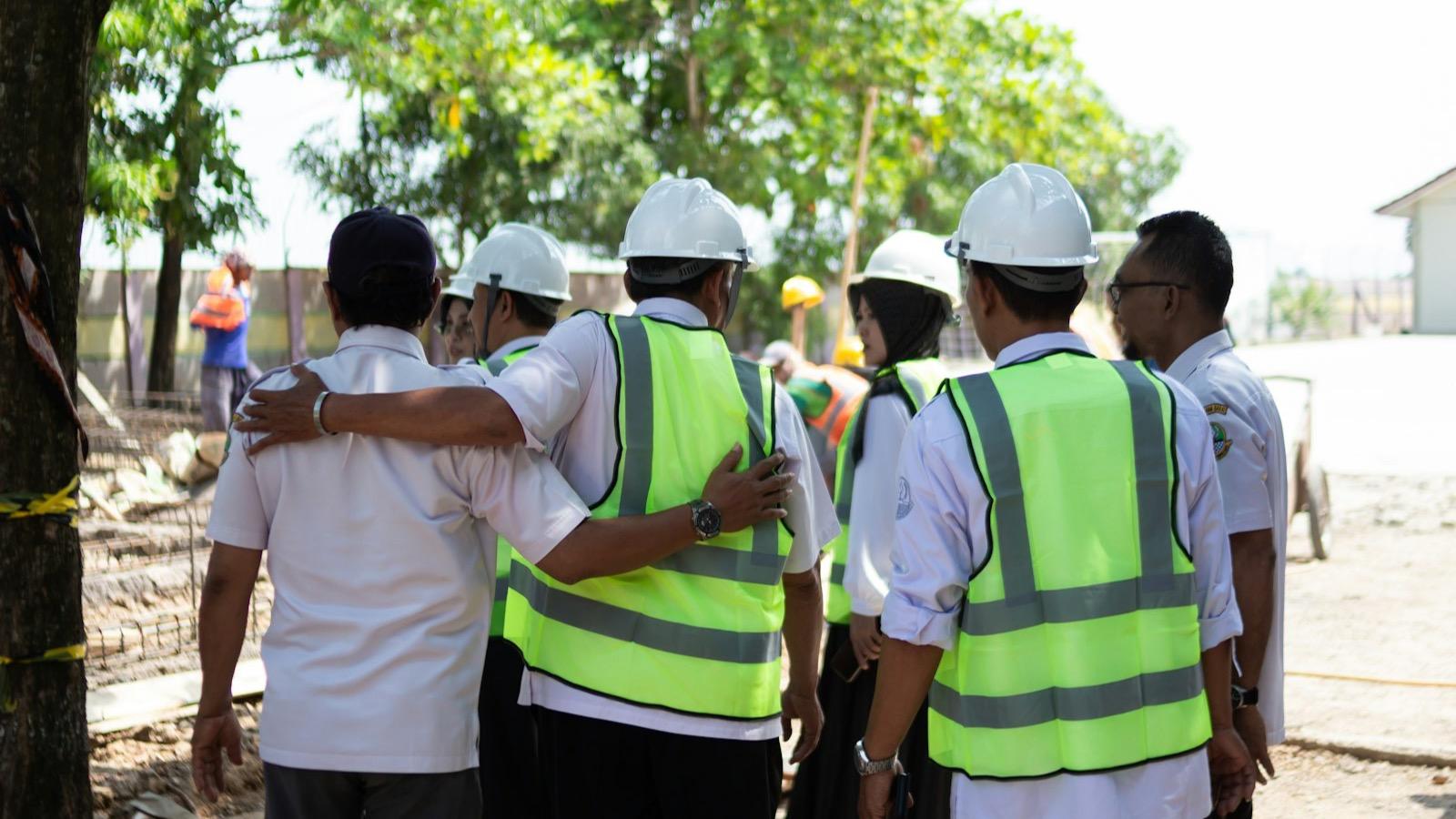
Safety culture
Toolbox talk topics for construction and trades
Over 50 toolbox talk topics for construction and trades, grouped by hazard, with the point to make on site and how to pick this week's topic.
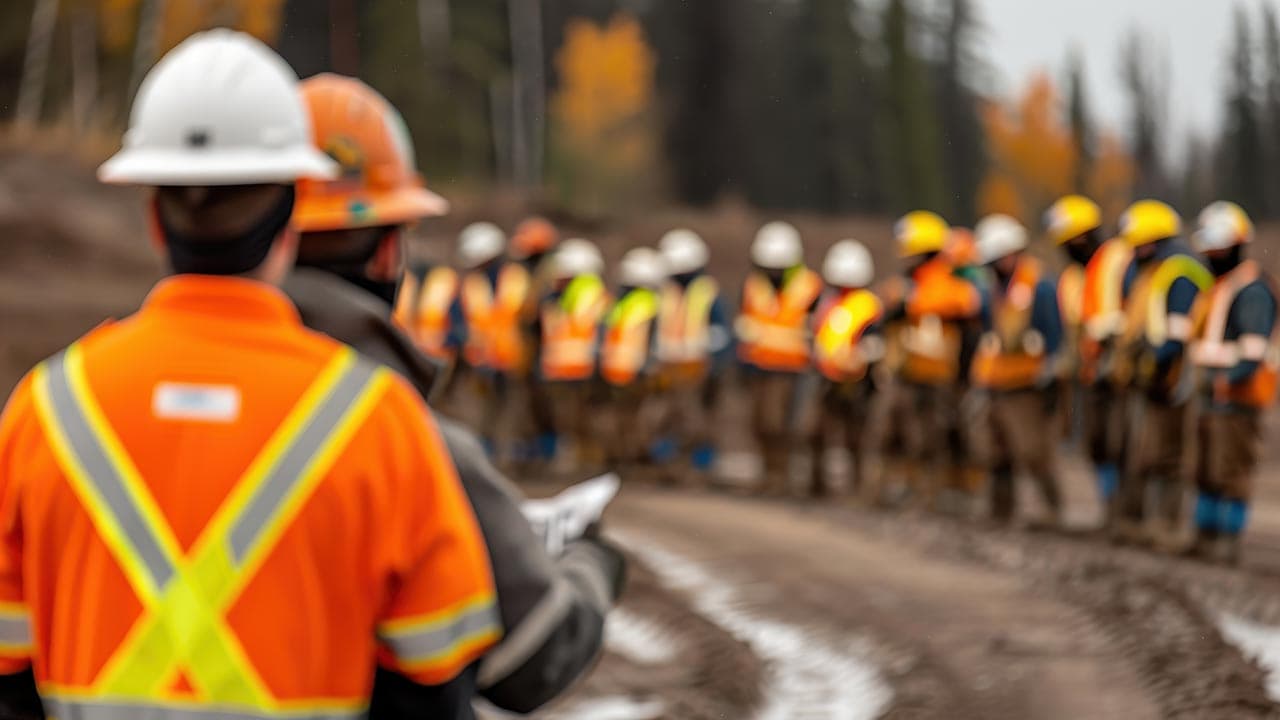
Safety culture
What is a toolbox talk? How to run one that actually works
A toolbox talk is a short safety meeting held on site. Learn what it covers, how to run a 5 to 10 minute talk your crew engages with, and how to record it.
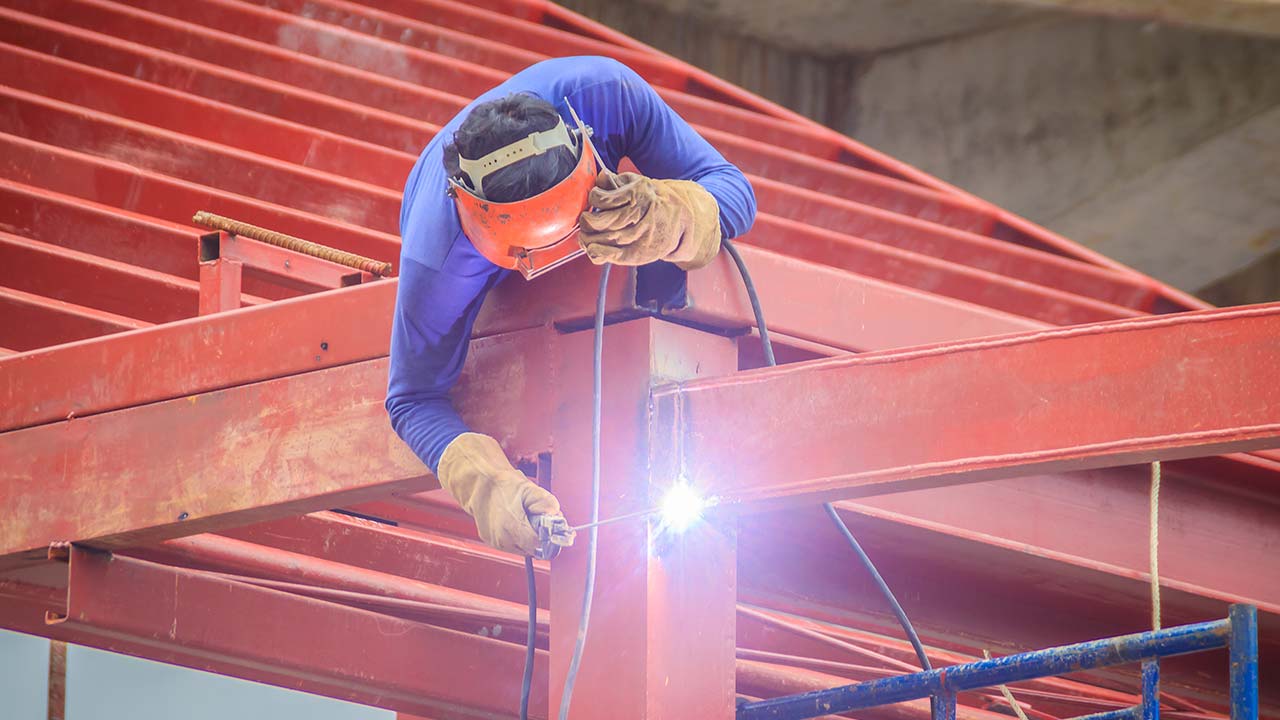
Safety culture
Unsafe work practices: 10 to avoid and how to prevent them
Ten unsafe work practices behind many workplace injuries, from skipped PPE and lockout steps to horseplay and unreported near misses, and how to stop each.