Lead Management Plan
Introduction
Inorganic lead (lead) is a toxic heavy metal. It is found in many different products including paints, glass, solder, plastic and rubber compounds. Exposure to lead can occur in various industries where lead fumes or dust are generated through heating, mechanical grinding or cutting of the metal or any of its by-products. Inorganic lead is found in a variety of products, including solders, batteries, and paint. It was used extensively in lead paints before these products were banned but are still found in some workplaces.
Examples of work that may produce lead dust, fumes or vapour can include:
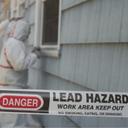
stripping/removing old lead paint;
hot cutting and grinding in demolition, dismantling and other activities;
scrap-processing and recycling activities;
lead-acid battery manufacture, breaking and recycling;
working with metallic lead and alloys containing lead, e.g. Soldering;
lead smelting, refining, alloying and casting;
manufacturing and physically processing lead compounds;
manufacturing leaded glass;
manufacturing and using pigments, colours and ceramic glazes.
Lead is an accumulative poison. The body can excrete lead; however, when more lead is absorbed than the body excretes, the body's amount of lead is increased.
11 more sections
- Review procedure
- References and applicable documents
- Document control
- Working with lead policy
- Responsibilities
- and 6 more
Written in full, ready for your business's details.