SWMS template: a guide to safe work method statements
What a Safe Work Method Statement (SWMS) template is, what it must include, and how using one saves time and keeps your high-risk work compliant.

A Safe Work Method Statement (SWMS) is a crucial document that outlines the safety procedures you must follow during high-risk construction work. Creating one from scratch can take time, and there's always a risk of missing important details. Using SWMS templates simplifies the method, helping workers minimise risk exposure while supporting broader safe work method statement compliance across your business.
Purpose of Safe Work Method Statements
A SWMS outlines high-risk construction work, hazards, and control measures needed to manage risk. It functions as an administrative control supporting higher-order controls to minimise health and safety risks on site.
It differs from other specific documents, such as Job Safety Analysis or Safe Operating Procedures. Rather, it serves as a tool to monitor workplace control measures. A SWMS ensures workers can identify and understand hazards involved, along with appropriate safety risk controls used to prevent injury.
Some of the purposes of a SWMS include:
- Helping carry out high-risk construction work safely and healthily. For example, tasks such as excavations, demolitions and working at heights may involve hazards that every responsible person must address. A SWMS helps supervisors, workers, and other people at the workplace understand established safety requirements, clearly outlining procedures everyone follows when carrying out a task safely.
- Ensuring compliance with relevant safety laws and regulations. By outlining how to reduce risk in a particular work activity, a SWMS helps employers fulfil their legal duties of care for worker safety. Preparing one is required for the 18 types of high-risk construction work outlined by WHS Regulations. Failure to have it in place can result in significant fines and legal action.
- Assisting supervisors and workers in raising awareness of potential risks. It helps workers assess the safety risk of a task before starting, minimising potential accidents, injuries or illnesses.
- Confirming and monitoring control measures required at the workplace. By including details about safety measures in place, a SWMS helps ensure everyone follows the same procedures.
What is a Safe Work Method Statement Template?
Since a SWMS is a crucial document for any high-risk workplace environment, using a template can be a great way to save time. A SWMS template is a customisable document outlining the safety procedures for a particular task or activity. It includes details such as relevant hazards and risk assessments, safety policies, control measures, roles and responsibilities of workers, and other relevant information.
Benefits of Using a Safe Work Method Statement Template
Time-saver
Imagine writing each separate SWMS section from scratch. The process can take significant time if multiple tasks or activities are involved. A template simplifies this method and helps get things done quickly, since most sections are already pre-filled.
Consistency
Using the same template for all tasks helps ensure every SWMS shares the same structure and look. This makes comparing documents and identifying discrepancies far easier. When templates remain consistent, tracking and spotting areas of improvement becomes simpler. It's also a great way of ensuring everyone stays on the same page.
Manageability
A template lets you focus on content rather than worrying about format. Using a template ensures all relevant information sits in the proper order. Tracking safety by keeping a template you can update regularly proves far more manageable.
Cost-efficient
Using a safe work method statement template can help save costs, since you won't need to hire a consultant or document preparer. It also helps avoid duplication of effort and keeps tracking expenses low.
Key Elements of SWMS Templates
Templates should be simple, concise, and easy to understand by everyone in the workplace. Incorporating vital elements will help ensure the document effectively identifies and mitigates workplace risks. A SWMS must include the following:
1. List of high-risk construction work
This is a list of high-risk construction work activities in your workplace requiring a SWMS, such as demolition, excavations, and working with power tools or scaffolding. This includes the workplace location relevant to high-risk activities.
2. Job or task description
The SWMS should have a description of work, including location, equipment, and materials required. It should also include estimated task duration, total personnel involved, and other relevant information. Every stage of the task should also be included in the document.
3. Identification of hazards
This section lists potential hazards associated with the work, including physical, chemical, and environmental hazards.
4. Workplace-specific risk assessment
The risk assessment includes evaluating likelihood and consequence of identified hazards. This assesses the level of risk associated with each hazard, including probability and consequences of an incident occurring.
5. Control measures
There must be a list of control measures for identified hazards, including personal protective equipment, engineering controls, and administrative controls. This section must describe steps taken to reduce the risk of an incident occurring.
6. Names and signatures
Include names and signatures of workers, the principal contractor, health and safety representatives, and persons conducting a business undertaking (PCBU) in accordance with the SWMS. This ensures all parties have read and understood the document before work commences. The SWMS must show who participated in developing and implementing it.
Best Practices in Developing Your SWMS
1. Consult with health and safety representatives and workers
Ask them about their experiences and feedback regarding hazards relating to work that will commence. Workers interact directly with equipment and machines, so they understand potential hazards better than most. Consult affected employees to help identify risks and develop a safety plan that's feasible and practical to implement. Doing this helps identify potential risks that can be avoided or reduced by implementing specific controls, such as using protective equipment or providing adequate training.
2. Train workers on the SWMS
Ensuring everyone understands and can follow the contents of a SWMS is essential. Ensure your workers receive safety training so tasks get completed according to the SWMS safely, allowing them to identify and address any risks arising during the job.
3. Review the SWMS
Once complete, reviewing the SWMS with safety representatives and everyone involved matters greatly. Ensure all workers know what's expected of them, that the document stays up-to-date, and that all hazards are addressed. After the review process, sign off on the SWMS and store it in a safe place.
4. Revise the SWMS as needed
As work on a construction project progresses, review the contents of the SWMS periodically to ensure identified risks remain properly managed. Update and sign off on the SWMS any time work changes in ways that may increase risk.
Please note that the above information is provided as a comment only and should not be relied on as professional, legal or financial advice.
Template library
Put it into practice with a JHA that fits the job.
Our template library is on its way to Canada. Until then, write your own JHAs in SafetyDocs, share them with your crew and get them signed.
Related guides
JSAs and method statements
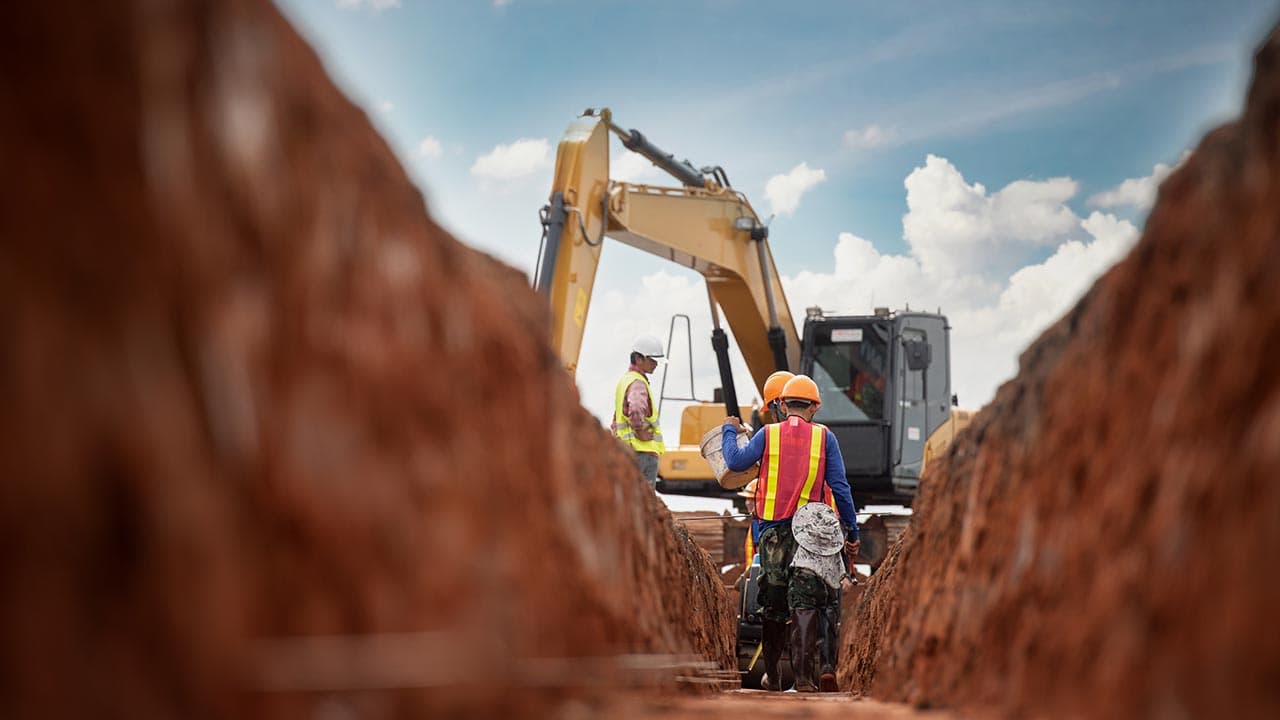
SWMS examples: 10 templates for high-risk work
See 10 SWMS examples for high-risk construction work, from earthmoving to asbestos, and learn what every Safe Work Method Statement must include.
JSAs and method statements
Been sent a SWMS to sign? Here's what to do
A builder sent you a SWMS through SafetyDocs. What the link is, what to check before you sign, and why it's free, with no app to install.
JSAs and method statements
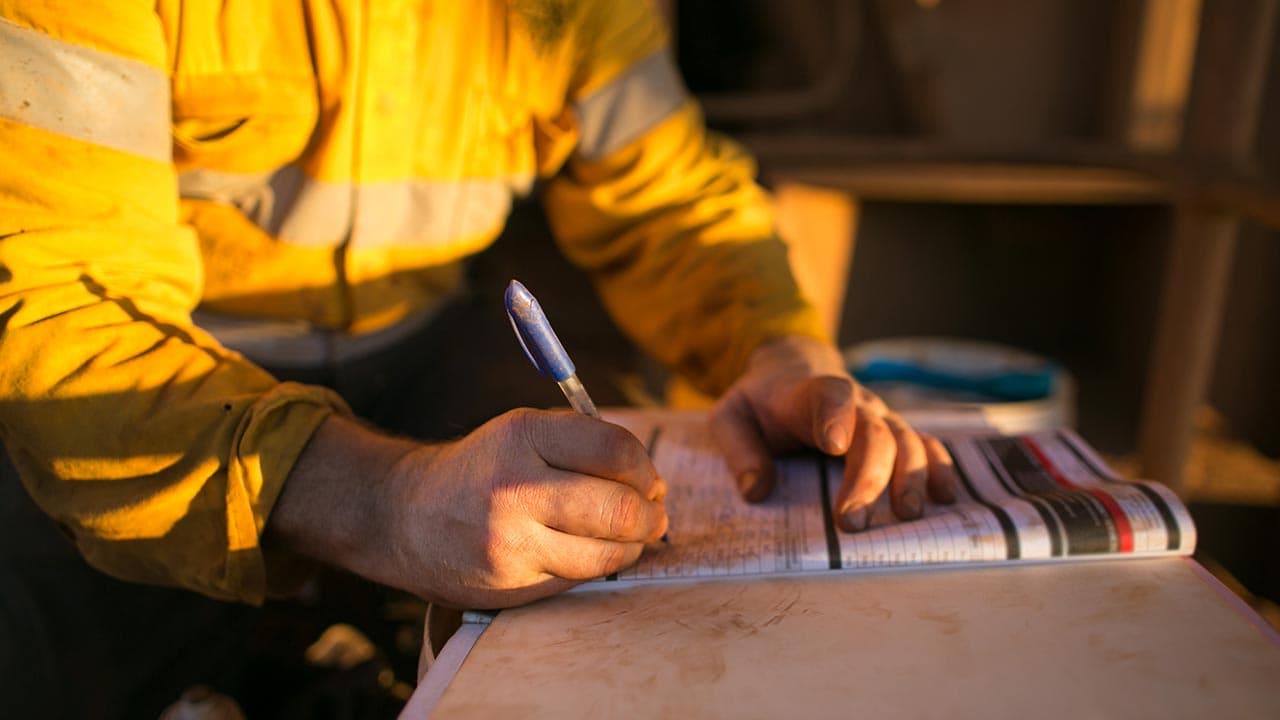
SWMS vs JSA: what's the difference?
Understand the key differences between a SWMS and JSA. Learn when to use each to improve safety and ensure compliance at work.