AI-generated SWMS: who's liable and what goes wrong
Using AI to write a SWMS doesn't move your WHS duties. Who's liable, who keeps an AI-generated SWMS up to date, and the pitfalls to check for.
Por ahora, este artículo está en inglés.
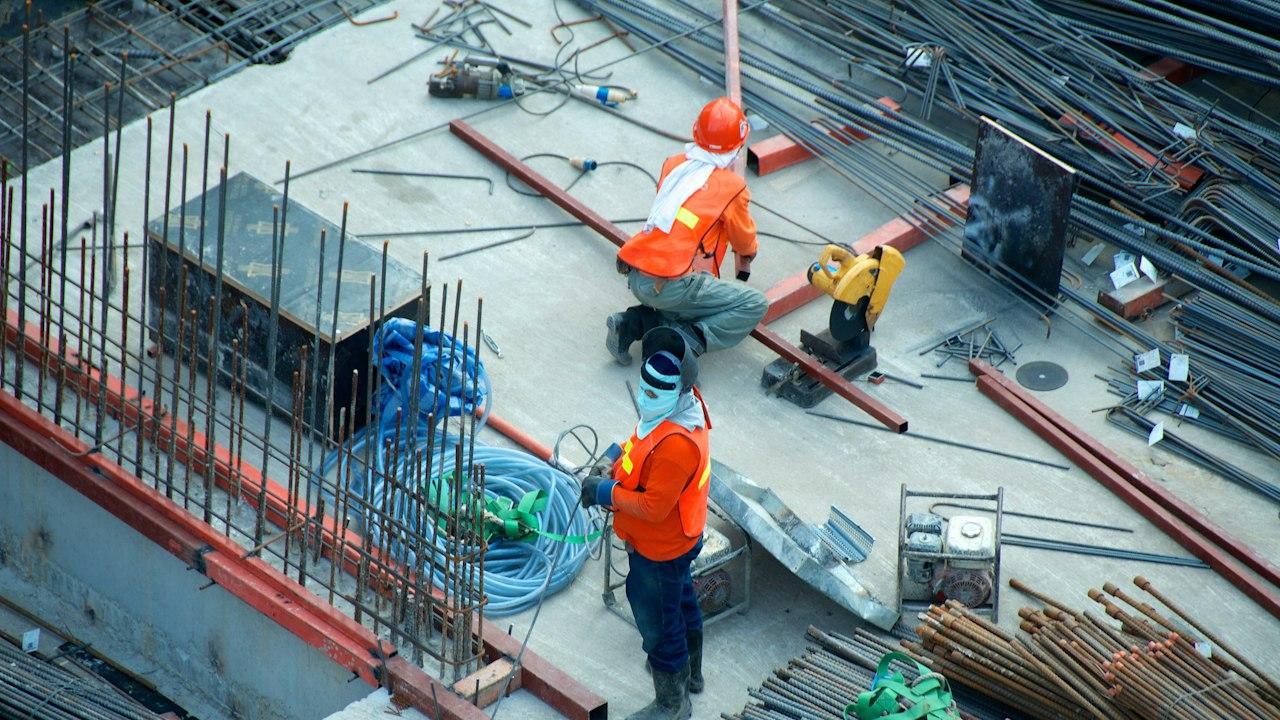
You are. If a SWMS is wrong, the business doing the work answers for it, whether a person or an AI tool wrote the first draft. The WHS laws put the duty on you, and the AI provider's terms will almost certainly say its output is yours to check.
AI can save time on paperwork. But a SWMS isn't paperwork for its own sake: it's the plan your crew follows on a job that can kill someone. This guide covers where the legal responsibility sits, who keeps an AI-generated SWMS current, and what to check before anyone signs it.
Who is liable for an AI-generated SWMS?
The person conducting the business or undertaking (PCBU) doing the high-risk construction work. Under the Work Health and Safety Act, your duty to keep workers safe so far as is reasonably practicable is yours, and section 14 says a duty can't be transferred to another person. That includes a consultant, a template provider and an AI tool.
The Work Health and Safety Regulations then set the SWMS rules. You must make sure a SWMS is prepared before high-risk construction work starts (regulation 299), that the work follows it (regulation 300), that it's reviewed when controls change (regulation 302), and that it's kept (regulation 303). None of those duties changes because software wrote the words.
Responsibility also reaches up and down the business:
- Officers, such as directors, must exercise due diligence (section 27): they need to know the business's risks and check that its processes, SWMS included, actually work.
- Workers must take reasonable care and follow reasonable instructions (section 28), which they can only do if the SWMS describes the job they're doing.
- The principal contractor on a construction project must take reasonable steps to get your SWMS before the work starts (regulation 312), and will usually read it. An obviously generic SWMS is a common reason for a knock-back at the gate.
Victoria has its own OHS laws, with similar duties for employers and self-employed people. The principle is the same: using AI doesn't hand the duty to anyone else.
Is the AI company liable if its SWMS is wrong?
Don't count on it. AI tools generally say in their terms that their output can be wrong and that you're responsible for checking it before you rely on it. Even where a provider made a mistake, the WHS regulator will look at the business that did the work: who prepared the SWMS, whether workers were consulted, and whether anyone competent checked it against the site.
Read the terms of any tool you use. If a vendor promises its SWMS are "compliant", ask what it checked them against, and remember the regulations require a SWMS that fits your workplace, which no tool can see.
The pitfalls of AI-generated SWMS
AI writes fluent, confident text. That's the problem: a wrong SWMS can read exactly like a right one. These are the faults to look for.
- Made-up or outdated references. AI can cite a regulation, standard or code of practice that doesn't exist, has been replaced, or belongs to another state. Check every reference against the current law.
- Generic content dressed up as site-specific. A SWMS for "roof work" that never mentions this roof's pitch, edges, access, overhead power lines or the other trades on site. It reads well and protects no one.
- Controls in the wrong order. The WHS Regulations require the hierarchy of controls: eliminate first, then substitute, isolate or engineer, and only then administrative controls and PPE. AI drafts often lead with PPE and signage.
- Vague controls nobody can check. "Take care", "use common sense" and "PPE as required" aren't controls. Each one needs to say what's done, by whom and when.
- The wrong state's rules. Victoria, the Northern Territory and the ACT differ from the model laws in ways that matter, such as Victoria's own list of high-risk construction work. Check our guide to WHS laws by state.
- Nothing the site knows. Ground conditions, underground services, exclusion zones, permits, the principal contractor's site rules. AI only knows what you typed.
- No record of who checked it. A document that appeared in seconds often has no record of who reviewed it, what they changed, or which version the crew signed. That record is what you'll need after an incident.
- Confidential information in the wrong place. Pasting a client's site details, worker names or incident history into a public AI tool can breach a contract or privacy obligations.
Who keeps an AI-generated SWMS up to date?
You do, exactly as with any other SWMS. A SWMS must be reviewed, and revised where needed, when control measures are revised (regulation 302). Regulation 38 sets out when you must review controls, including when:
- a control doesn't control the risk it was meant to;
- a change is planned at the workplace that's likely to create a new or different risk;
- a new hazard or risk is identified;
- consultation shows a review is needed; or
- a health and safety representative asks for one.
Generating a fresh SWMS each time doesn't solve this. The crew signed a particular version, so a new one must be checked, consulted on and signed again. The risk is a pile of slightly different documents and no clear record of which one was in force when something went wrong.
Using AI sensibly
AI is useful when it supports people who know the work, rather than replacing them.
- Start from content experts have already written. Editing a SWMS written and reviewed by safety people is safer than checking every line of a draft generated from scratch.
- Have a competent person check every step against the actual site, method and plant, and confirm every legal reference.
- Consult the workers who'll do the job (section 47 of the WHS Act). They'll spot what the document missed.
- Record who approved which version, and make sure the crew signs the current one.
- Keep the original. If you translate a SWMS for your crew, keep the English version as the record.
Not sure your job needs a SWMS at all? Use the Do I need a SWMS? checker. For what a compliant one contains, see what must a SWMS include.
How SafetyDocs uses AI
SafetyDocs uses AI where it helps and keeps people responsible for the content. Every SWMS in the SWMS template library is written by safety experts, and SafetyDocs SWMS were developed with input from Standards Australia. AI does the conversion work: it turns your existing Word or PDF SWMS into an editable document, and translates a SWMS into your crew's languages, with the English original kept as the record.
Everything else is built around accountability. The job, client and site fill themselves in, the builder comments on the exact line and approves the SWMS before it goes out, workers raise issues on any step with a photo, and every signature is tied to the version the worker saw. When you change the SWMS, everyone who signed is asked to sign the new version.
Common questions
Can I use ChatGPT or another AI tool to write a SWMS? Yes, the law doesn't say who or what drafts a SWMS. But you remain responsible for its content, so a competent person must check it against the site, consult the workers and keep it current.
Does an AI-generated SWMS have to be reviewed? Yes. Every SWMS must fit the actual work, and it must be reviewed when controls change (regulation 302). An AI draft needs the same checks as any other, and usually more.
Who signs off an AI-generated SWMS? The business doing the work, through someone competent to judge it. Workers then read and sign it to show they understand it, and the principal contractor may review it before the work starts.
Is an AI-generated SWMS compliant? Only if its content is right for the job. Compliance depends on what the SWMS says and whether it's followed, not on how it was written.
This is general information, not legal advice. Check the current law with your WHS regulator.
Biblioteca de plantillas
Ponlo en práctica con un SWMS listo para usar.
Explora plantillas de SWMS escritas para los oficios de Australia. Mira la vista previa de cualquiera gratis y adapta una a tu obra en minutos.
Guías relacionadas
Ley de WHS
Who prepares, signs and keeps a SWMS?
Who must write a SWMS, whether workers have to sign it, what the principal contractor checks, and how long to keep it under Australian WHS law.
Ley de WHS
What are codes of practice? WHS codes explained
What WHS codes of practice are, how they differ from Acts and regulations, whether they are enforceable and how to find and use the codes that apply to you.
Ley de WHS
What does WHS mean? Work health and safety explained
WHS means work health and safety. Learn what it covers, how it differs from OHS and OH&S, which WHS laws apply in each state and who has duties under them.