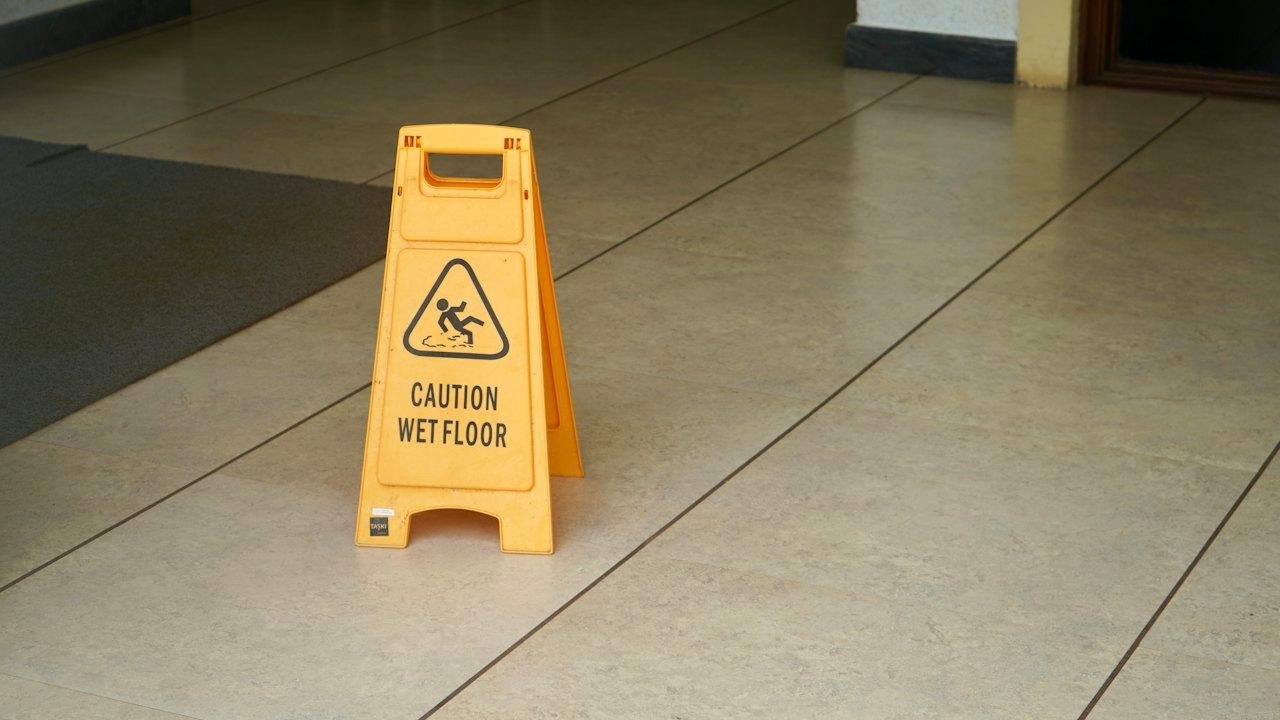
Hazard vs risk: what's the difference? With examples
A hazard is anything that could cause harm; a risk is the chance it will, and how bad the harm could be. See the difference with workplace examples.
Blog de SafetyDocs
Guías en lenguaje sencillo sobre SWMS, JSA, evaluaciones de riesgos, obligaciones de WHS y los peligros que enfrenta tu cuadrilla en las obras de Australia.
A hazard is anything that could cause harm; a risk is the chance it will, and how bad the harm could be. See the difference with workplace examples.
Gestión de la seguridad
How we design SafetyDocs: simple, seamless tools for the whole crew, built with the people who use them. Tell us what you'd like next.
Gestión de la seguridad
A policy says what you'll do and why; a procedure says how, step by step. See the difference between policy and procedure, with WHS examples of each.
Ley de WHS
WHS means work health and safety. Learn what it covers, how it differs from OHS and OH&S, which WHS laws apply in each state and who has duties under them.
Construcción
ITP stands for inspection and test plan. Learn what an ITP is in construction, what goes in one, how hold and witness points work, and how to write one.
Ley de WHS
Using AI to write a SWMS doesn't move your WHS duties. Who's liable, who keeps an AI-generated SWMS up to date, and the pitfalls to check for.
SWMS y JSA
Add our free SWMS checker to your website. Visitors tick the work a job involves and see straight away whether the WHS laws need a SWMS.
Gestión de la seguridad
Safe operating procedure vs standard operating procedure: what each means, when you need which, how they differ from SWMS and JSAs, and what a good SOP holds.
Cultura de seguridad
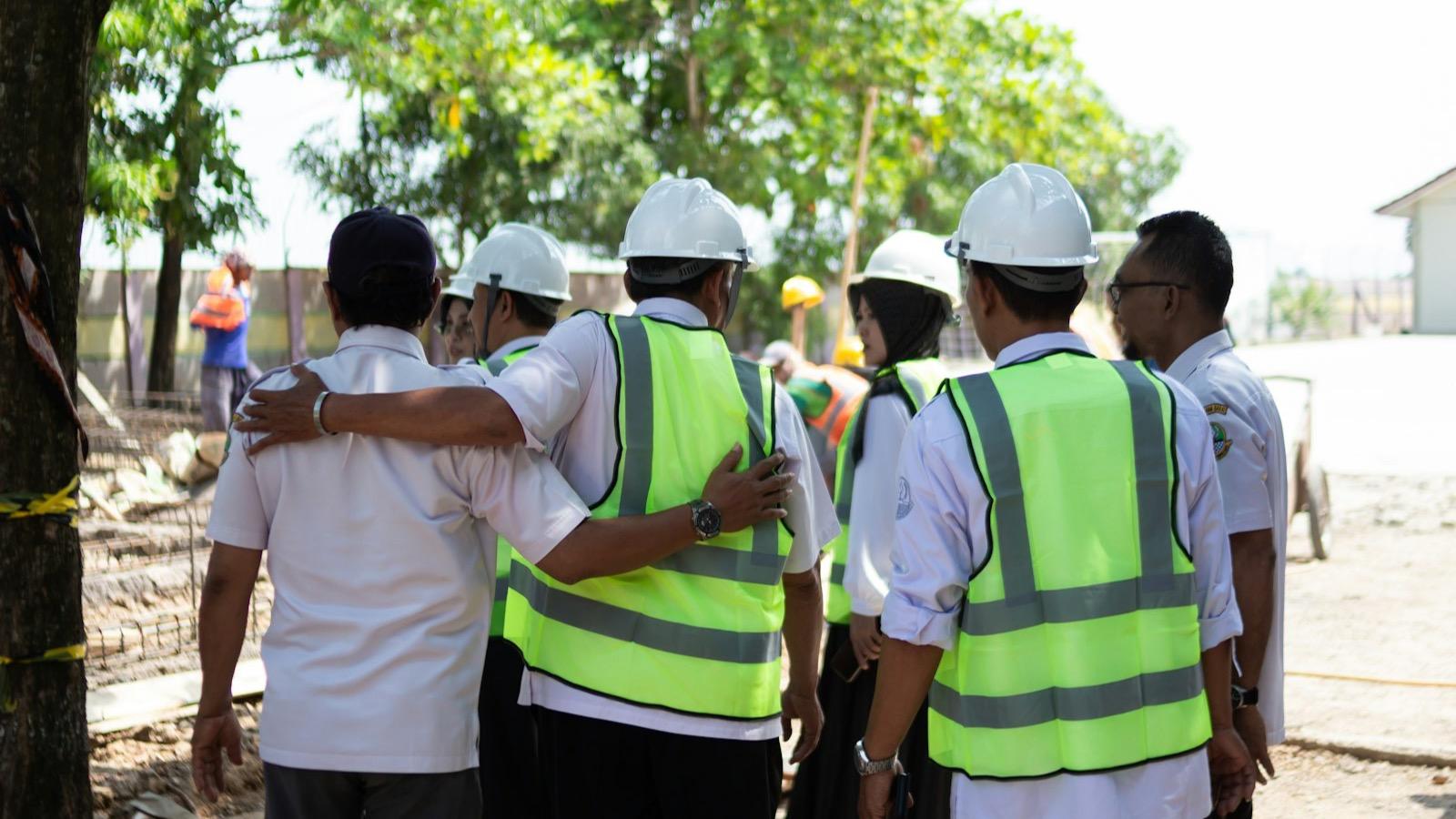
Over 50 toolbox talk topics for construction and trades, grouped by hazard, with the point to make on site and how to pick this week's topic.
SWMS y JSA
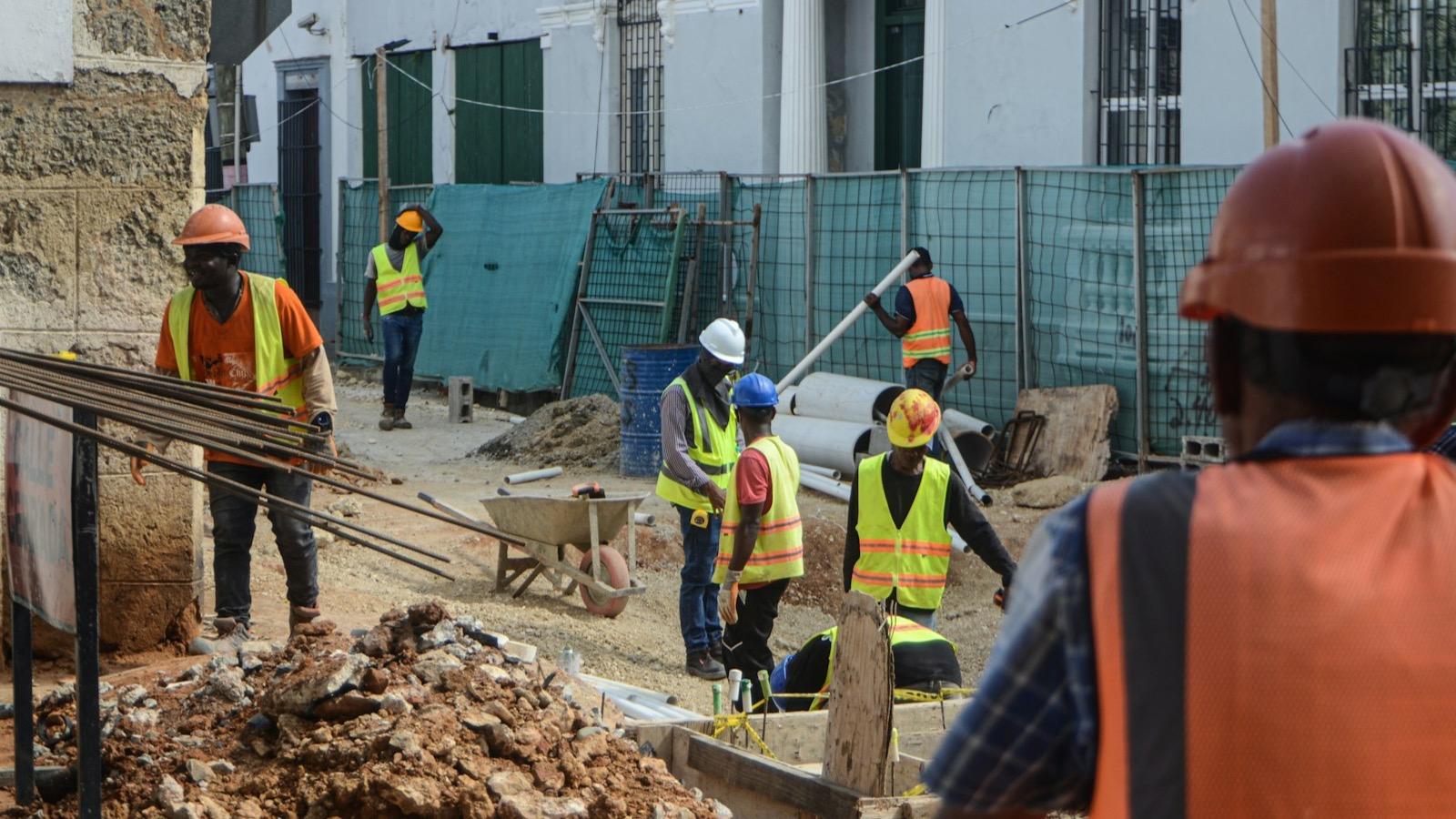
SWMS stands for safe work method statement. Learn what it is, when the WHS Regulations require one, what it must include and how it differs from a JSA.
SWMS y JSA
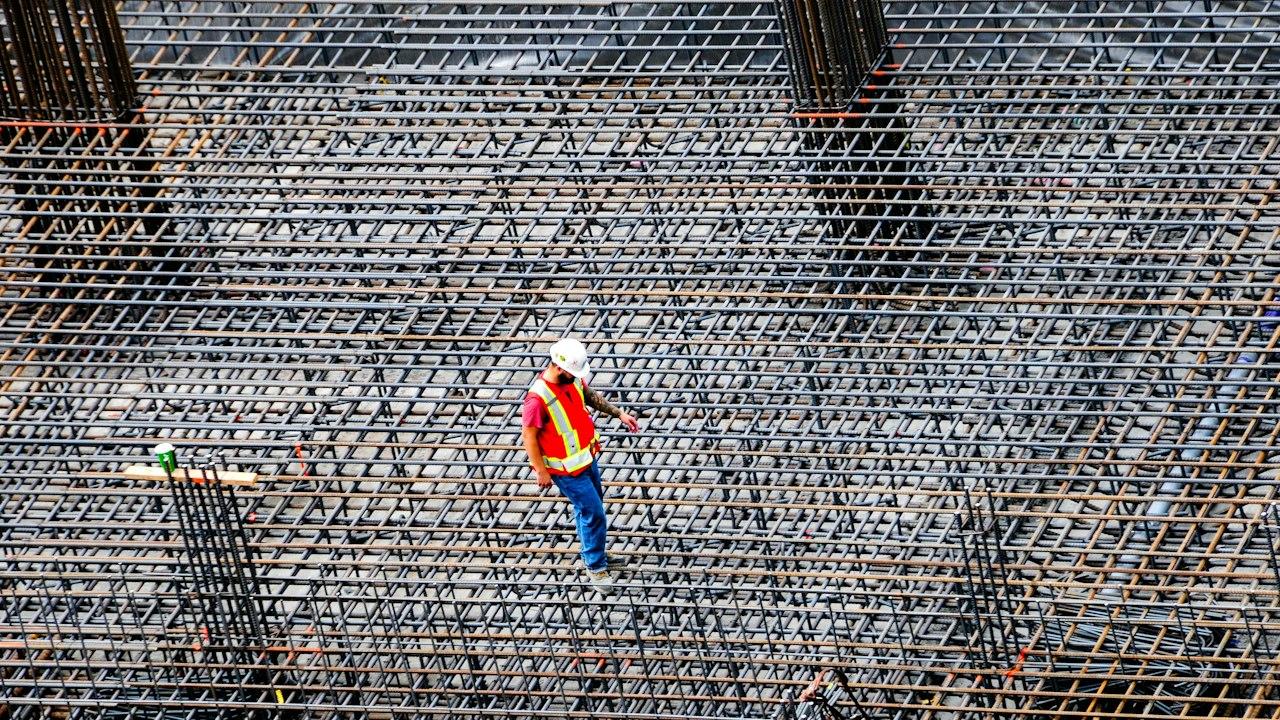
SafetyDocs vs simpliSWMS: expert-written SWMS, builder and subbie collaboration, free signing for every worker, and a Gold plan at a fraction of the price.
SWMS y JSA
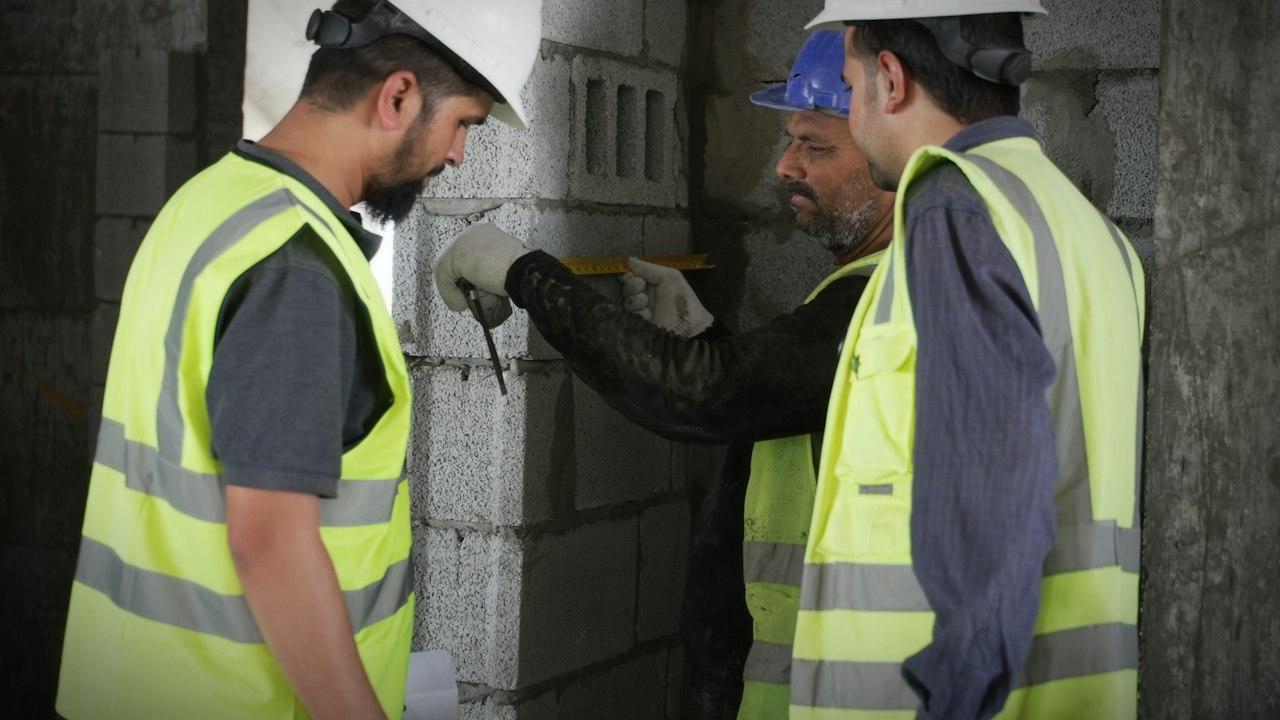
SafetyDocs vs Sitemate for SWMS: expert-written SWMS or forms you build, builder and subbie collaboration, and about $4 a person against $50 a user.
SWMS y JSA
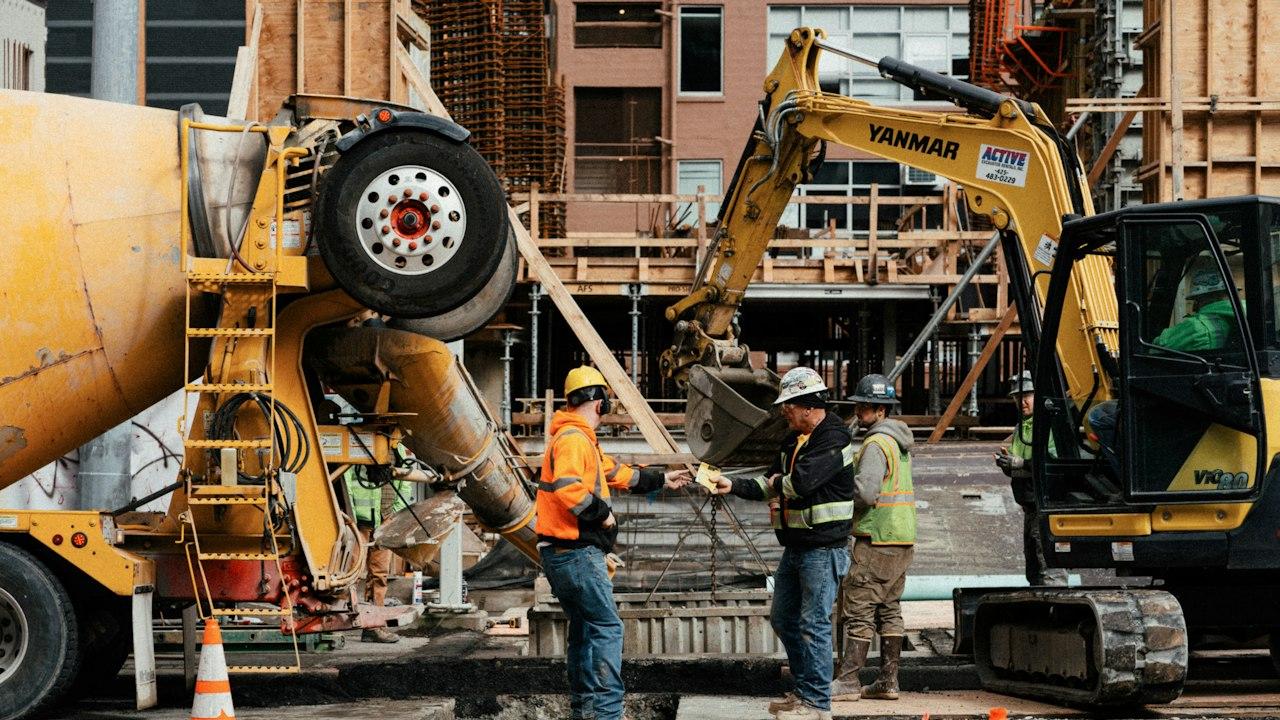
SafetyDocs vs SWMSY.AI: SWMS written by safety experts or generated by AI, how builders and subbies work on them together, signing, and published prices.
SWMS y JSA
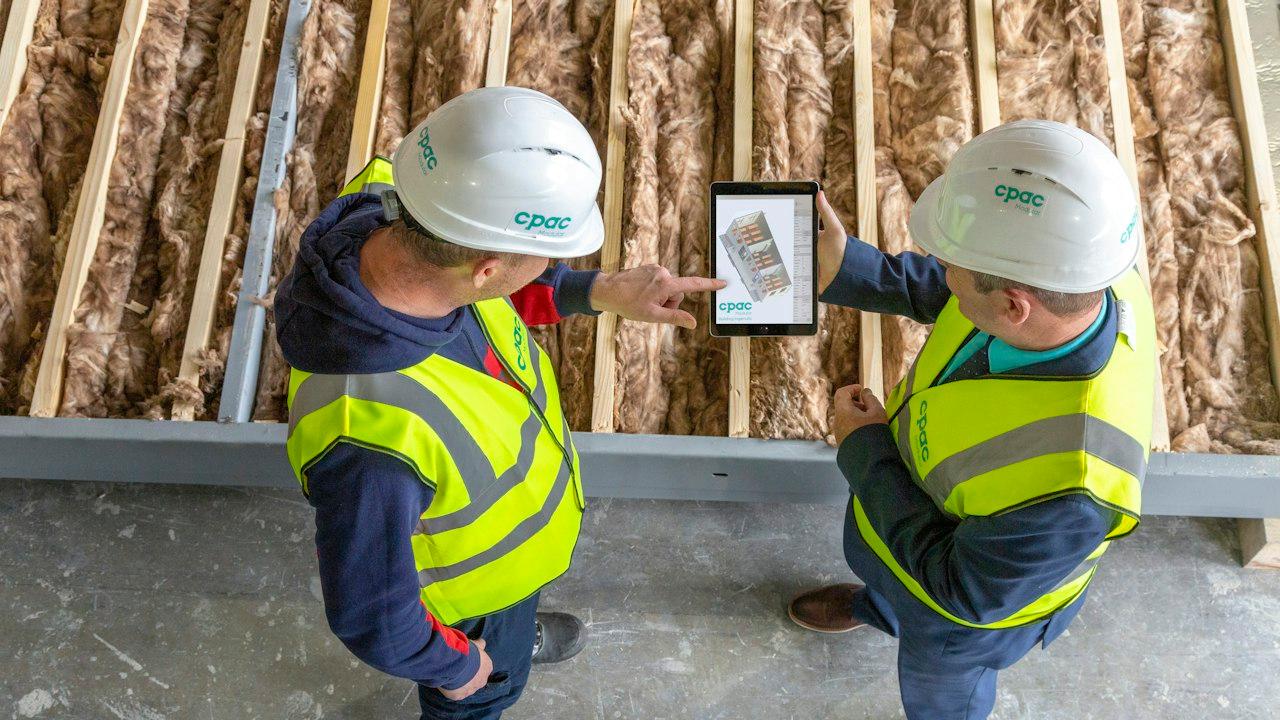
Five ways to get a SWMS in Australia compared: writing your own, free regulator templates, template packs, SWMS software and safety consultants.

Ley de WHS
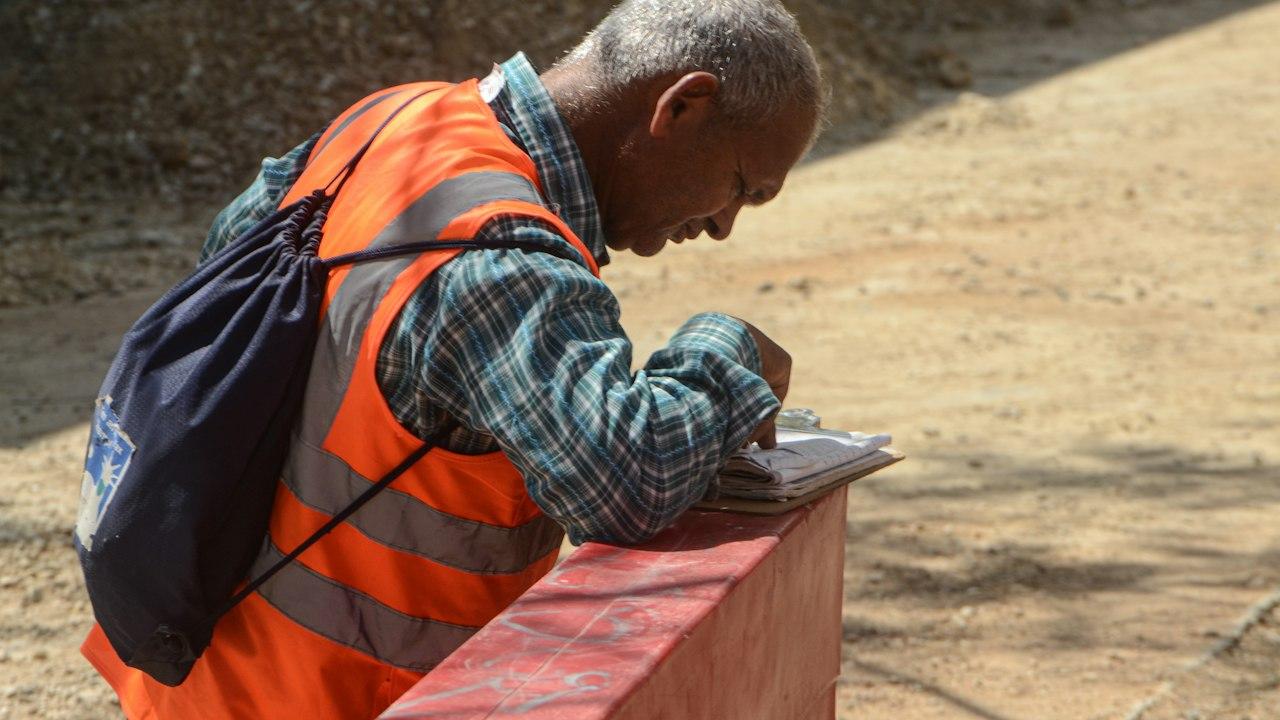
Who must write a SWMS, whether workers have to sign it, what the principal contractor checks, and how long to keep it under Australian WHS law.
SWMS y JSA
What the WHS Regulations require in a SWMS, what's good practice on top, and the common reasons principal contractors send a SWMS back.
SWMS y JSA
A builder sent you a SWMS through SafetyDocs. What the link is, what to check before you sign, and why it's free, with no app to install.

Gestión de la seguridad
Where PPE fits in the hierarchy of controls, what a business must provide under the WHS laws, and how to choose, fit, check and record PPE for each job.
Cultura de seguridad
A toolbox talk is a short safety meeting held on site. Learn what it covers, how to run a 5 to 10 minute talk your crew engages with, and how to record it.
Gestión de riesgos
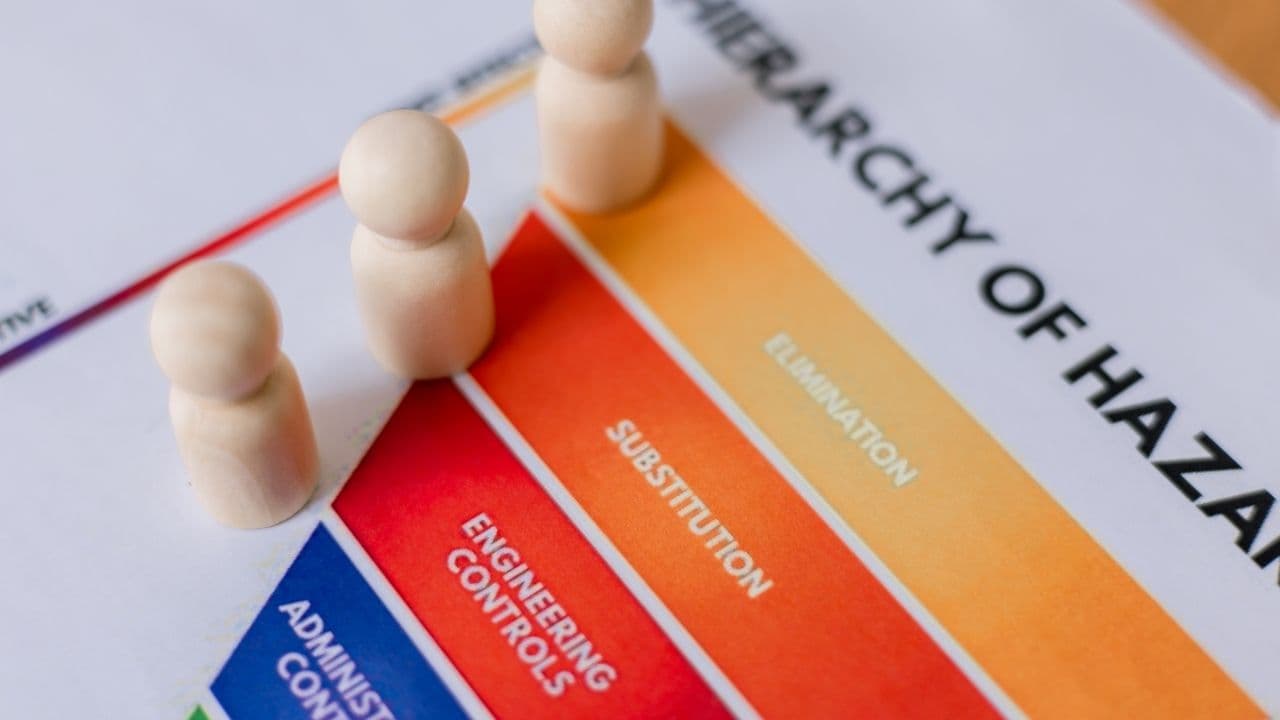
How to apply the hierarchy of controls: the order of elimination, substitution, isolation, engineering, administrative controls and PPE, with worksite examples.

Gestión de riesgos
When and how to review risk controls: the WHS Regulation triggers, a practical check of each control on site, and how to record what you find.
Gestión de riesgos
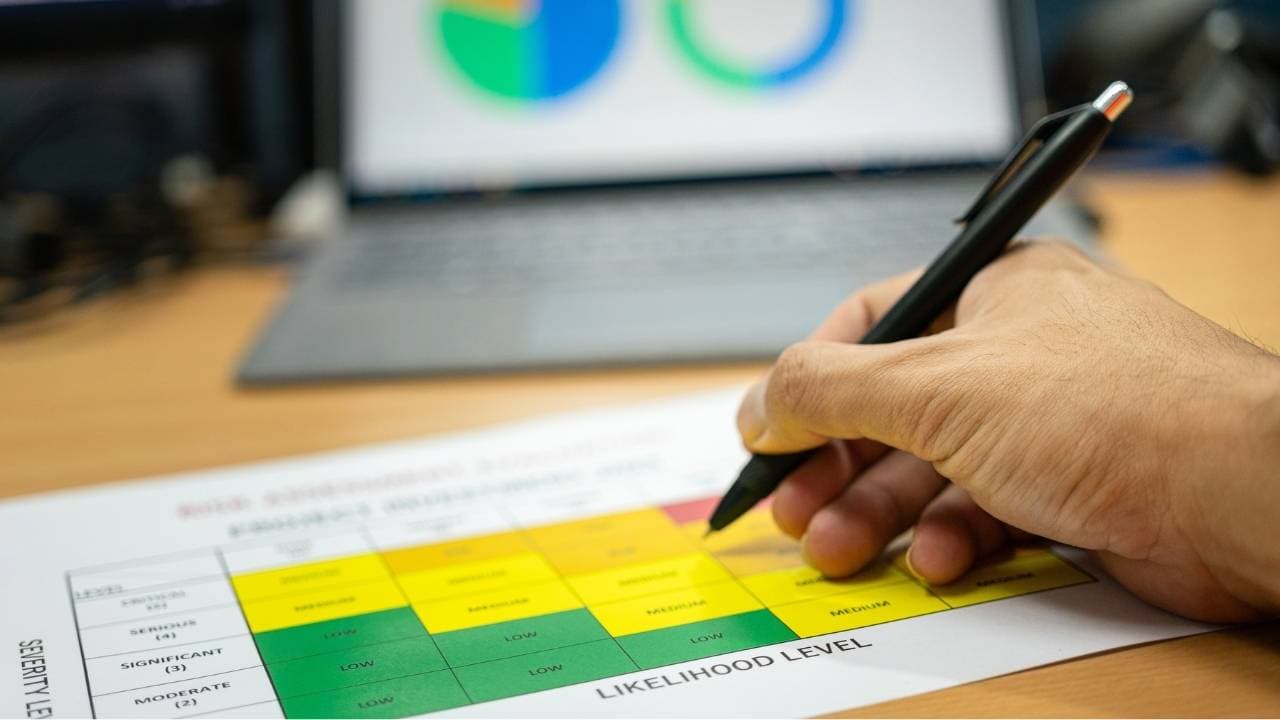
What a risk assessment is, how it differs from a hazard, how to use a risk matrix, and the five steps to assess and control workplace risks.

Construcción
The 10 safety forms a site supervisor needs, from pre-start checks and inductions to incident reports and contractor sign-in, and what each one is for.

Ley de WHS
What chain of responsibility means under the Heavy Vehicle National Law, who is accountable, the main risks to control and the records that show you did.
Construcción
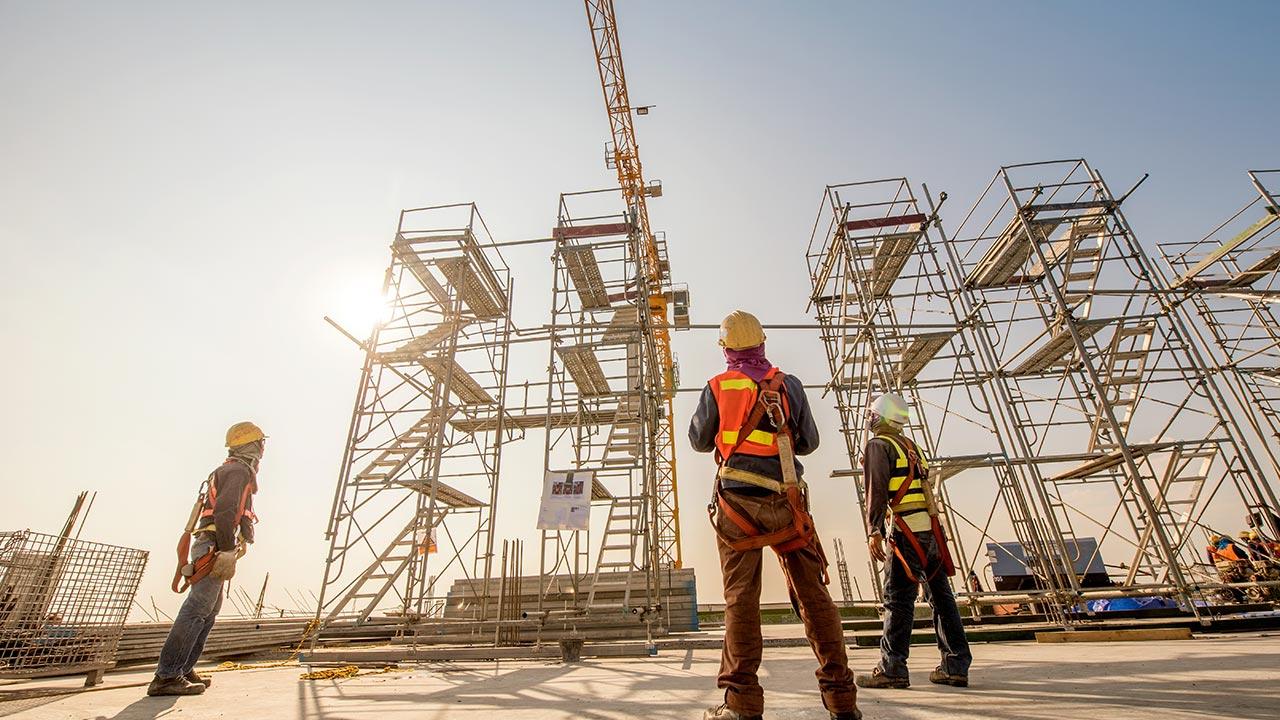
What a scaffold is, the types used in Australia, when a licence is needed, the main hazards, and the SWMS and inspection rules that apply.
Construcción
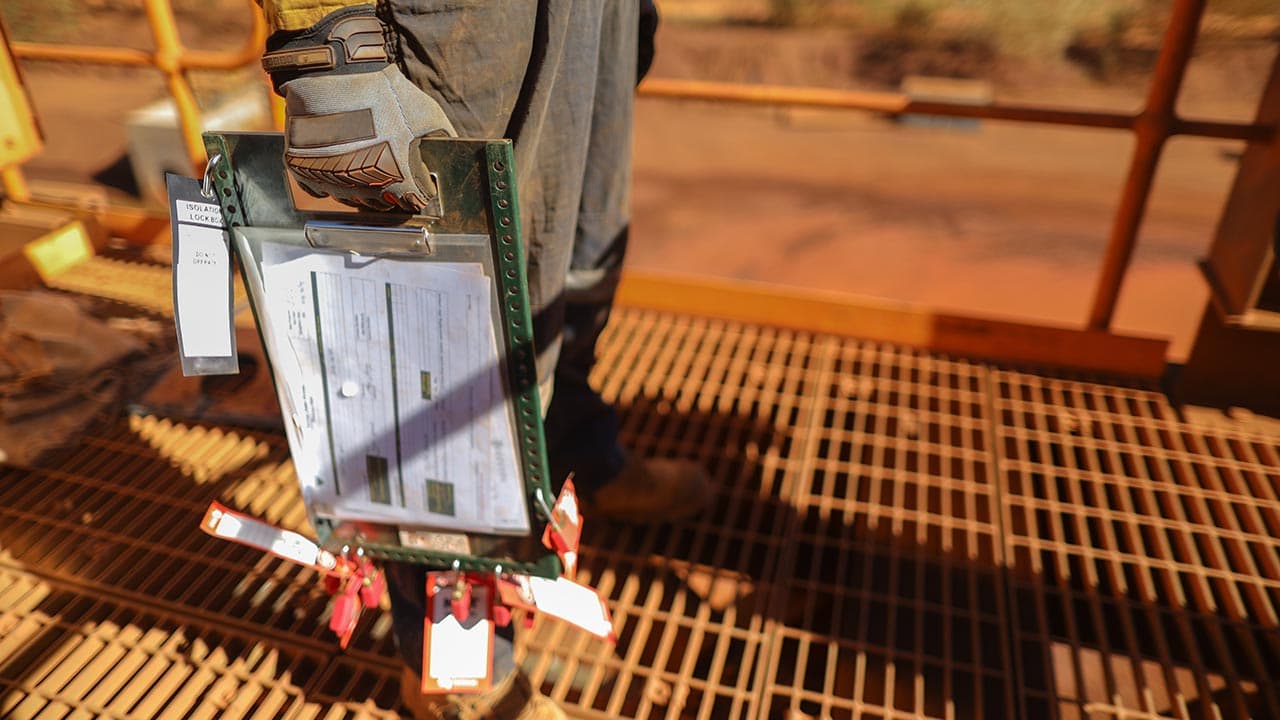
What a permit to work is, when the law requires one for confined spaces, when it's good practice, and what every permit must include.

Gestión de la seguridad
What a quality management system (QMS) is, why it keeps work consistent, and the four stages and core elements of AS/NZS ISO 9001:2016 explained.

Gestión de la seguridad
What ISO 9001 is, what the standard asks of your business, how it relates to AS/NZS ISO 9001, the 2026 revision and how certification works.
Construcción
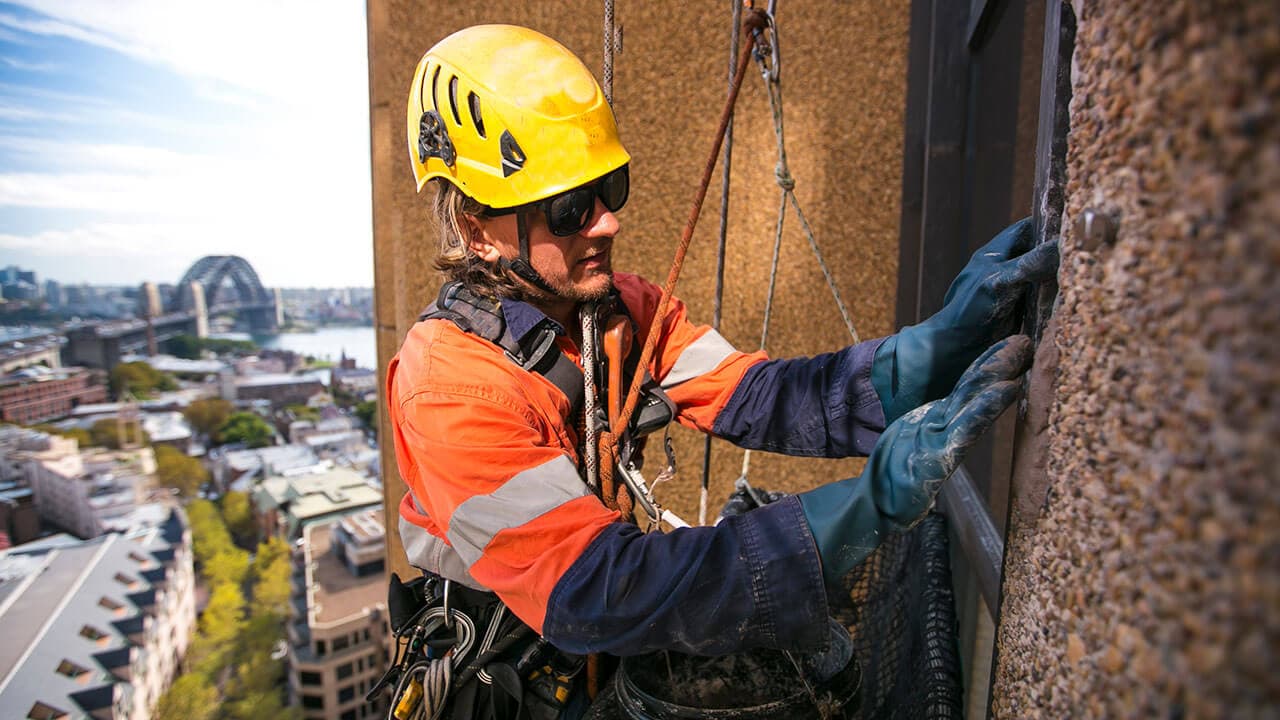
The 18 kinds of high-risk construction work under the WHS Regulations, why each one needs a SWMS before work starts, and what to check first.

Cultura de seguridad
Tradies National Health Month runs every August. Practical steps to protect your back, hearing, lungs and mental health, and what employers can put in place.
SWMS y JSA
The difference between a JSA and a SWMS: the legal requirement, the scope of each, what each must contain, and when to use one, the other or both.
Gestión de la seguridad
ISO 45001:2018 is the international standard for OHS management. Here is what it requires, how the Australian version works and what it offers your business.

Gestión de la seguridad
How to plan, run and follow up a WHS audit: the checks to make, the evidence to collect, how to write findings and how to make fixes stick.

Gestión de la seguridad
How to build a business continuity plan that keeps workers safe in an emergency: risks, critical functions, response, communication, recovery and drills.

Gestión de la seguridad
A safety management system (SMS) is the policies, procedures and reviews that find hazards and control risks. See what one includes and how to start.

Ley de WHS
What a WHS policy is, how it differs from a procedure, and the core set of WHS policies and procedures every Australian workplace should have.

Gestión de la seguridad
Five warning signs that your quality management plan is out of date, what each one looks like on the job, and how to fix it before an audit does.
Gestión de la seguridad
How to write a non-conformance report: record the facts, find the root cause, set corrective actions with owners, and check the fix worked.

Ley de WHS
Ten common WHS myths, from 'it only applies to high-risk industries' to 'the rules never change', with the facts and what to do about each.
Gestión de la seguridad
How to shift from fixing incidents after they happen to finding and controlling hazards first, with seven practical steps and a checklist for each.
Peligros
The environmental risks most common in industrial operations, from air and water pollution to chemical spills, and how to manage each one on site.

Ley de WHS
How to manage sexual and gender-based harassment as a WHS psychosocial hazard: assess the risk, put controls in place, handle complaints and review.
Peligros
The three types of workplace environmental hazards are chemical, physical and biological. See examples of each, and the controls that reduce the risk.

Peligros
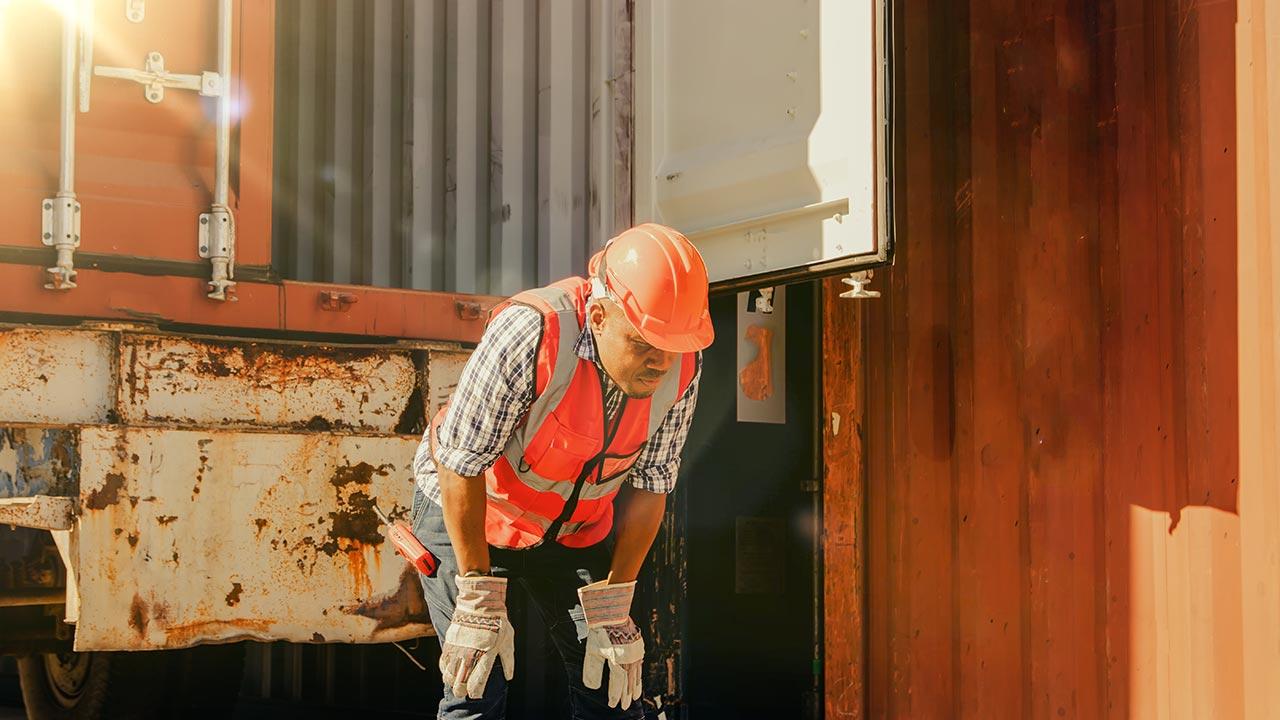
Manage heat stress at work: spot the warning signs, assess heat risks, apply controls, train your crew and review the plan, under Australian WHS laws.
Peligros
Climate change is raising heat, storm, smoke and UV risks at work. Learn what Australian businesses should assess, control and plan for.
Peligros
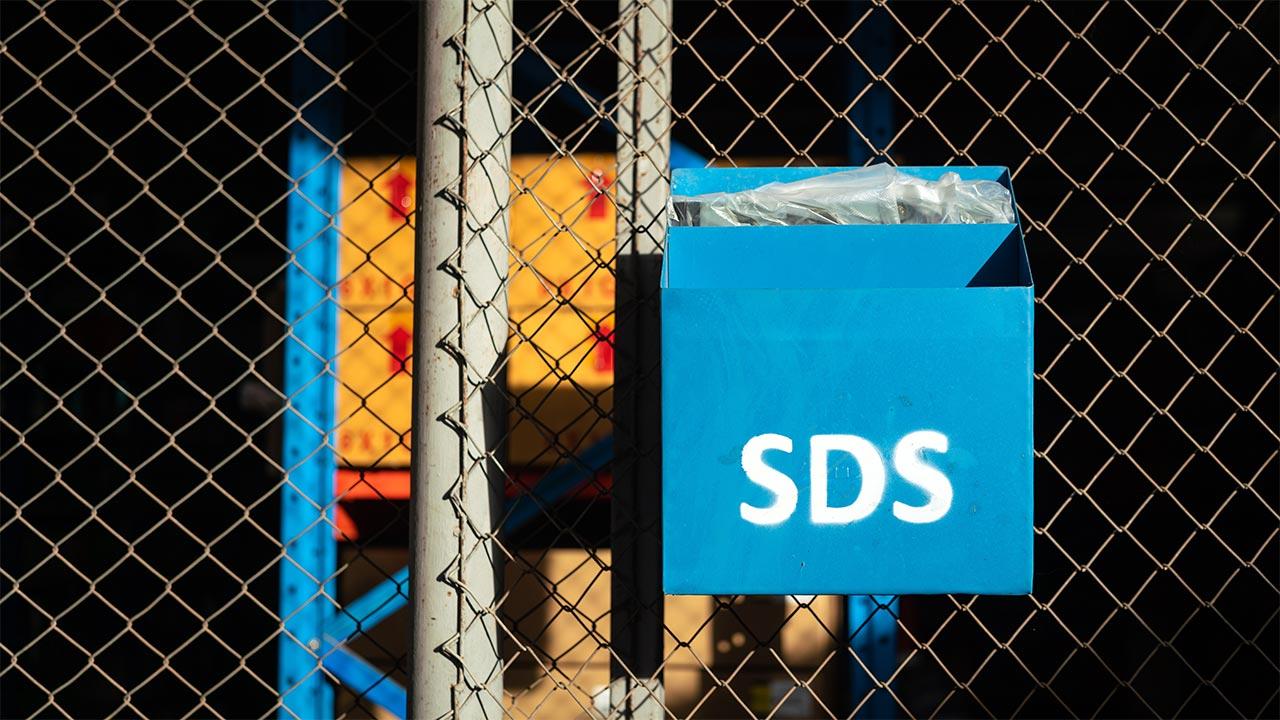
What a safety data sheet (SDS) contains, how to read its hazard and first aid sections, and how to keep an SDS register workers can actually use.

Gestión de la seguridad
The 8 health and safety KPIs most worth tracking, with lead and lag indicators, how to calculate each one and how to act on the results.

Construcción
A practical guide to carpentry safety in Australia: the timber dust, machinery, fall and manual handling hazards, plus the controls and documents to use.

Gestión de la seguridad
How to build a WHS plan that identifies barriers for workers with disabilities, consults them, sets adjustments and emergency support, and reviews the plan.
Peligros
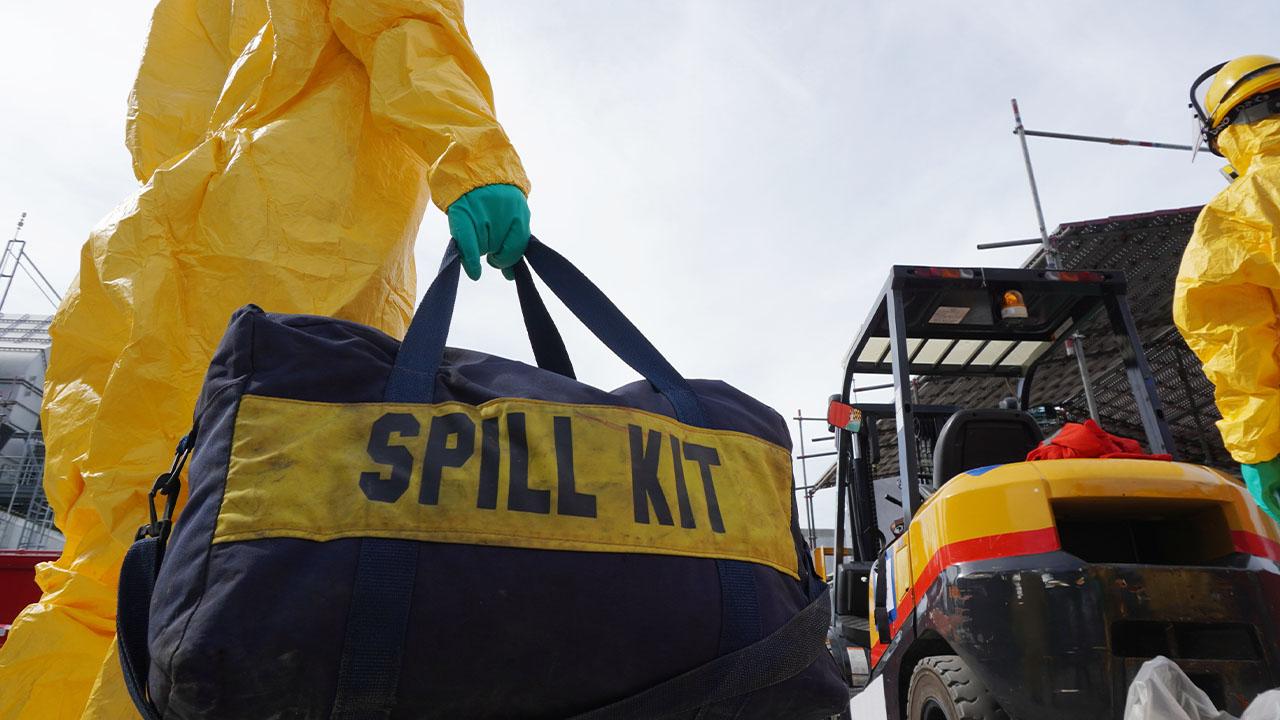
The main types of chemical spill, how to tell a minor spill from a major one, and the steps for a chemical spill response plan that works on site.
Cultura de seguridad
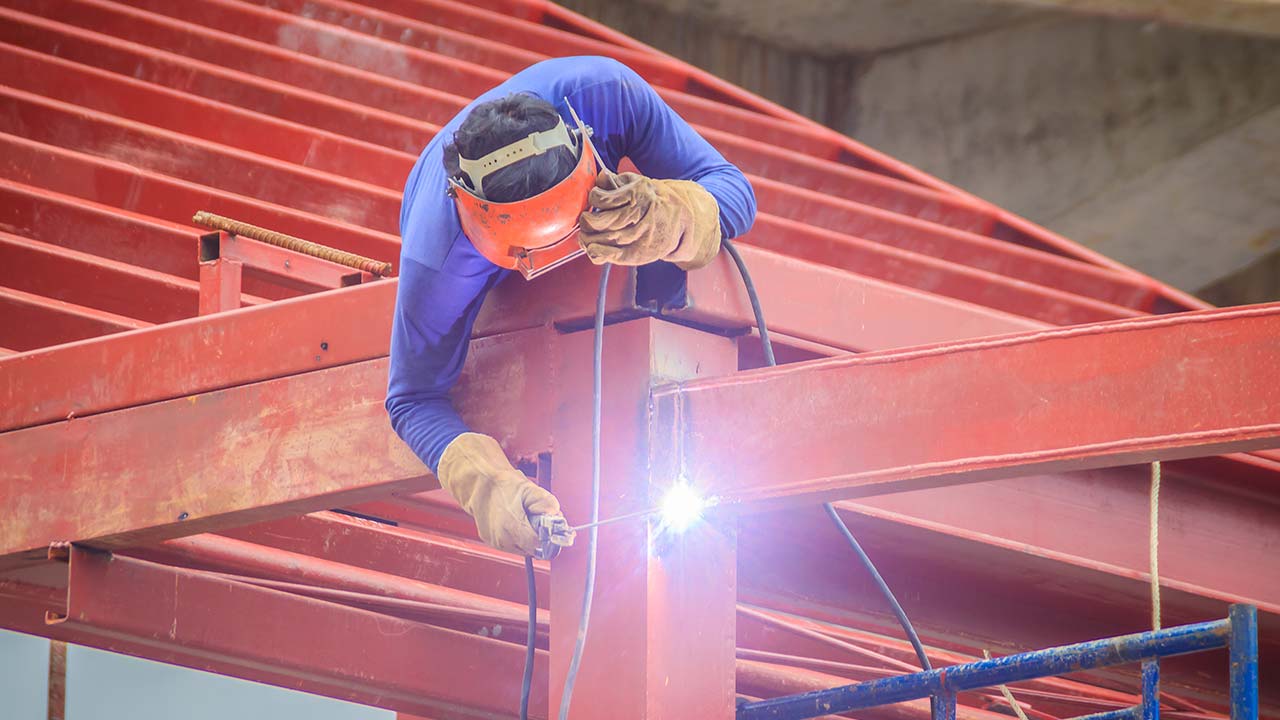
Ten unsafe work practices behind many workplace injuries, from skipped PPE and lockout steps to horseplay and unreported near misses, and how to stop each.

Peligros
Use this event safety checklist to plan risks, site setup, crowds, first aid, traffic and incidents, from the first planning meeting to the post-event review.
Gestión de la seguridad
The WHS duties every small business owner must meet, the documents and training to start with, and how to check the rules in your state or territory.

Peligros
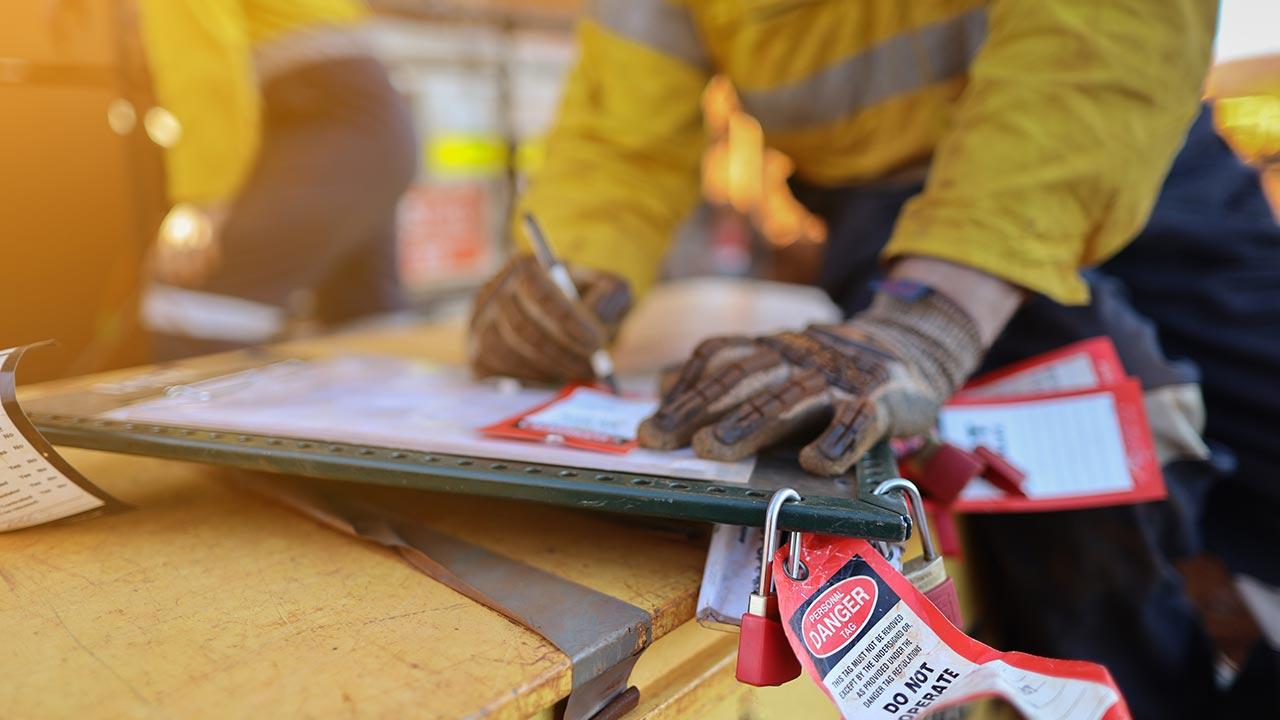
Lockout/tagout stops machines starting while someone works on them. Follow these steps to isolate energy, verify it and protect workers during maintenance.

Cultura de seguridad
AI can spot hazards earlier and make training more practical. Here is where it helps, the privacy and bias risks to plan for, and what WHS still requires.

Peligros
The 10 main safety hazards in hotels, restaurants and bars, from slips and burns to fatigue and aggression, with practical controls for each.

Cultura de seguridad
What a safety culture looks like on site, why compliance alone falls short, and five leadership steps from SafeWork Australia to build one that lasts.

Ley de WHS
How to plan a safe return to work for an injured employee: early contact, suitable duties, a written plan, regular reviews and the rules to check.

Peligros
Practical ergonomics for warehouses and transport: spot manual handling, awkward posture and poor layout, then fix the design, the training and the cab.
Peligros
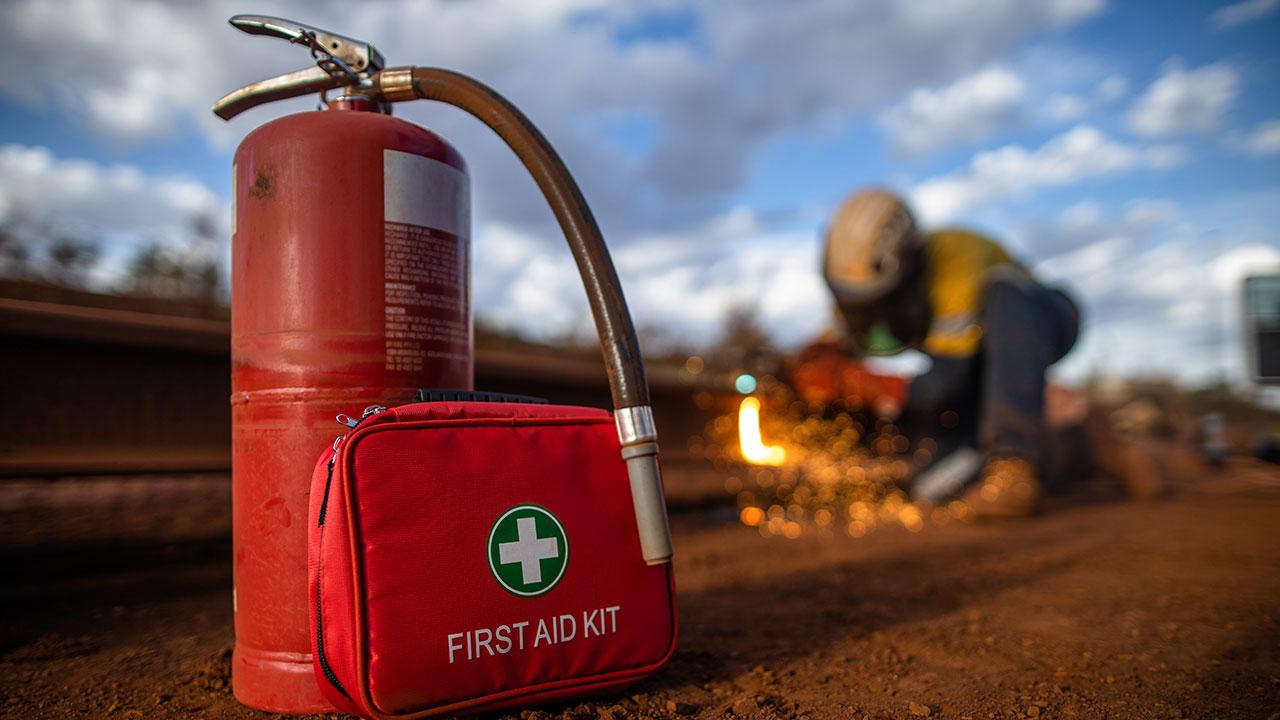
Prevent burns at work: learn the four types of burn, the high-risk tasks, the controls that stop them, and the first aid steps to take straight away.

Cultura de seguridad
The traits and leadership styles that make OHS leaders effective, what they do on site, and how their duties under the WHS Act apply to managers and directors.
Gestión de riesgos
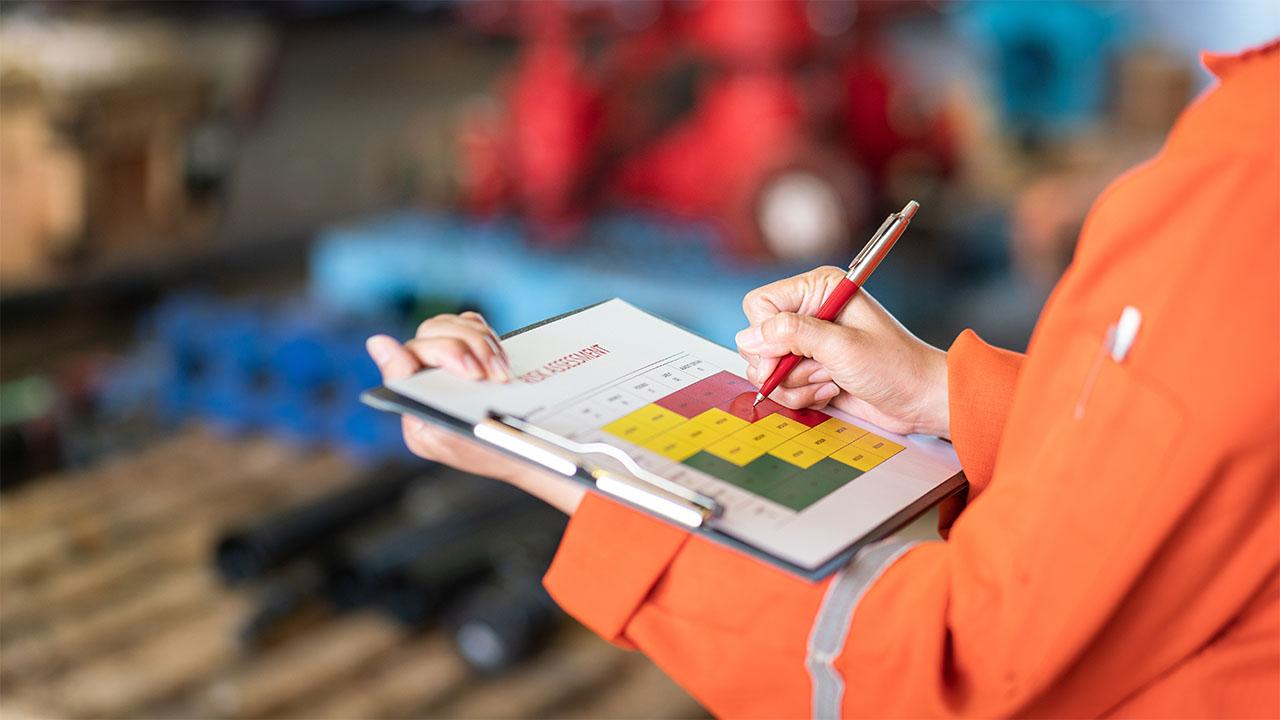
Walk the site, consult workers, review your records and reassess every change. A step-by-step hazard assessment in line with Safe Work Australia guidance.

Gestión de la seguridad
The ten HR documents most small businesses need, what each should cover, and the Australian laws that shape them, from employment agreements to vehicle use.

Construcción
Excavation safety for crews: the cave-in, underground service, atmosphere and plant hazards, when a SWMS is needed, and the controls to use.

Peligros
The main hazards in automotive repair and servicing workshops, from lifting and power tools to fumes, high-voltage systems and fatigue, and the controls that reduce them.
Construcción
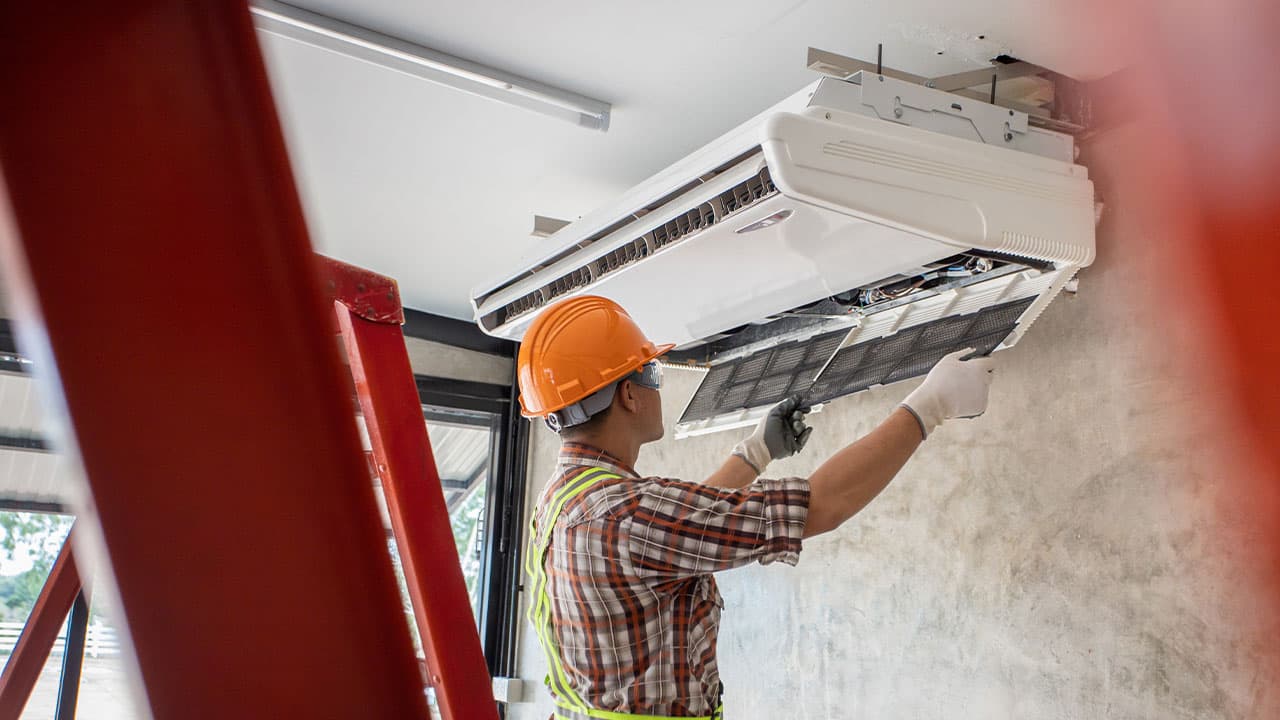
Safe air conditioning installation: the falls, electrical, refrigerant and heat hazards to control, the licences needed and a checklist for each job.

Peligros
How to buy, register, guard, maintain, operate and dispose of plant safely, and how each stage links to your WHS duties and the model code of practice.
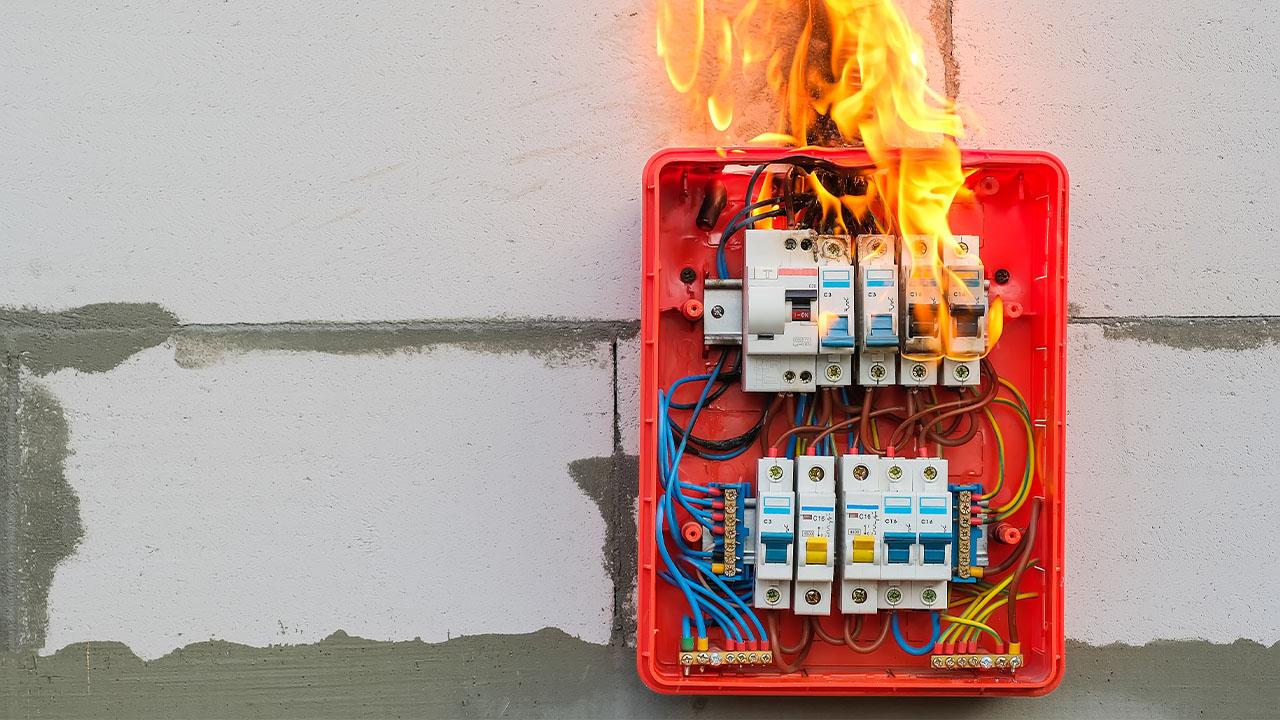
Peligros
Plan for electrical emergencies on site: spot the common hazards, respond safely to shock and fire, and write an emergency plan your crew can follow.
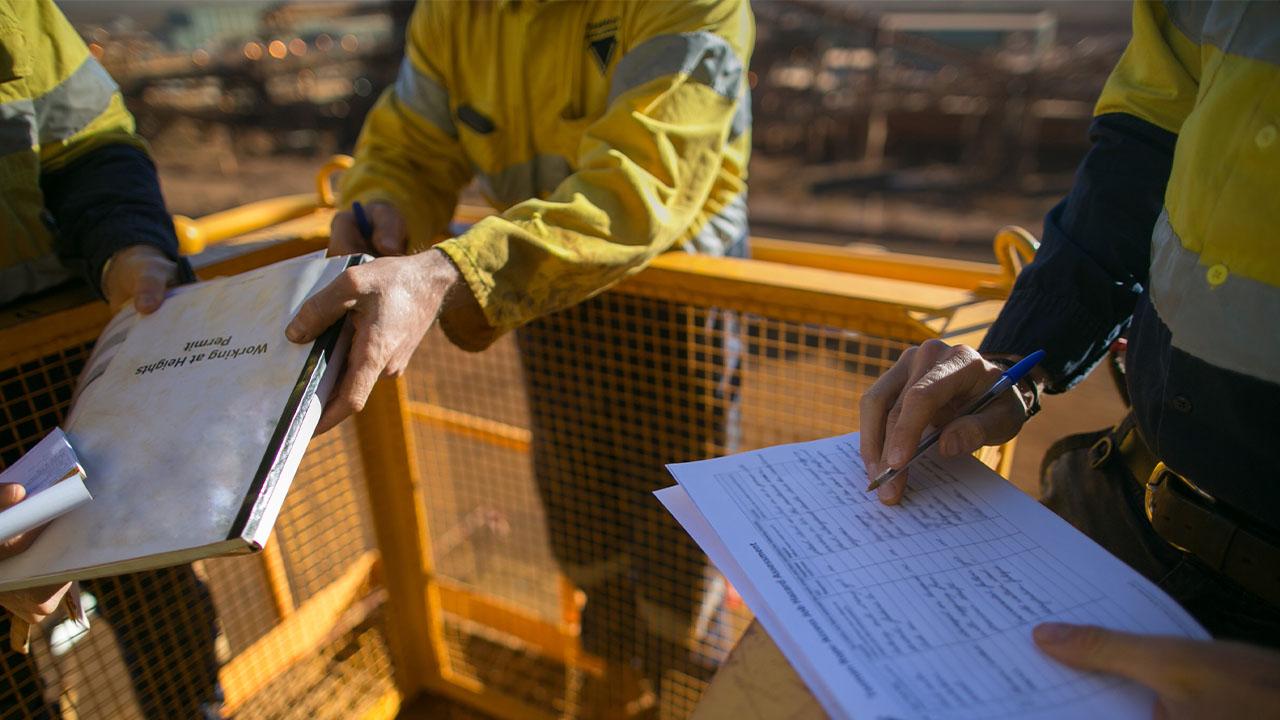
Gestión de la seguridad
How ISO 45001 certification works: the gap analysis, the planning and implementation steps, the internal and external audits, and what to expect.

Peligros
Practical safe work practices for manufacturing sites, from risk assessment and machine guarding to chemicals, manual handling and emergency planning.

Cultura de seguridad
How to run sustainable work practices on site and choose eco-friendlier safety equipment without cutting protection. Checks, examples and what to measure.

SWMS y JSA
How to draft a job safety analysis that works: involve the workers, break the job into steps, rate the risks and avoid the mistakes that leave gaps.

Gestión de la seguridad
What a safety management plan is, how it differs from a safety management system and the WHS management plan, and what a beginner's plan should cover.

Cultura de seguridad
Nine practical tools for WHS professionals, from digital hazard reports and registers to training records, incident tracking and inspection technology.

Cultura de seguridad
Five practical ways to reduce injuries at work: training, hazard checks, safety culture, learning from incidents and useful technology.

Cultura de seguridad
What safety culture means, what a strong one looks like on site, the benefits it brings, and practical ways to measure and build it in your workplace.

Gestión de la seguridad
The ten HSEQ training modules new workers need in their first weeks, what each one covers, and the documents that help you run them.

Cultura de seguridad
Augmented reality puts hazards and procedures into a real workspace so workers can practise safely. How AR training works, where it helps and how to start.
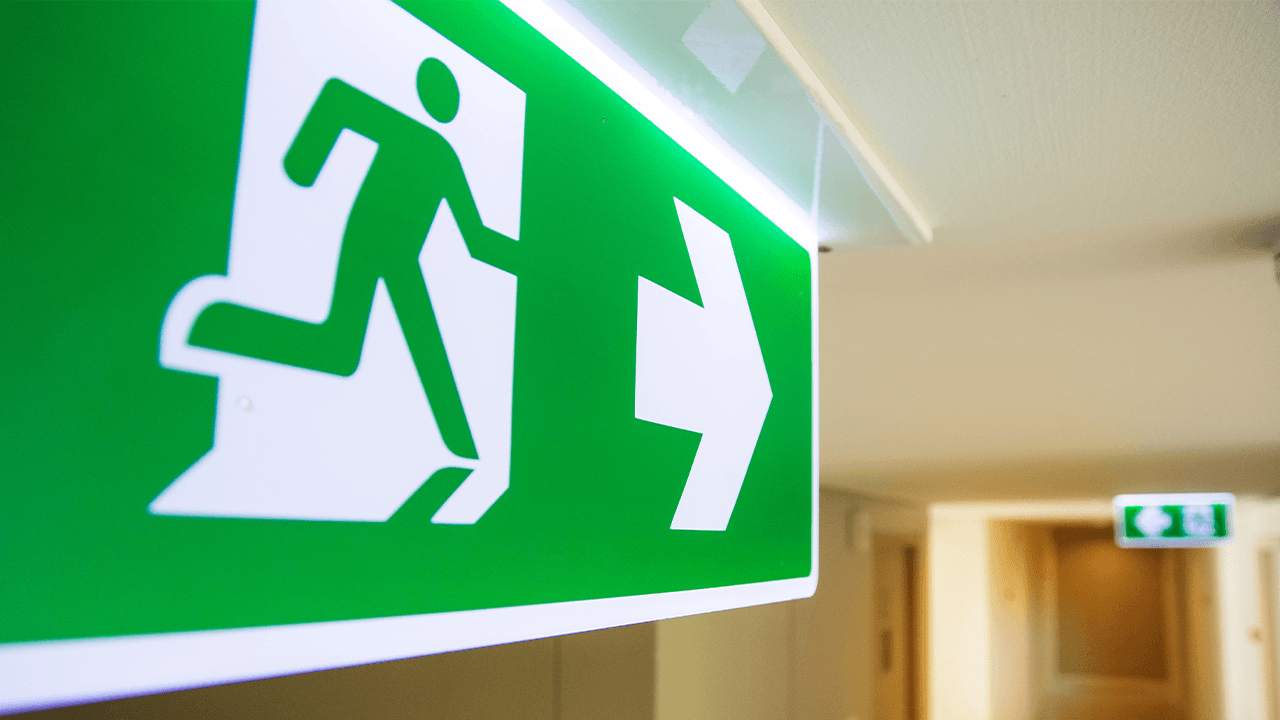
Gestión de la seguridad
How to write a fire evacuation plan that gets people out safely, covering the fire risk assessment, roles, alarms, assembly, drills and reviews.

Gestión de la seguridad
How HSEQ supports sustainable business, where safety, environment and quality overlap, the common obstacles, and how to measure whether it's working.

Ley de WHS
What a PCBU is under Australian WHS law, its primary duty of care, the other duties it must meet, and how leaders can manage risk at work.

Cultura de seguridad
How to manage psychosocial hazards that affect mental health at work: what they are, what the WHS laws require, and a risk process with practical steps.

Gestión de riesgos
How to share hazard finding, risk assessment and control decisions with workers, supervisors and contractors, so problems are caught early and controls stick.

Construcción
When a crane lift plan is needed in Australia, what it must cover for each lift, and how it fits with the SWMS for high-risk crane work.
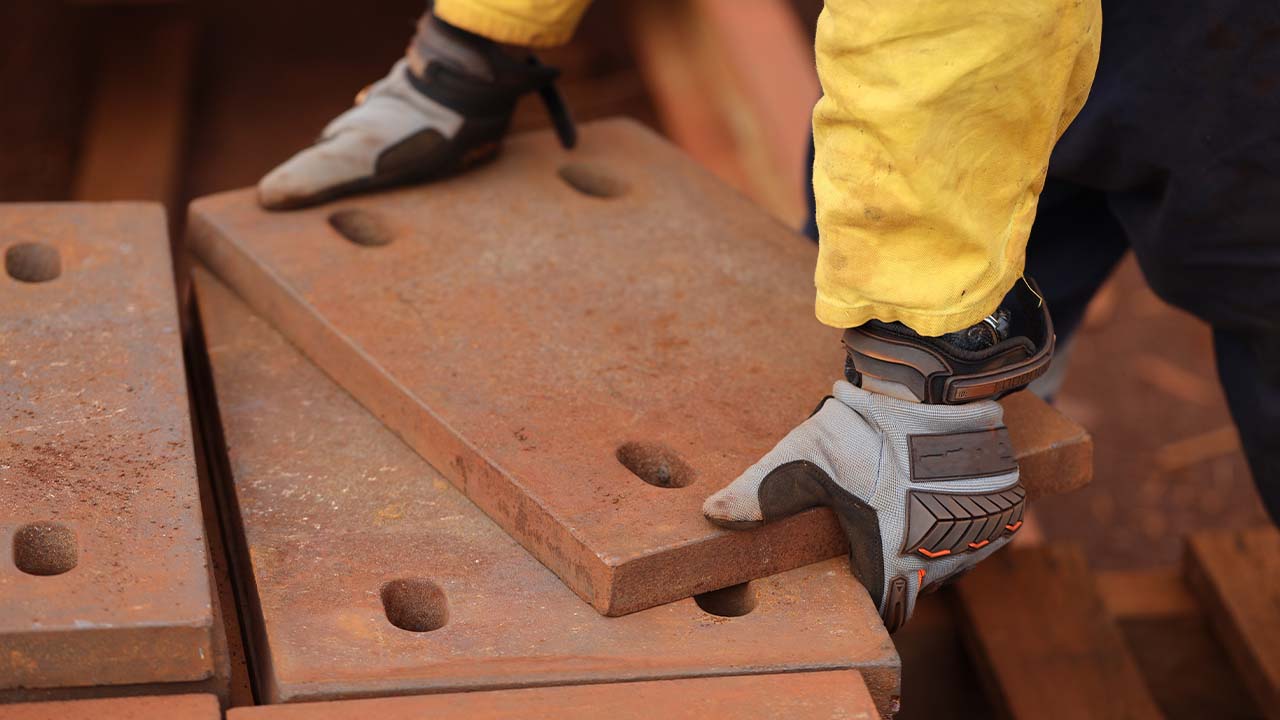
Peligros
How to assess manual handling tasks, lift and carry safely, use equipment, and meet your WHS duties for hazardous manual tasks in Australia.

Peligros
Lone workers face injury, violence and isolation risks, especially in remote areas. Learn the duties that apply and the check-ins and plans to set up.

Peligros
Office ergonomics reduces neck, back, wrist and eye strain. Learn how to set up desks, chairs and screens, and what to document for your WHS duties.
Gestión de la seguridad
What a safe operating procedure (SOP) is, what a good SOP template includes, how to keep an SOP register, and an example for a common tool.

Ley de WHS
What modern slavery means for Australian businesses, the reporting duties under the Modern Slavery Act, and the checks to run on your workers and suppliers.

Peligros
Why machine guarding matters in workshops and plant, the hazards it controls, the types of guard, and the records you need to keep.
Peligros
What causes fatigue at work, why it makes injuries more likely, and the controls employers use, from rosters and breaks to policies, training and reviews.
Gestión de la seguridad
The main safety hazards in commercial cleaning, from chemicals and manual handling to slips and confined spaces, and how to control each one.
Peligros
Manage electrical risks at work: the hazards to look for, the duties and standards that apply, and the controls, testing and emergency steps you need.
Peligros
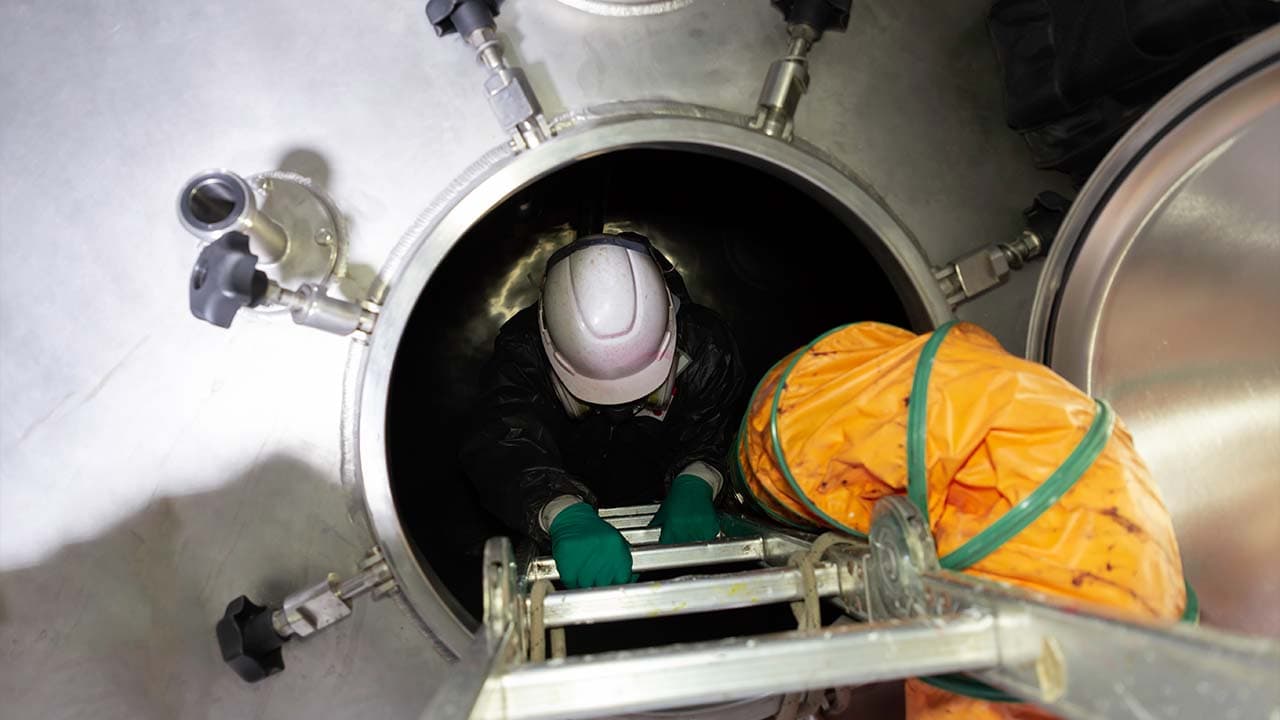
What counts as a confined space in Australia, who has duties, when you need an entry permit and the controls that keep workers safe.

SWMS y JSA
What a SWMS template must include under the WHS Regulations, how to adapt one to the job, and the mistakes that leave a template too generic to use.

Construcción
A construction site management plan sets out how a site runs safely day to day. What to include, how it fits the WHS management plan, and a checklist.
Gestión de la seguridad
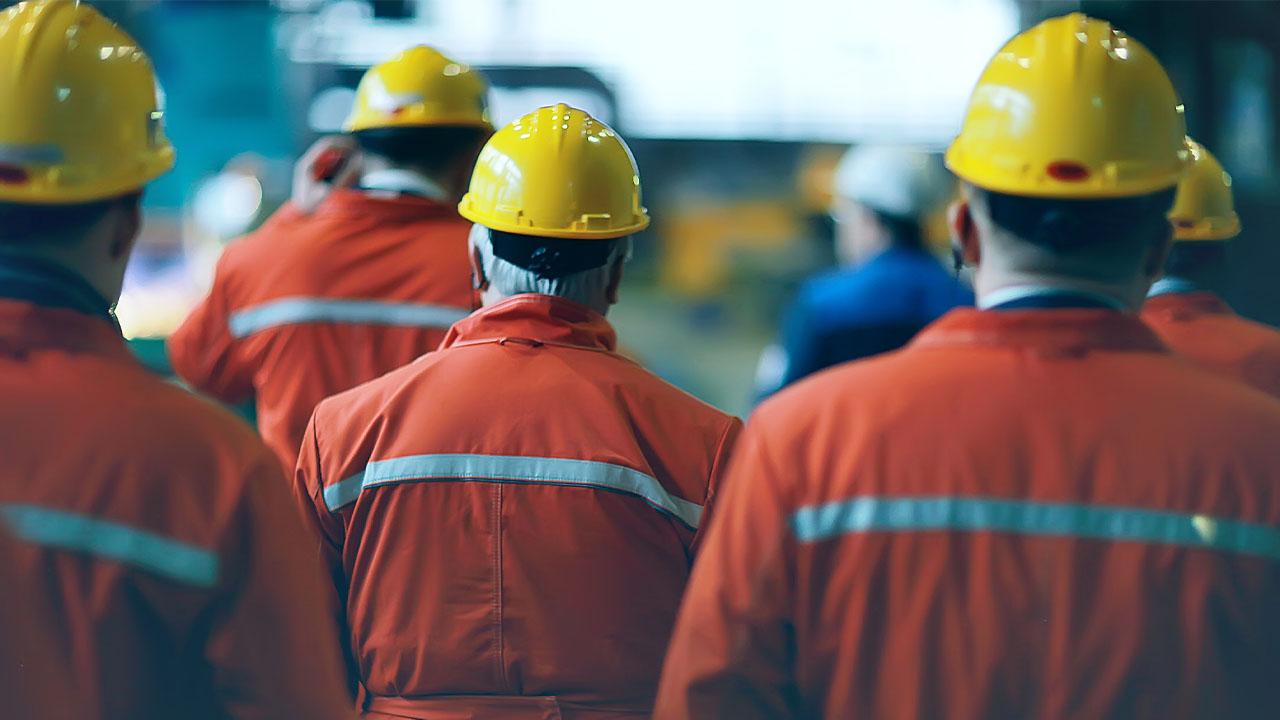
OHSE stands for occupational health, safety and environment. Learn what it covers, how it compares with WHS and OHS, and how to set up an OHSE system.
Peligros
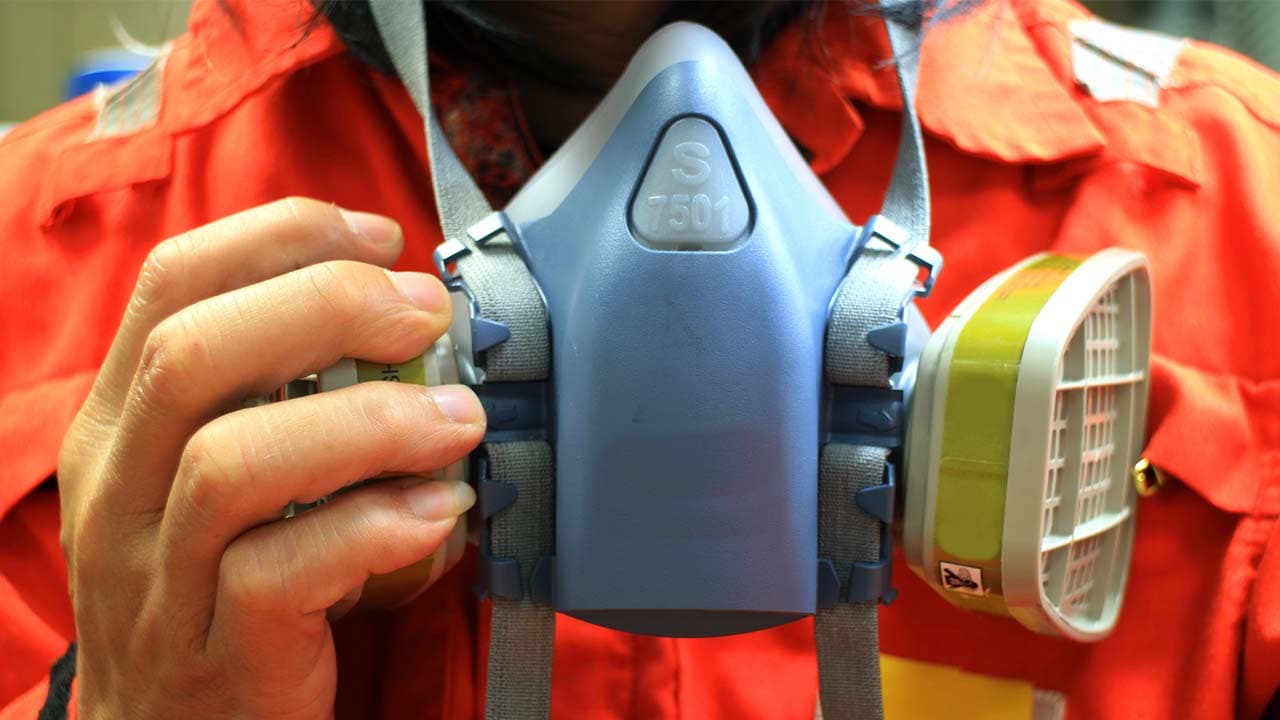
Respirable crystalline silica causes silicosis and lung cancer. Learn which tasks create the dust, the WHS duties that apply and how to control exposure.
Construcción
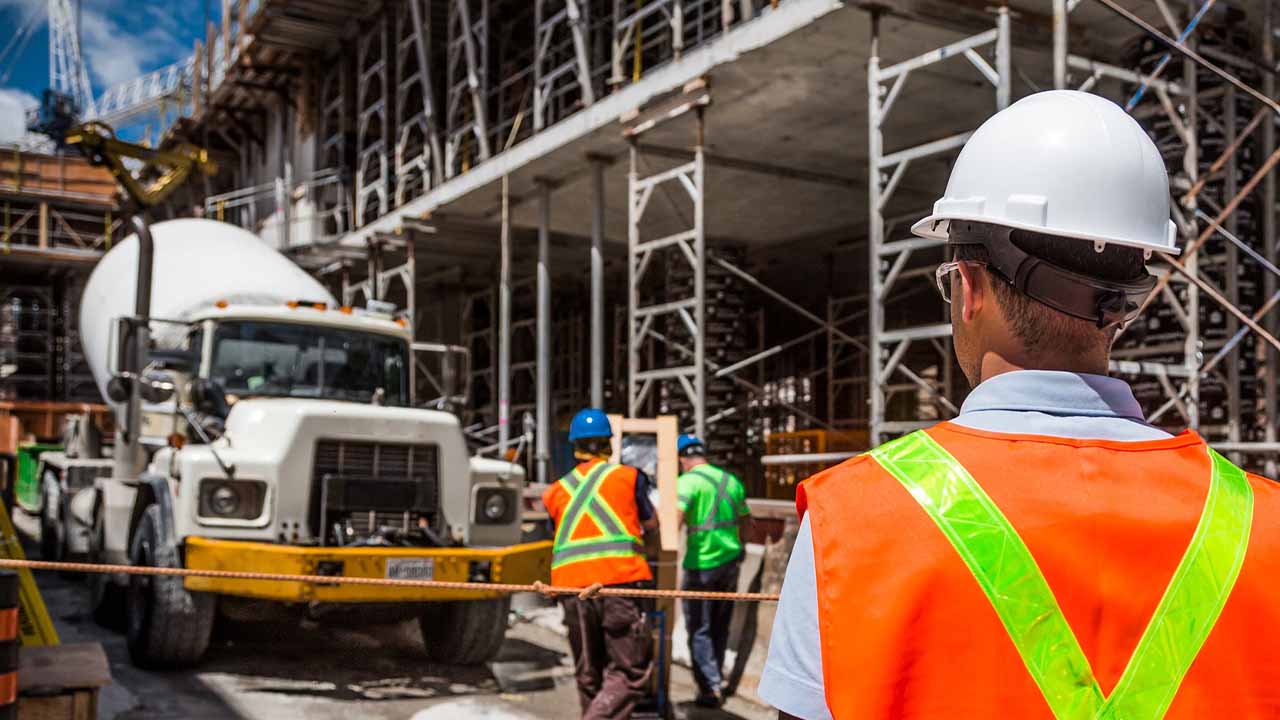
How principal contractors and subcontractors share WHS duties, and the plans, SWMS, inductions and checks that keep contractors safe on site.
Gestión de la seguridad
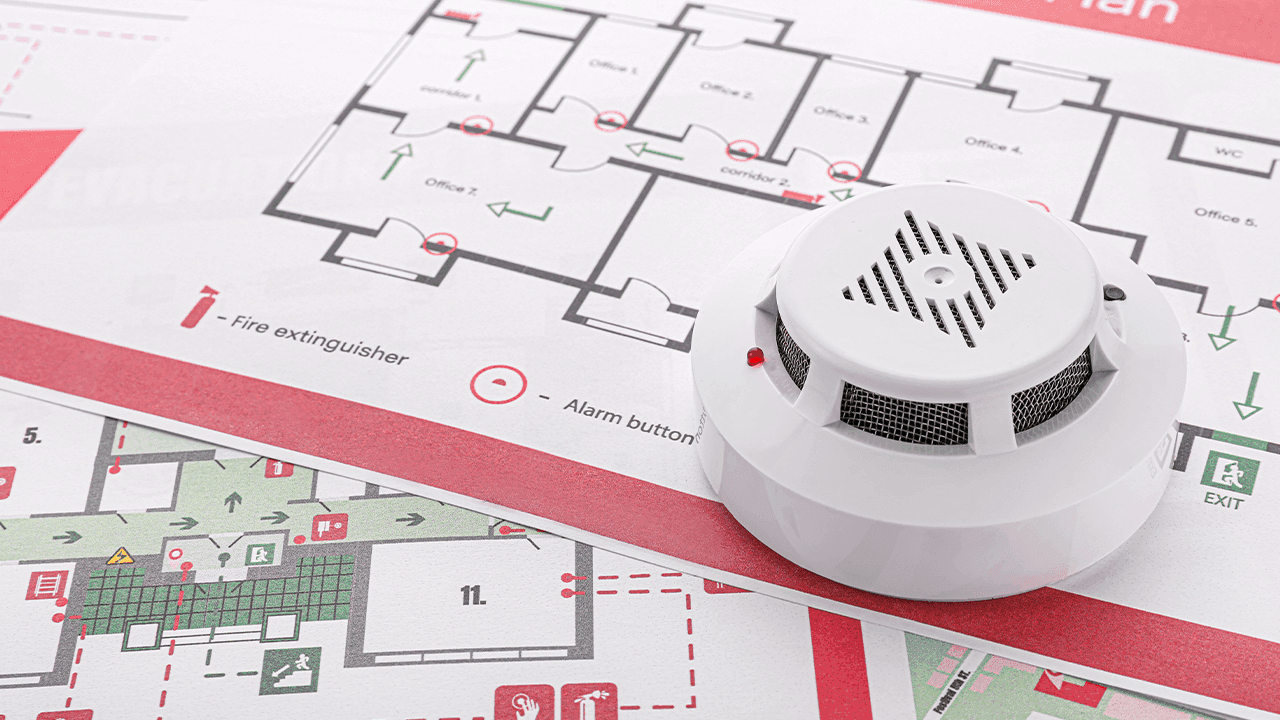
How to implement an emergency response plan: assess your risks, assign roles, write the procedures, train your people and test the plan with drills.

Gestión de la seguridad
How an OHS management system works for offices and business services, what your WHS duties require, how AS/NZS ISO 45001 fits in, and the steps to build one.
Construcción
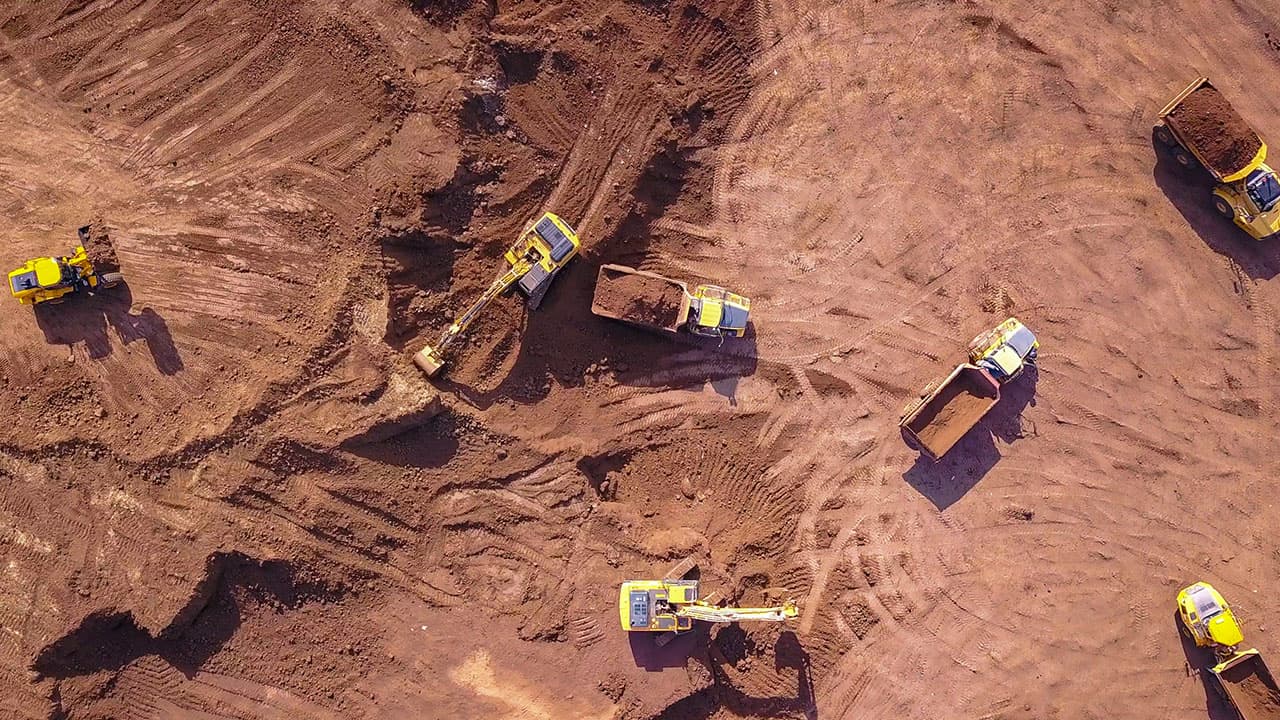
Earthmoving safety on site: the struck-by, rollover, access and mobile plant hazards around excavators and dozers, with the controls and documents to use.

Gestión de la seguridad
The ten documents most businesses need for an integrated management system covering quality, environment and safety, with an example of how they fit together.
Gestión de riesgos
Report a workplace hazard in six steps: describe it, say where and how it could cause harm, suggest a fix, tell your supervisor, record it and follow up.
Ley de WHS
What counts as a notifiable incident in Australia, when you must notify your WHS regulator, and what to do in the hours after a serious incident.

Peligros
Ten practical mobile plant safety tips covering pedestrians, operators, power lines, falling loads, fumes, noise and fire, with the controls for each.
Peligros
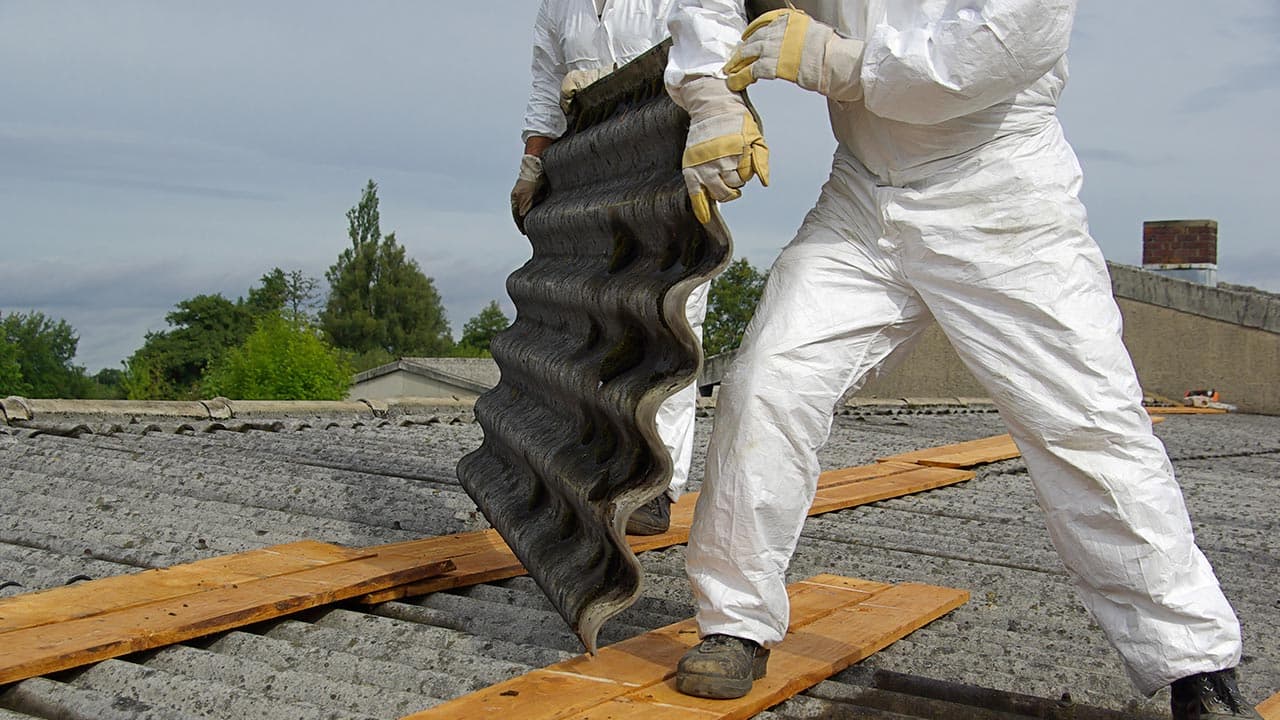
Asbestos removal in Australia: where asbestos is found, the licence classes, WHS duties and the steps to remove it safely without exposing workers.

Peligros
Which mosquito-borne diseases affect Australian workers, what your WHS duties are, and the controls that cut exposure for outdoor and field crews.

Peligros
Where warehouse safety starts: the main hazards, the PCBU's duties, how to manage traffic and pedestrians, and the documents to put in place.
Ley de WHS
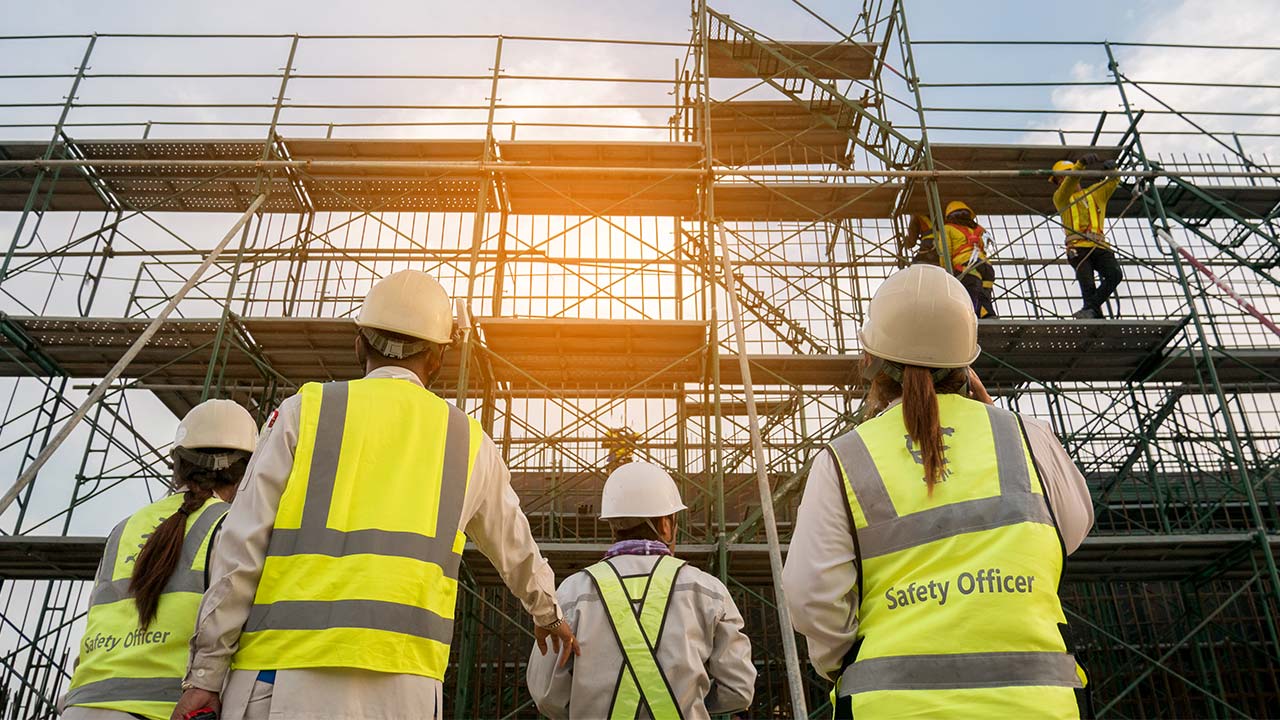
Who holds WHS duties in Australia: the PCBU, officers, workers, health and safety representatives and committees, and what each one must do.
Gestión de riesgos
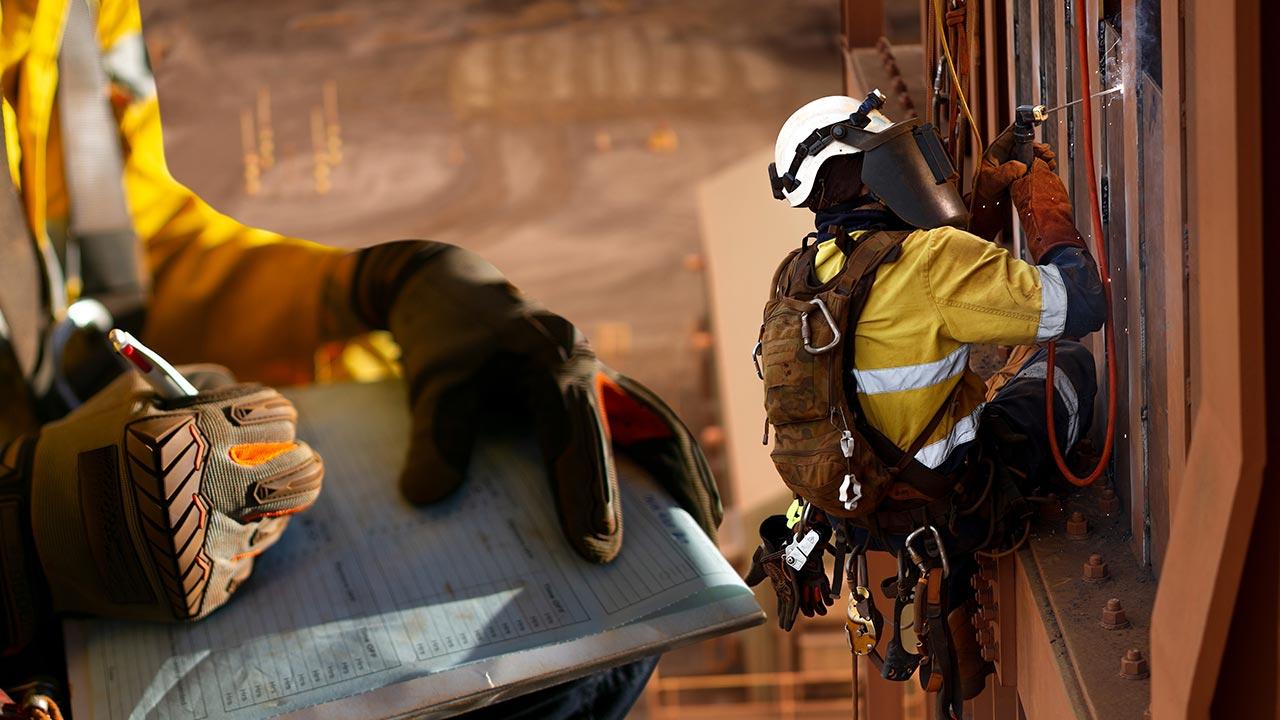
How to manage WHS risks at work: find hazards, assess them, apply the hierarchy of controls, train workers, review controls and learn from incidents.

Peligros
What psychosocial hazards are, how they cause work-related stress, your WHS duties under the model code, and how to identify, control and review them.

Construcción
What a construction safety management plan (WHS management plan) must cover, who owns it, how to write it and how to keep it current on a project.

Ley de WHS
What WHS codes of practice are, how they differ from Acts and regulations, whether they are enforceable and how to find and use the codes that apply to you.
SWMS y JSA
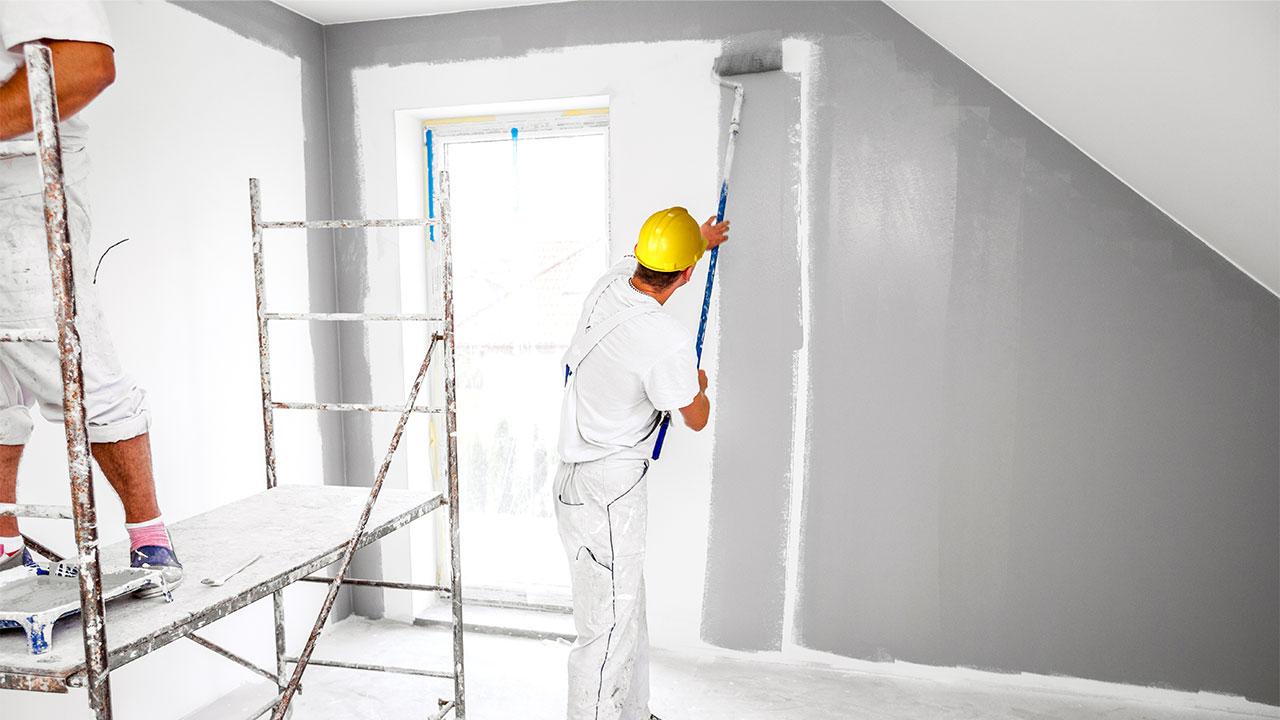
What a painting SWMS must cover: the main painting hazards, the control measures for each, and when a method statement for painting works is required.

Gestión de la seguridad
What an environmental management system is, what ISO 14001 requires, the core elements, and how to start one in an Australian business.

Peligros
How to manage workplace violence and aggression under WHS laws, from what counts and who is exposed to the policies, training and response steps that work.

Construcción
What a traffic management plan is, when you need one, and how it differs from a traffic control plan (TCP) for worksites and public roads.
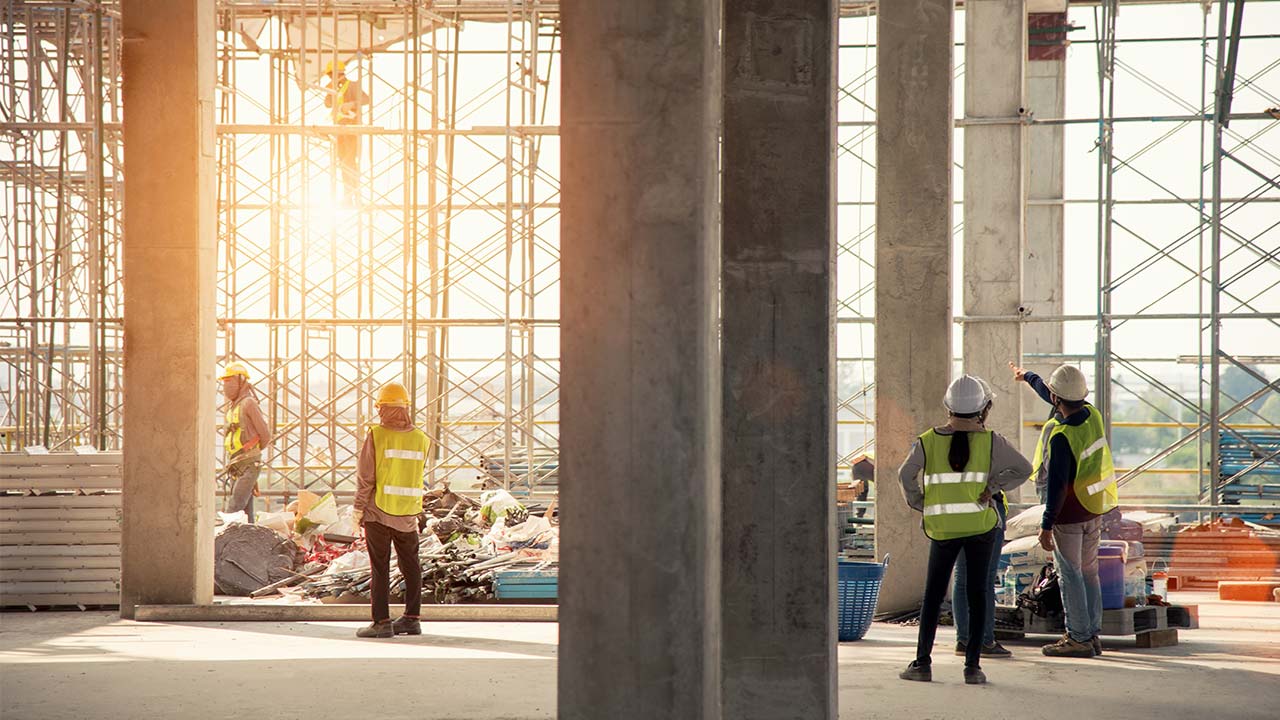
Gestión de la seguridad
What a site induction checklist should cover, how to run an induction for workers and contractors, and how to keep records that show it was done.
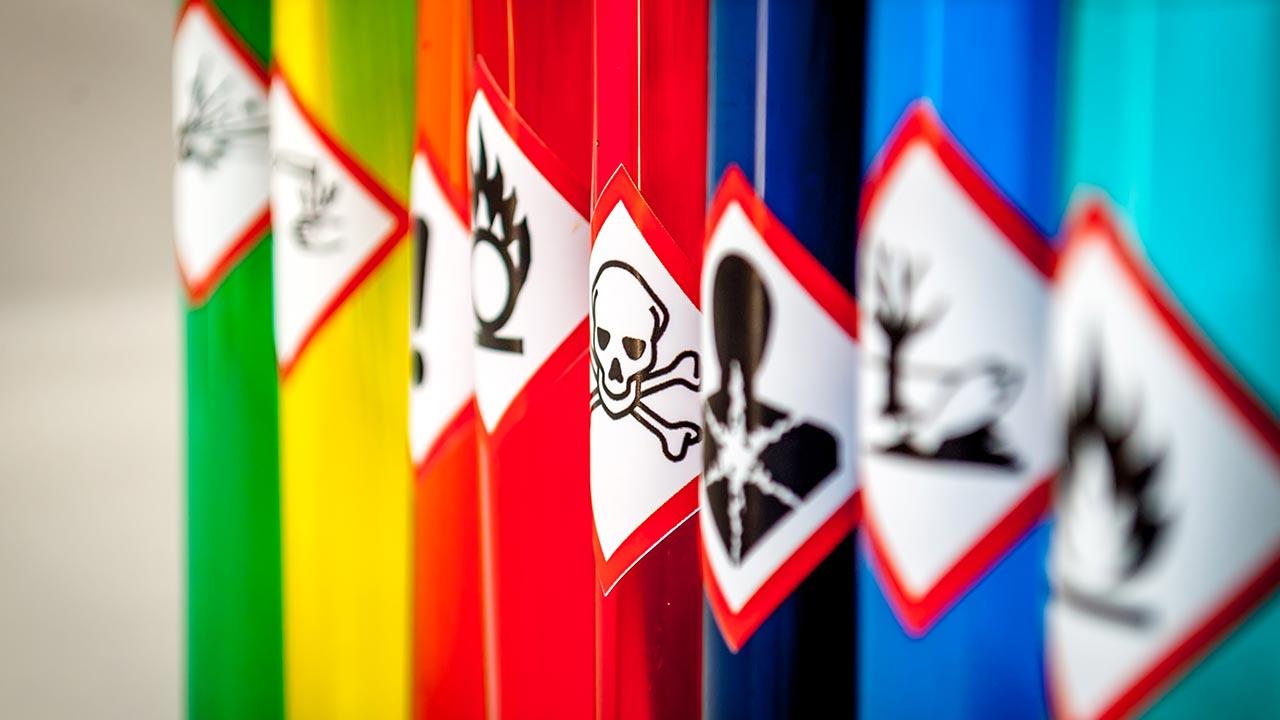
Peligros
Manage chemical hazards at work: label and classify chemicals, keep safety data sheets and registers, control exposure, and store substances safely.
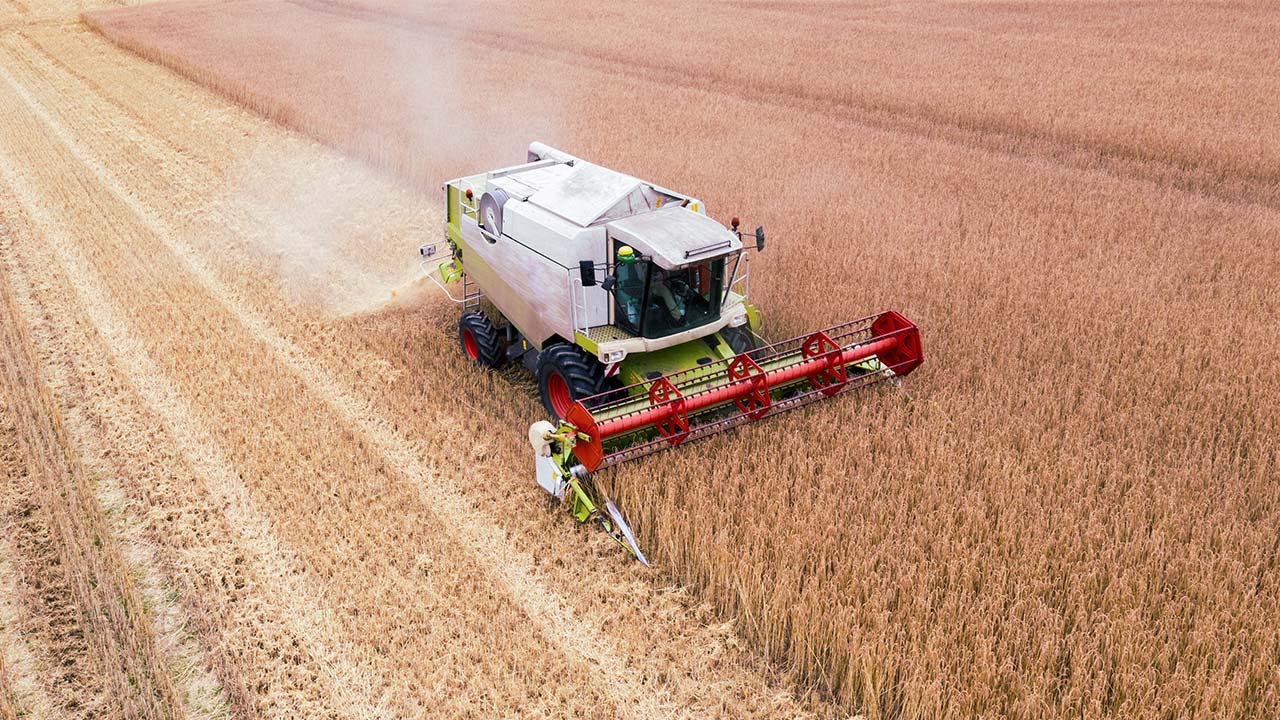
Peligros
The main health and safety hazards on Australian farms, from vehicles and livestock to chemicals and confined spaces, and the controls that reduce them.
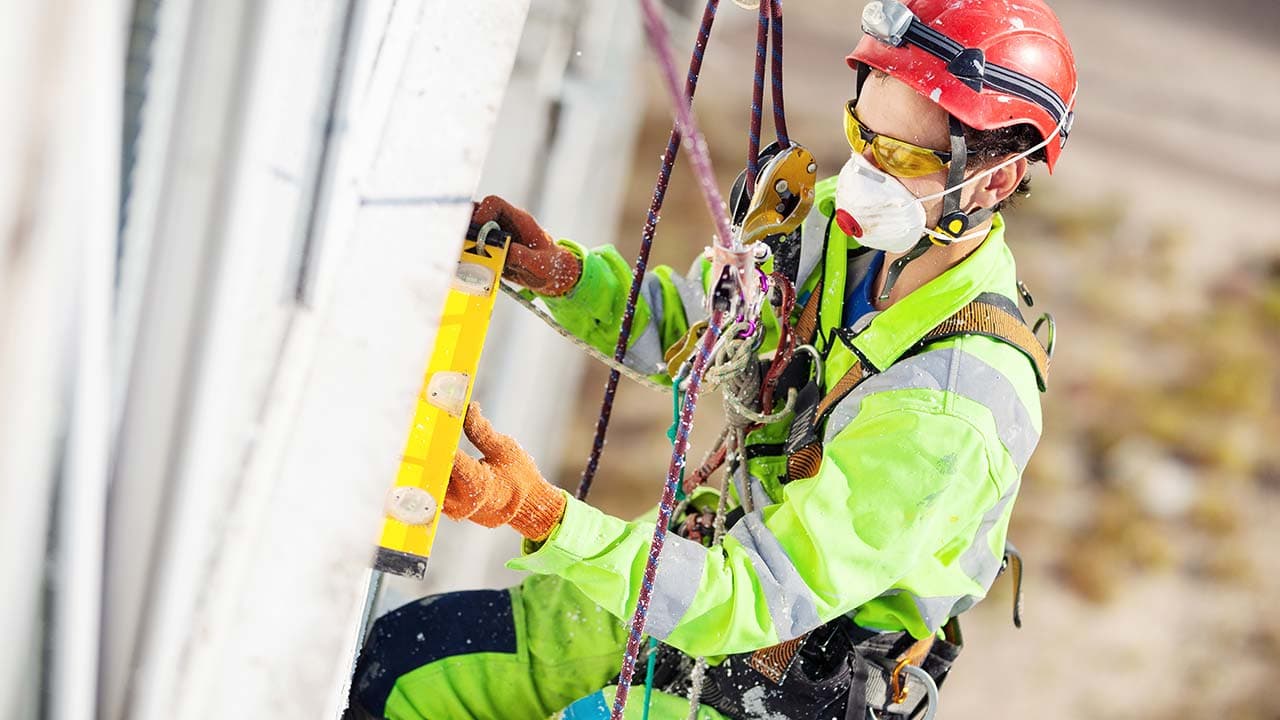
Peligros
How to prevent falls from heights at work: the main hazards, the control hierarchy from guardrails to harnesses, and a fall risk review that keeps working.
Gestión de la seguridad
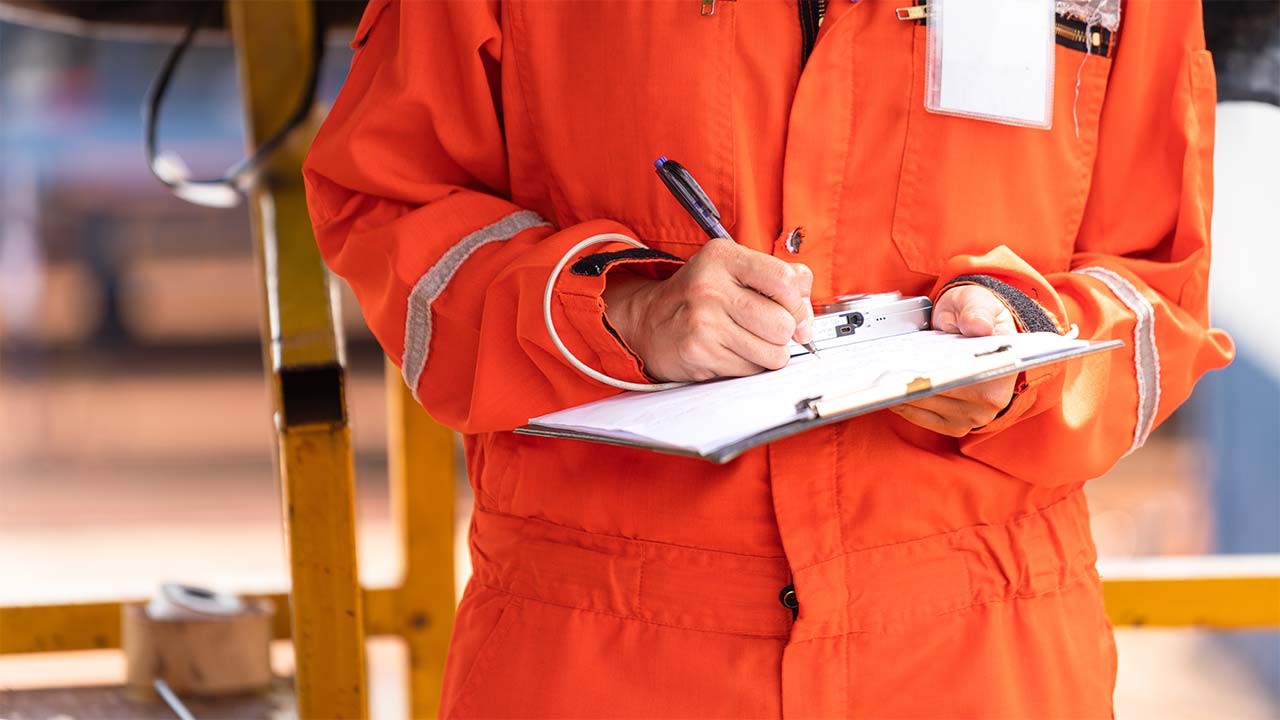
The safety documents most workplaces need, from SWMS and risk assessments to registers and emergency plans, and where a small business should start.
SWMS y JSA
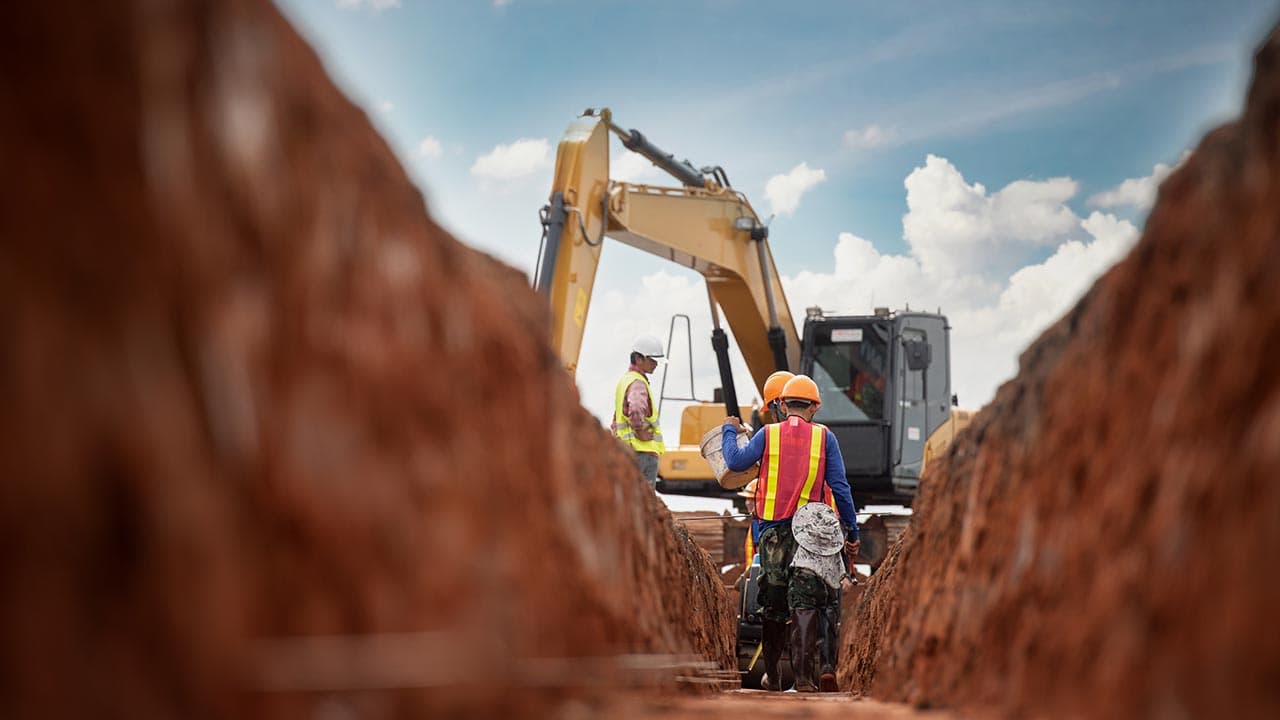
Ten SWMS examples for high-risk construction work, from earthmoving to asbestos, with the hazards each one should cover and where to start.
Biblioteca de plantillas
Explora plantillas de SWMS escritas para los oficios de Australia. Mira la vista previa de cualquiera gratis y adapta una a tu obra en minutos.