Painting SWMS: hazards, controls and what to include
What a painting SWMS must cover: the main painting hazards, the control measures for each, and when a method statement for painting works is required.
Por ahora, este artículo está en inglés.
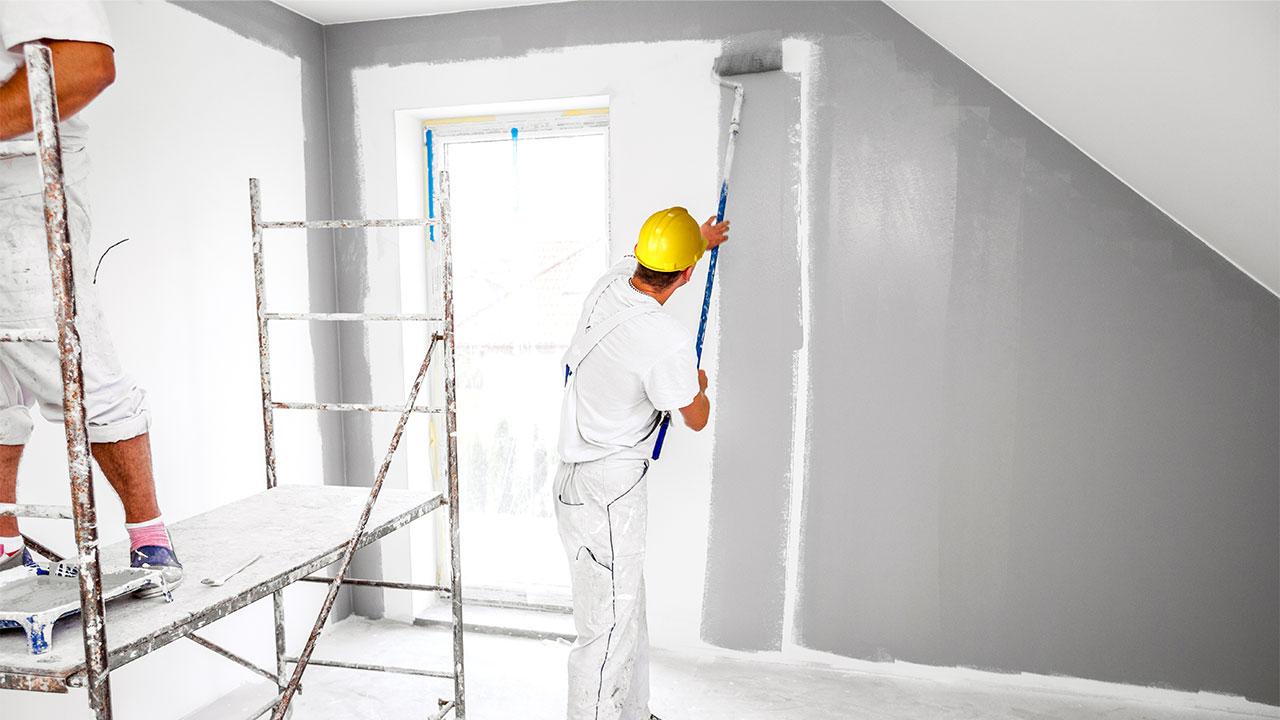
A painting SWMS, or method statement for painting works, is required when the painting is high-risk construction work. Painting itself isn't on the list of 18 kinds, but painting often involves work at height, work near energised electrical lines, or work that disturbs asbestos or lead. Your SWMS should name each hazard, set out the controls for it, and say who checks those controls.
This guide covers when a painting SWMS is needed, the hazards that most often go unmanaged, the controls that work for each one, and what the document must include.
When painting needs a SWMS
A SWMS is required before high-risk construction work starts (regulation 299). The 18 kinds of high-risk construction work are listed in regulation 291 and include work where someone could fall more than 2 metres, work adjacent to a road, work near energised electrical installations, and disturbing asbestos.
A painter working on a two-storey exterior from a scaffold, for example, is doing high-risk construction work. A painter working on a single interior wall from a step ladder may not be, but the risks still need managing. Use the Do I need a SWMS? checker to work out which applies to your job, and check the Safe Work Australia construction guidance for more.
Painting hazards and controls
Painting hazards run from the preparation stage to clean-up. The table below sets out the main ones and the controls that work for each.
| Hazard | Where it comes from | Control measures |
|---|---|---|
| Falls from height | Ladders, scaffolds, elevated work platforms, painting roofs and building exteriors | Use a scaffold or work platform where a ladder won't do; check ladders before use; edge protection on roofs; a fall-arrest system where the work needs one |
| Slips and trips | Spilt paint, wet floors, trailing hoses, coated ladder rungs | Clean spills at once; keep walkways clear; mark wet areas; wipe rungs and footwear |
| Solvent and paint fumes | Thinners, solvents, opened cans, spray coatings | Ventilate the area; use the product with the lowest VOC content that does the job; wear a respirator suited to the product |
| Dust from preparation | Sanding, scraping, abrasive blasting, grinding | Wet-sand where you can; use local exhaust or dust extraction; respirators that fit; clean with a HEPA vacuum rather than sweeping |
| Lead in old coatings | Paint on older buildings, often in bathrooms, windows and trim | Test before you disturb the coating; use lead-safe methods; control the waste; keep food and drinks out of the work area |
| Asbestos in old roofs or walls | Old sheeting, compounds and sealants | Check for asbestos before any sanding or cleaning; stop and get the material assessed if you find it; follow the asbestos SWMS |
| Manual handling | Lifting paint cans, carrying drums, reaching overhead for long periods | Use trolleys for heavy drums; lift with the legs and keep the load close; rotate between overhead and low work |
| Electrical | Power tools, extension leads, wet surfaces, spray equipment near live lines | Use leads rated for the tool and tested; use RCD protection; keep spray equipment and ladders clear of power lines |
| Pressure equipment | Airless spray guns, pressure washers, compressors | Train operators; check hoses and fittings; never point a spray gun at anyone; release pressure before servicing |
A common mistake is writing "PPE as required" against all of these. A respirator does nothing for a fall, and a harness does nothing for fumes. Each hazard needs a control that matches it, and the controls should go in the order of the hierarchy of controls: change the product or method first, then use engineering controls such as extraction and edge protection, and rely on PPE last.
Chemicals and lead
Read the safety data sheet (SDS) for every paint, primer, thinner and cleaner on site, and keep them where the painters can reach them. Some coatings carry risks that aren't obvious from the label, so the SDS should set the PPE and ventilation for each product. Lead-based paint is a particular concern in older homes and commercial buildings. Check the rules that apply in your state before you start stripping or sanding it, and see the lead paint removal SWMS for the controls.
Volatile organic compounds (VOCs) come off paint as gases. Short-term effects include headaches, eye irritation and dizziness, and some VOCs carry longer-term risks. Open products in ventilated areas and close them when not in use. The US EPA guidance on VOCs and indoor air explains the health effects in more detail.
What a painting SWMS must cover
Under regulation 299, a SWMS must identify the high-risk work, specify the hazards and risks, describe the controls, and explain how they'll be implemented, monitored and reviewed. It must take account of the site and be written so the painters can understand it. Our guide on what a SWMS must include has the full checklist. For a painting job that means:
- The work. The areas, surfaces, heights and the method, such as roller and brush from a scaffold, or airless spray on a commercial shopfront.
- The hazards. Each one from the table above that applies to this job, including the products and the surfaces.
- The controls. Specific ones: "a second person holds the ladder and checks the feet", not "use a ladder safely".
- Who does what. Who sets up the scaffold, who checks the respirators, who signs off the lead test, and who clears the area at the end of the day.
- Review. When the SWMS is reviewed: after an incident, when the product changes, or when the site changes.
- Emergency steps. What to do if a painter falls, is overcome by fumes or is hit by a spray leak.
A useful test is whether a new painter could read the SWMS and know what to do on the first morning. If the answer is no, rewrite the vague lines.
Painting templates
Start from a template that matches the work, then add the site details:
- Painting and decorating SWMS for general painting jobs.
- Abrasive blasting and coating SWMS for blasting and protective coatings.
- Hazardous chemicals SWMS for the products on site.
- Air compressor SWMS if you run a compressor for spray work.
- Lead paint removal SWMS for older coatings.
If the job is in a building that might contain asbestos, you'll need the asbestos removal value pack or a SWMS written for that work before anyone starts.
Common questions
Do interior painting jobs need a SWMS? Not always. Interior painting is only high-risk construction work if it involves something on the list, such as work at height over 2 metres, or disturbing asbestos. Other painting still needs its risks managed, usually with a JSA or safe work procedure.
Who prepares the painting SWMS? The business doing the high-risk work must make sure one is prepared before it starts. It's usually written with the supervisor and the painters, and the principal contractor must get a copy on a construction project. Who prepares, signs and keeps a SWMS covers the detail.
Does a painting SWMS need PPE listed? Yes, but PPE should be one control among several. List the specific PPE for each product and task, and make sure the crew knows how to fit and check it.
How often is a painting SWMS reviewed? Review it when the controls change, after an incident, when a new product or method is used, and when a health and safety representative asks for a review (regulation 38).
This is general information, not legal advice. Check the current law with your WHS regulator.
Biblioteca de plantillas
Ponlo en práctica con un SWMS listo para usar.
Explora plantillas de SWMS escritas para los oficios de Australia. Mira la vista previa de cualquiera gratis y adapta una a tu obra en minutos.
Plantillas para este trabajo
- Declaración de método de trabajo seguro (SWMS)EWP, Boom, Cherry Picker and Scissor Lift
- Declaración de método de trabajo seguro (SWMS)Manual Handling
- Declaración de método de trabajo seguro (SWMS)Asbestos Awareness
- Declaración de método de trabajo seguro (SWMS)Handyman
Guías relacionadas
SWMS y JSA
Free 'Do I need a SWMS?' checker for your website
Add our free SWMS checker to your website. Visitors tick the work a job involves and see straight away whether the WHS laws need a SWMS.
SWMS y JSA
What does SWMS stand for? Safe work method statement explained
SWMS stands for safe work method statement. Learn what it is, when the WHS Regulations require one, what it must include and how it differs from a JSA.
SWMS y JSA
SafetyDocs vs simpliSWMS: features and price compared
SafetyDocs vs simpliSWMS: expert-written SWMS, builder and subbie collaboration, free signing for every worker, and a Gold plan at a fraction of the price.