Notifiable incidents in Australia: what to report and when
What counts as a notifiable incident in Australia, when you must notify your WHS regulator, and what to do in the hours after a serious incident.
Por ahora, este artículo está en inglés.
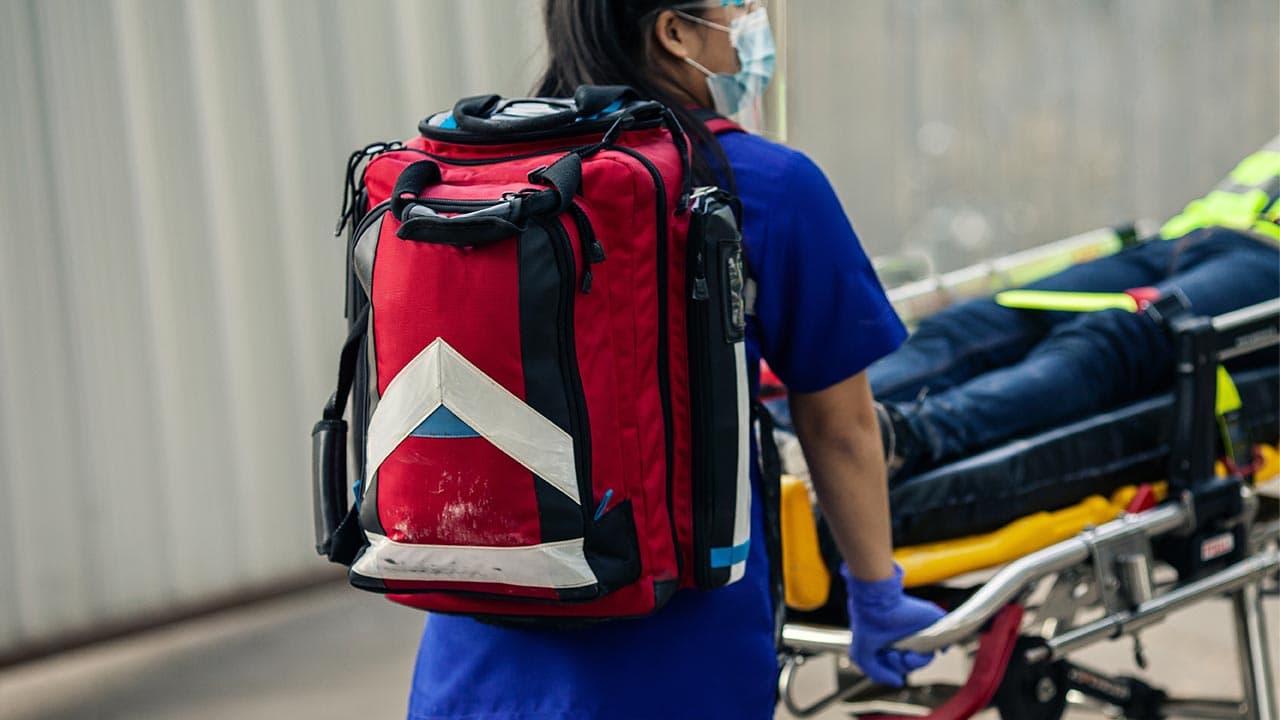
A notifiable incident is a death, a serious injury or illness, or a dangerous incident that exposes someone to a serious risk. You must notify your state or territory WHS regulator immediately, then follow up in writing as the regulator requires, and leave the site undisturbed until an inspector allows you to move things. Knowing these rules before something happens is the difference between a clean response and a missed deadline.
What counts as a notifiable incident?
Under the WHS Act, a notifiable incident is one of three things:
- A death of any person, at the workplace or arising from the work.
- A serious injury or illness. This includes injuries that need immediate treatment as an in-patient in hospital, amputations, serious head or eye injuries, serious burns, spinal injuries, serious lacerations, and any loss of bodily function.
- A dangerous incident that exposes a person to a serious risk, even if nobody is hurt. Examples include an uncontrolled escape, spillage or leakage of a substance, an uncontrolled fire or explosion, an electric shock, and the collapse or failure of plant or structures.
The test for a dangerous incident is the risk, not the outcome. A gas leak that's caught in time can still be notifiable because it exposed people to a serious risk.
| Event | Notifiable? | Why |
|---|---|---|
| A worker dies from a fall at the site | Yes | It's a death arising from the work |
| A worker is admitted to hospital after a fall | Yes | It's a serious injury that needs in-patient treatment |
| A worker cuts a finger and is treated on site with a first aid kit | Usually no | It's a minor injury, not a serious one |
| A hydraulic hose bursts and sprays oil near workers, injuring nobody | Possibly yes | If it exposed people to a serious risk, it's a dangerous incident |
| A chlorine cylinder leaks in a pool plant room, and staff are evacuated | Yes | An uncontrolled release that exposed people to a serious risk |
When you're not sure, treat the event as notifiable and call your regulator. It's much easier to explain a call that turned out to be unnecessary than a call that was missed.
Who has to notify?
The duty applies to the person conducting the business or undertaking (PCBU), and to the person with management or control of the workplace where the incident happened. If you're the one in charge on the day, you need to know what to do, whatever your role on paper.
Notify the WHS regulator for the state or territory where the incident happened. The regulator is WorkSafe in Victoria, SafeWork in New South Wales, WorkSafe in Queensland, and so on. Victoria has its own OHS laws, so check the requirements there specifically.
What to do straight after an incident
The order matters. Work through these steps before you start on paperwork.
- Make the scene safe and check people. Stop ongoing risks, especially near electrical plant or hazardous substances. Make sure everyone is accounted for, and get medical help to anyone who needs it.
- Call emergency services where needed. For a death, a serious injury or a fire, call 000 or the local equivalent first.
- Notify the regulator immediately. The WHS Act requires notification as soon as you become aware of the incident. Use your regulator's phone line, and have the basic facts to hand: what happened, where, when, who was involved and whether anyone is still at risk.
- Preserve the site. Leave the scene as it is until an inspector allows you to disturb it. The exceptions are rescuing people, giving first aid or removing a serious risk.
- Follow up in writing. The regulator will tell you what written notice is needed, and when it's due.
- Record everything. Write down times, who was told, what was done and what was seen, and keep photos where you can.
- Investigate and fix the cause. Find out why it happened, not just what happened, and change the controls where they failed.
What happens after you notify?
The regulator may inspect the site, ask for documents, or open an investigation. Keep your records together, and don't let anyone alter them. Have a clear point of contact who knows the facts and can answer questions.
Review your controls after every notifiable incident. Regulation 38 of the WHS Regulations requires a review when a control isn't working, or when a new hazard or risk is identified. An incident is often both.
Build the procedure before you need it
You can't write a good procedure during the emergency. Put the steps into writing now, with names and numbers.
- Who is responsible for notifying the regulator, and who is the backup?
- What are the regulator's phone and online reporting details for your state?
- Who calls emergency services, and where are the nearest emergency contacts?
- Where is the site plan showing isolation points, plant shutdowns and the first aid kit?
- Who manages communication with workers, families and the public?
Our incident management plan and emergency response plan give you a structure to fill in. Use an incident report form to capture the facts while they're fresh, and an incident register to track what happened over time.
For more on setting up response arrangements, see our guide to implementing an emergency response plan, and our guide to building a safety management system for the wider framework.
How SafetyDocs helps
SafetyDocs gives you the incident forms, registers and plans that a notifiable incident response depends on. Job, client and site details fill in automatically, so the facts go down accurately the first time. Workers report issues on any step with a photo, from any phone, with no app or account needed.
Each job keeps a dated activity log of posts, photos and issues, along with who read and signed each document. When a document changes, everyone who signed is asked to sign the new version, so you can show what procedure was in force when the incident happened. It helps you meet your duties. It doesn't make you compliant on its own, and it doesn't replace notifying your regulator.
Common questions
Do I have to report a near miss? Not usually. A near miss is notifiable only if it's a dangerous incident, meaning it exposed someone to a serious risk. Record and investigate all near misses regardless, because they're the cheapest lessons you'll get.
Is a notifiable incident the same as a workers' compensation claim? No. Notifying the WHS regulator and lodging a workers' compensation claim with your insurer are separate obligations, with separate timeframes.
Can I move equipment after an incident? Only to rescue people, give first aid or remove a serious risk. Otherwise leave the scene undisturbed until an inspector allows you to move things.
What if I'm not sure whether an event is notifiable? Call your regulator and ask. Explain the facts and let them decide. Keep a record of the call.
This is general information, not legal advice. Check the current law with your WHS regulator.
Biblioteca de plantillas
Ponlo en práctica con un SWMS listo para usar.
Explora plantillas de SWMS escritas para los oficios de Australia. Mira la vista previa de cualquiera gratis y adapta una a tu obra en minutos.
Plantillas para este trabajo
- Declaración de método de trabajo seguro (SWMS)Mould Remediation Clean
- Declaración de método de trabajo seguro (SWMS)Working in Roof Spaces
- Declaración de método de trabajo seguro (SWMS)Safety Harness
- Declaración de método de trabajo seguro (SWMS)Mobile Scaffold
Guías relacionadas
Ley de WHS
What does WHS mean? Work health and safety explained
WHS means work health and safety. Learn what it covers, how it differs from OHS and OH&S, which WHS laws apply in each state and who has duties under them.

Ley de WHS
WHS policies and procedures: what every workplace needs
What a WHS policy is, how it differs from a procedure, and the core set of WHS policies and procedures every Australian workplace should have.

Ley de WHS
10 common WHS misconceptions and the facts behind them
Ten common WHS myths, from 'it only applies to high-risk industries' to 'the rules never change', with the facts and what to do about each.