Policy vs procedure: the difference, with WHS examples
A policy says what you'll do and why; a procedure says how, step by step. See the difference between policy and procedure, with WHS examples of each.
Por ahora, este artículo está en inglés.
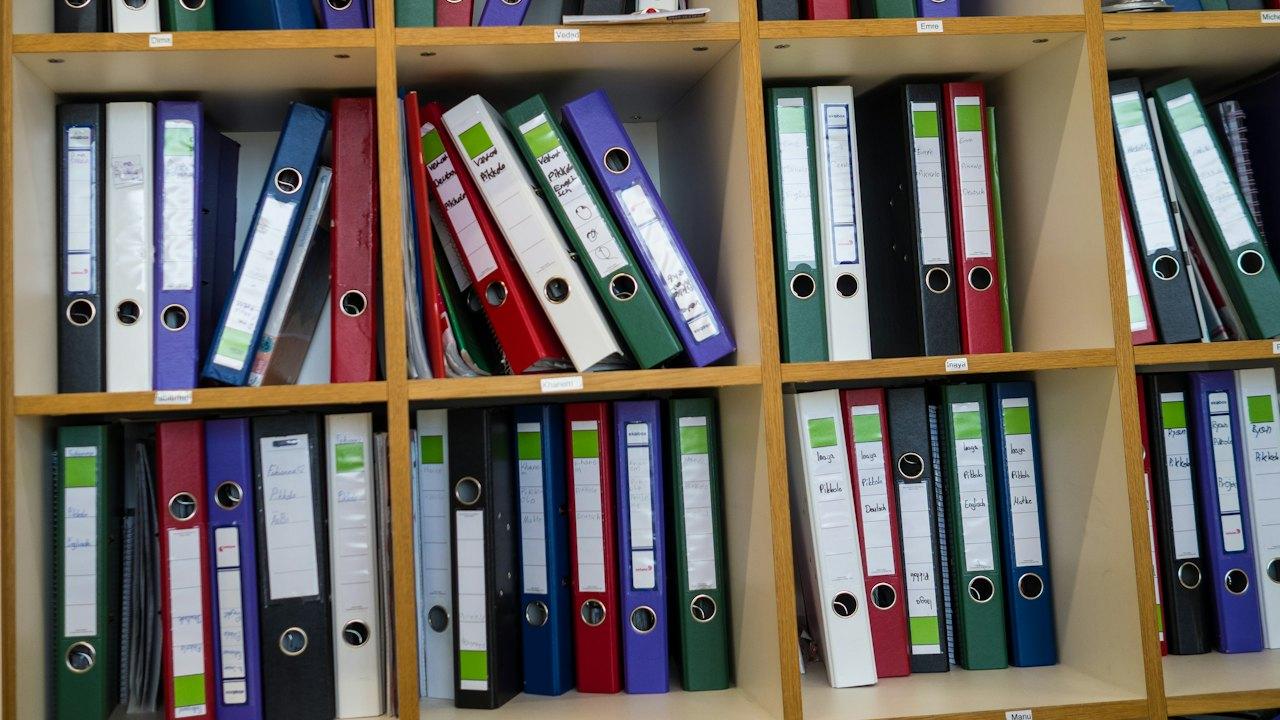
A policy states what an organisation will do and why: its commitment, its rules and who is responsible. A procedure sets out how to do something, step by step. In work health and safety, the policy says you'll report and investigate every incident; the procedure says who to tell, which form to fill in and what happens next.
If you searched "difference between policy and procedure" or "policy vs procedure", that's the short answer. The rest of this page compares them side by side, gives WHS examples of each, and explains where SOPs, work instructions and forms fit.
What is a policy?
A policy is a short statement of intent. It sets the direction, and it changes rarely. A good policy answers four questions:
- What the organisation commits to, such as providing a safe workplace or consulting workers.
- Why it matters to the business.
- Who is responsible for what, from the owner or board down to every worker.
- What rules apply, such as no work under the influence of alcohol or drugs.
A policy doesn't usually tell anyone how to do a task. It's signed by someone with authority over the whole business, and it applies to everyone it names. A WHS policy is the most common example.
What is a procedure?
A procedure turns a policy into action. It sets out the steps for a particular task, process or event, in order, so that everyone does it the same way. A good procedure says:
- what it covers, and when to use it;
- who does each step;
- the steps, in order, in plain words;
- the forms, tools or records involved; and
- what to do if something goes wrong.
Procedures are longer and more detailed than policies, and they change more often, because the way the work is done changes.
What is the difference between a policy and a procedure?
| Policy | Procedure | |
|---|---|---|
| Answers | What will we do, and why? | How do we do it? |
| Level of detail | Broad principles and rules | Specific steps in order |
| Length | Usually a page or two | As long as the task needs |
| Approved by | The owner, director or senior management | The manager responsible for the process |
| Changes | Rarely, when the business's direction or the law changes | Whenever the task, equipment or risk changes |
| Example | "All incidents and near misses will be reported and investigated." | "Make the area safe, tell your supervisor, complete the incident form within the shift." |
One simple test: if you can follow it with your hands, it's a procedure. If it tells you what's expected but not how, it's a policy.
Policy and procedure examples in WHS
Most WHS policies have one or more procedures underneath them. Here are common pairs.
| Policy | Procedure that puts it into action |
|---|---|
| WHS policy | Hazard reporting, consultation and issue resolution procedures |
| Incident reporting policy | Incident reporting and investigation procedure |
| Emergency management policy | Evacuation procedure and emergency drill schedule |
| Drug and alcohol policy | Testing procedure, and what happens after a positive result |
| PPE policy | PPE issue, fit and inspection procedure |
| Contractor management policy | Contractor induction and document checking procedure |
| Fatigue management policy | Rostering and hours-of-work procedure |
Our list of WHS policies and procedures every workplace should have covers the core set and what each should include. The policy library has ready-to-edit versions of most of them.
Where do SOPs, work instructions and forms fit?
Think of safety documents as layers, each more detailed than the one above:
- Policy: what we commit to, and the rules.
- Procedure: how a process runs across the business, such as reporting an incident.
- Safe operating procedure (SOP) or work instruction: how to do one task or run one machine safely, step by step.
- Forms and records: the evidence that the procedure was followed, such as a completed incident report or a signed pre-start check.
A procedure often covers a process that involves several people, while an SOP covers one task done by one person or crew. Our guide to safe vs standard operating procedures explains SOPs in more detail, and the SOP library has SOPs for common plant and tasks.
What does WHS law say about policies and procedures?
The model WHS Act doesn't set out a list of policies every business must write. It sets duties, and policies and procedures are the usual way to meet them and show you have. Under the model WHS Act:
- Safe systems of work. The PCBU must ensure, so far as is reasonably practicable, safe systems of work and the information, training, instruction and supervision workers need (section 19). Written procedures are a common way to set those systems out.
- Workers must cooperate. Workers must cooperate with any reasonable policy or procedure of the PCBU relating to health or safety at the workplace that has been notified to them (section 28). A procedure nobody has been told about doesn't help anyone, so tell workers about each one and keep a record that you did.
- Consultation on procedures. The PCBU must consult workers, so far as is reasonably practicable, when making decisions about the procedures for consulting workers, resolving WHS issues, monitoring workers' health and workplace conditions, and providing information and training (sections 47 and 49).
Some regulations do require a specific written document. For example, the model WHS Regulations require a SWMS before high-risk construction work starts (regulation 299). Check the Regulations for your state for the documents your work needs.
In Victoria, the OHS Act 2004 uses different terms. WorkSafe Victoria's guide to legal duties says employees must cooperate with their employer about any action the employer takes to comply with the Act.
How to write a policy and procedure that work together
- Write the policy first. Keep it short and sign it at the top of the business. It sets the rules the procedures must follow.
- Link each procedure to its policy. Name the policy in the procedure's purpose, so people can see why the steps matter.
- Write procedures with the people who do the work. They know where the real steps and shortcuts are.
- Use plain language and numbered steps. If a step needs a decision, say who makes it.
- Put a version, owner and review date on both. Review procedures when the work, equipment or risk changes, and after incidents.
- Tell people and keep the record. A signed read-and-understood record is the simplest proof a procedure was notified to workers.
Common questions
Which comes first, the policy or the procedure? The policy. It sets the commitment and the rules, and procedures are written to carry them out. If you write procedures first, check them against the policy once it's done.
Can a policy and a procedure be in one document? Yes, especially in a small business. Keep the policy statement at the top and the steps below it, and label each part so readers can tell the commitment from the instructions.
Is a procedure the same as an SOP? Not quite. A procedure usually covers a process across the business, such as incident reporting. An SOP covers how to do one task or operate one piece of plant safely. Many businesses use the terms loosely, which is fine as long as each document is clear about its scope.
Is a WHS policy legally binding? A policy isn't law. But under the model WHS Act, workers must cooperate with reasonable health and safety policies and procedures they've been told about, and the PCBU still has to meet its own duties whatever the policy says.
How often should policies and procedures be reviewed? Review them when the work, equipment, people or law changes, after an incident, and at the regular interval your management system sets.
This is general information, not legal advice. Check the current law with your WHS regulator.
Biblioteca de plantillas
Ponlo en práctica con un SWMS listo para usar.
Explora plantillas de SWMS escritas para los oficios de Australia. Mira la vista previa de cualquiera gratis y adapta una a tu obra en minutos.
Plantillas para este trabajo
Ver la biblioteca de plantillasGuías relacionadas

Gestión de la seguridad
Safe operating procedure vs standard operating procedure
Safe operating procedure vs standard operating procedure: what each means, when you need which, how they differ from SWMS and JSAs, and what a good SOP holds.

Gestión de la seguridad
SOP templates: how to write a safe operating procedure
What a safe operating procedure (SOP) is, what a good SOP template includes, how to keep an SOP register, and an example for a common tool.

Gestión de la seguridad
How we build SafetyDocs, and how we look after you
How we design SafetyDocs: simple, seamless tools for the whole crew, built with the people who use them. Tell us what you'd like next.