Excavation safety: best practice for excavation work
Excavation safety for crews: the cave-in, underground service, atmosphere and plant hazards, when a SWMS is needed, and the controls to use.
이 글은 현재 영어로만 제공됩니다.

Excavation safety means stopping the ground from falling on your crew and keeping workers away from the things they can't see underground. The main hazards are cave-ins, buried services, poor air in trenches, and plant working near people. Controls include a site-specific plan, protection for any trench deeper than 1.5 metres, locating services before digging, and clear entry and exit points. Excavation work that meets the high-risk tests also needs a SWMS before it starts.
This guide covers the hazards, when the rules apply, and the controls to put in place.
The main hazards
Cave-ins and collapse
Ground collapse is the hazard most likely to kill someone in an excavation. Soil is heavy, and a trench wall can fail without warning, especially after rain, near vibration, or when spoil is piled close to the edge. Keep people out of any unsupported trench, and never work underneath an overhang or a face that's been undercut.
Buried services
Power cables, gas mains, water pipes and fibre can all be damaged by digging, and a damaged live service can electrocute or injure the crew. Services aren't always where the drawings say they are, so locate them before any digging starts. Use a service locator, expose services by hand where you're close, and keep mechanical digging well back from marked lines.
Atmosphere and gas
Trenches and confined excavations can have low oxygen, toxic gas or flammable vapour. Gas can come from leaking pipes, from fuel-powered plant, or from decaying material. Test the air before entry, keep ventilation running, and use a gas detector while people are working below ground level.
Plant and mobile equipment
Excavators, loaders and trucks working beside an excavation create two risks: plant rolling near the edge, and collisions with people on foot. The plant risks are covered in our guide to managing plant in the workplace. Keep plant back from edges, use spotters, and set clear routes for workers and machines.
Water, falling objects and falls
Water in a trench weakens the walls and can cause drowning. Falling objects from the spoil heap or the edge can strike people below. Falls happen at the trench edge and on ladders. Pump water out before entry, keep tools and spoil well back from the edge, and put barriers around open excavations.
Hazardous materials
Old excavations can uncover asbestos, chemicals or contaminated soil. If you find material you can't identify, stop and get it tested before anyone touches it. Suspected asbestos must be handled by a licensed removalist where the law requires it.
When excavation is high-risk construction work
Excavation is construction work, and some of it is high-risk construction work under the model WHS Regulations. That's the case when, for example:
- a person could fall more than 2 metres;
- a trench or shaft is deeper than 1.5 metres, or work is done in a tunnel; or
- mobile plant is working where there's a risk of collision between machines, or between a machine and people (regulation 291).
Where the work is high-risk, a SWMS must be prepared before it starts (regulation 299). The SWMS has to describe the excavation's specific hazards, the controls, and how they will be implemented, monitored and reviewed. If you're not sure whether your job is high-risk, use the Do I need a SWMS? checker.
Who is responsible
Duties in the WHS Act apply to everyone involved in the work:
- The PCBU running the excavation has the primary duty of care under section 19. That includes eliminating the risk where possible, and otherwise minimising it. The WHS Act sets out the full framework.
- The principal contractor on a construction project must have a WHS management plan for work worth $250,000 or more (regulation 292). That plan must set out how SWMS are collected, assessed and reviewed (regulation 309).
- Officers must exercise due diligence, which means checking that the excavation's processes actually work (section 27).
- Workers must take reasonable care, follow reasonable instructions and report hazards (section 28).
- Everyone must consult workers on decisions that affect their safety (section 47).
Before you dig: the plan
Planning is the cheapest control you have. Before any digging starts, work through this list:
- Check the site for asbestos. If you're demolishing or disturbing existing structures, find out whether asbestos is present.
- Locate services. Get plans from the asset owners, use a locator and mark the lines on the ground.
- Confirm the method. Decide how the excavation will be made, how deep, how wide and for how long it will stay open.
- Choose protection. Work out whether the walls need support, batters or a trench shield.
- Plan entry and exit. Provide a safe, clear route in and out, such as a ramp or ladder, and keep it clear.
- Plan emergencies. Set out how a cave-in, a gas leak or a fall will be dealt with, and who calls for help.
- Write the SWMS for any high-risk part of the work.
Our excavation management plan and trench excavation SWMS are good starting points for the paperwork.
Protecting the excavation
Once the excavation is open, the walls must be kept from falling in. Common methods include:
- Battering (sloping). Cut the walls back to a slope suited to the soil. Unstable soils need a shallower slope.
- Benching. Cut the walls in steps, which also helps stop soil sliding.
- Shoring. Install props or sheets that hold the walls up.
- Shielding. Use a trench box or similar device, which protects the crew inside it if the walls fail.
Choose the method based on the depth, the soil type, nearby structures and how long the trench will stay open. Rain, vibration and heavy loads near the edge all change the answer. A trench that was safe on Monday may not be safe after a storm on Tuesday.
Keep spoil, materials and plant well back from the edge. The distance depends on the depth and soil, so check the method for the job rather than using a fixed figure.
Daily controls
- Inspect before entry. Check the walls, the edges, the support and the water level each shift, and after any rain or change.
- Test the air. Check for oxygen levels and gases before anyone goes below ground, and keep monitoring while they're there.
- Keep barriers in place. Fence off open excavations and mark them so people on foot don't walk into them.
- Keep the crew in sight. Use a buddy system and check in regularly.
- Stop when the ground moves. Cracks, bulging walls, water seeping in or unusual noise mean everyone gets out until the wall has been checked and made safe.
Protective equipment and emergency gear
Personal protective equipment is the last line of defence, but it's still needed:
- hard hats, high-visibility clothing and safety boots;
- eye protection and gloves;
- hearing protection around plant;
- respiratory protection where dust or fumes are present;
- fall-arrest equipment, with anchors, where a person could fall from an edge or ladder.
Keep emergency gear close to the work. That includes a rescue harness and lifeline for anyone entering a trench, a gas detector, a first aid kit, and a way to call emergency services from site. Our guide to emergency response plans explains how to write one.
Training and supervision
Workers need training for the specific excavation, the equipment they'll use and the controls on the job. Operators of plant need the right licence or competency for the machine. Supervisors need enough excavation experience to spot a hazard and stop the work when it's unsafe. Check the state or territory requirements for the work you're doing.
Every construction worker needs a general induction card (commonly called a 'white card'), which must be shown on request.
How SafetyDocs helps
SafetyDocs has 1,250+ expert-written templates for excavation, including SWMS, management plans and inspection checklists. The job, client and site details fill in automatically. The builder can comment on the exact line and approve the document before it goes out. Workers sign on any phone with no app or account, and when a document changes, everyone who signed is asked to sign the new version.
Common questions
When is a SWMS needed for excavation? When the excavation is high-risk construction work. Examples include a trench or shaft deeper than 1.5 metres, work where a person could fall more than 2 metres, and mobile plant near people.
How deep does a trench need protection? Trenches deeper than 1.5 metres need protection against collapse. Check the method for the soil and the job, since shallower trenches can still be dangerous in poor ground.
Who is responsible for locating underground services? The business doing the digging is responsible for finding out where services are and avoiding them. Ask the asset owners for plans and use a locator before any digging starts.
Can a worker go into a trench after rain? Not until someone competent has inspected the walls, the support and the water, and made sure the trench is safe to enter.
This is general information, not legal advice. Check the current law with your WHS regulator.
템플릿 라이브러리
이제 바로 쓸 수 있는 SWMS로 직접 적용해 보세요.
호주 업종에 맞게 작성된 SWMS 템플릿을 둘러보세요. 어떤 템플릿이든 무료로 미리 보고, 몇 분 만에 내 작업에 맞게 고칠 수 있습니다.
이 작업을 위한 템플릿
- 안전 작업 방법서(SWMS)Electrical New Installation
- 안전 작업 방법서(SWMS)Concrete Slab on Ground
- 안전 작업 방법서(SWMS)Bulk Excavations
- 안전 작업 방법서(SWMS)Rough-in Final Fit-out Plumbing
관련 안내서
건설
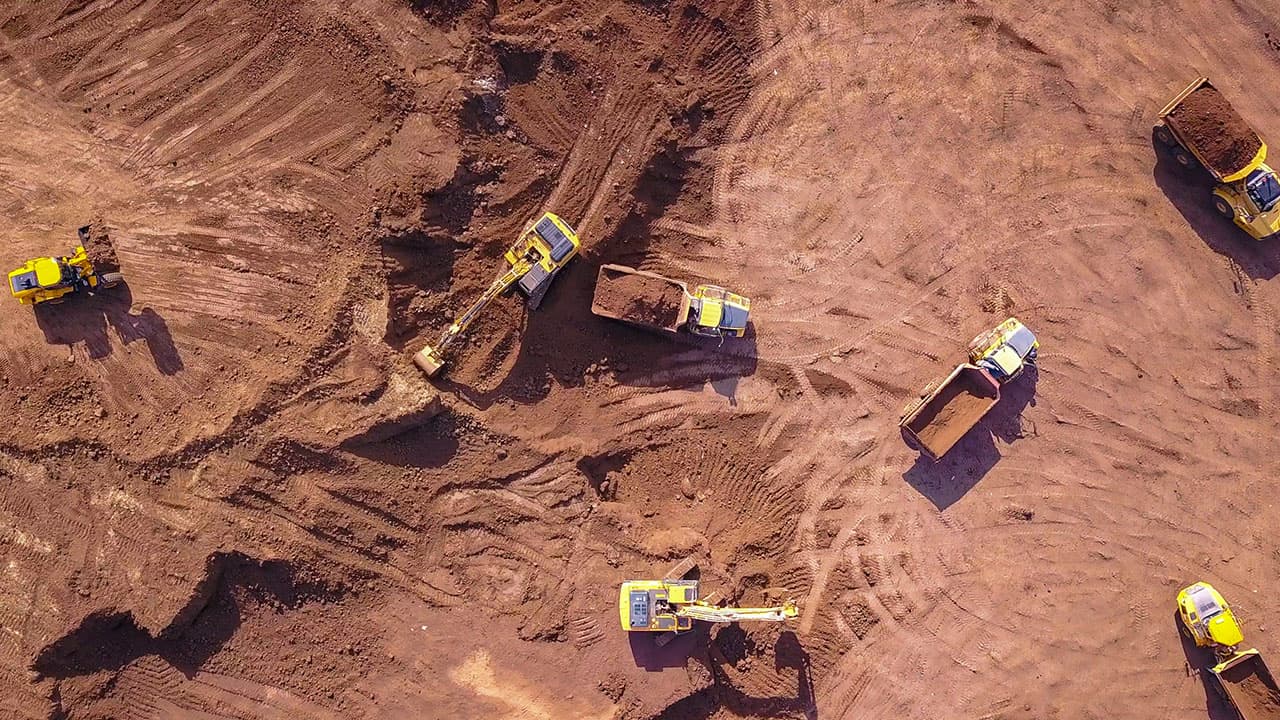
Earthmoving safety: how to work around heavy plant
Earthmoving safety on site: the struck-by, rollover, access and mobile plant hazards around excavators and dozers, with the controls and documents to use.
건설
What is an ITP in construction? Inspection and test plans
ITP stands for inspection and test plan. Learn what an ITP is in construction, what goes in one, how hold and witness points work, and how to write one.
건설
Top 10 safety forms every site supervisor should have
The 10 safety forms a site supervisor needs, from pre-start checks and inductions to incident reports and contractor sign-in, and what each one is for.