Unsafe work practices: 10 to avoid and how to prevent them
Ten unsafe work practices behind many workplace injuries, from skipped PPE and lockout steps to horseplay and unreported near misses, and how to stop each.
이 글은 현재 영어로만 제공됩니다.
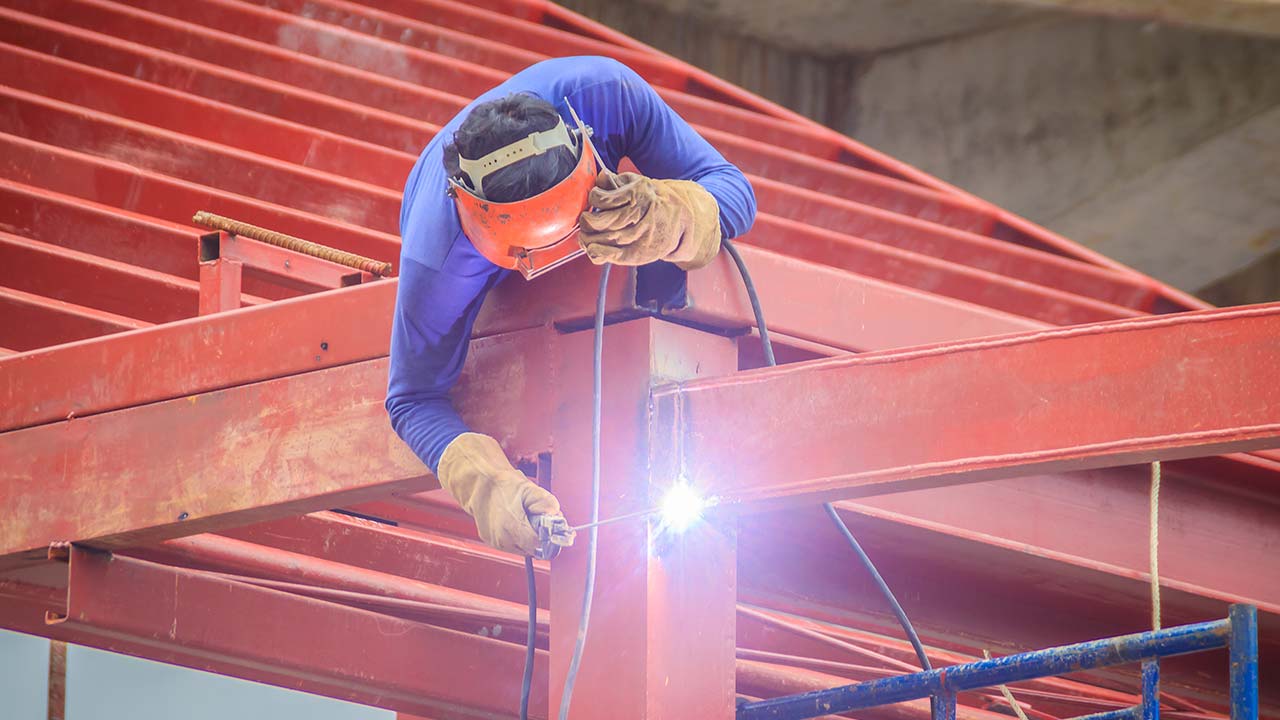
Unsafe work practices are behaviours that put people at risk: skipping a step, using the wrong tool, ignoring a guard or not reporting a problem. Most come from shortcuts taken under time pressure, poor training or a belief that it won't happen here. You can prevent most of them with clear procedures, the right equipment, supervision that checks the work, and a crew that feels able to speak up.
This guide covers ten practices that come up again and again on Australian worksites, what they look like in practice, and how to stop them.
1. Not wearing the right PPE
Personal protective equipment (PPE) protects against chemical splashes, flying debris, loud noise, electrical shock and falls. Workers skip it when it's uncomfortable, doesn't fit, or they've been told it's optional. Others wear it incorrectly, such as a dust mask that doesn't seal or safety glasses pushed up on the forehead.
To stop it:
- Do a risk assessment for each task to decide which PPE is needed
- Make sure PPE fits, is in good condition and is available when needed
- Show workers how to put it on, use it and check it, not just what to wear
- Supervise the start of each task, and correct people on the spot
If you're sourcing PPE, Mitti Supply stocks a range of safety gear.
2. Skipping established procedures
Procedures are step-by-step instructions for tasks that can hurt someone if done wrong. Skipping steps is common when a job is running late. A worker might not lock out a machine before clearing a jam, or may enter a confined space without the gas test. Lockout, confined space entry, fall protection and hazardous materials handling are the kinds of procedure most often skipped.
To stop it:
- Write clear procedures that match how the work is actually done
- Train people on why each step matters, not just what the step is
- Check the work against the procedure, and act on deviations
- Review the safe work method statement before starting high-risk work
Where the work is high-risk construction work, a SWMS is a legal requirement under the WHS Regulations, and the work must follow it. See regulation 300: if the work doesn't follow the SWMS, it must stop.
Our guide to lockout/tagout procedures explains how to isolate energy safely.
3. Working in an unfamiliar area
Hazards are harder to see in places people don't know well: under a site, behind a wall, on a roof they haven't worked on, or in a plant room they only visit occasionally. Excavation is a common example. A worker who doesn't check for buried services can hit a power cable or a gas line.
To stop it:
- Check the site before work starts: services, overhead lines, ground conditions and access
- Use the right detection and safety equipment, such as cable locators, barricades and warning signs
- Brief anyone new to the area, including visitors and contractors
- Don't start work until you know what's there
4. Using the wrong or faulty tools
A hammer with a loose head can fly off. A ladder that's too short can throw a worker off balance. Workers take shortcuts with tools too, such as removing a guard because it's in the way, or lifting something they shouldn't rather than getting help.
To stop it:
- Inspect tools and equipment before use, and tag out anything faulty
- Train people in the correct use of each tool and machine
- Keep guards in place, and report any that have been removed or damaged
- Use engineering controls, such as machine guards and ventilation, where they fit the task
- Give workers the right equipment for the job, such as a trolley or hoist, so they don't have to improvise
Our guide to plant safety covers the controls for machines and equipment in more detail.
5. Handling hazardous materials carelessly
Asbestos, lead, silica dust and flammable chemicals are common on construction, manufacturing and agricultural sites. Problems start with simple things: a container with no label, chemicals stored next to incompatible substances, or a safety data sheet (SDS) nobody has read.
To stop it:
- Keep an up-to-date register of hazardous chemicals
- Check that every container is labelled and that workers can read the labels
- Store chemicals according to the SDS, including temperature and separation
- Check the SDS before using a new product, and keep copies where people work
- Use the right PPE, and train workers in spill and exposure procedures
Our guide to the role of safety data sheets in hazard communication explains how to read an SDS.
6. Working in awkward postures or lifting incorrectly
Repetitive movements, bending, reaching overhead and lifting heavy loads cause musculoskeletal disorders, such as back pain, neck pain, tendon problems and carpal tunnel syndrome. These injuries build up over time, so they're easy to ignore until they become serious.
To stop it:
- Identify the tasks with the highest load: lifting, bending, repeated movements
- Reduce the load with carts, hoists, lifting aids or a second person
- Set up workstations to suit the people who use them
- Rotate tasks and build in short breaks
- Teach correct lifting technique, and check it's being used
The manual handling management plan is a useful starting point for planning these controls.
7. Operating machinery without training
Forklifts, cranes and excavators can cause serious injury when operated by someone who isn't trained or licensed to use them. Collisions, tipping, entanglement and struck-by injuries are common. So are equipment damage and lost production.
To stop it:
- Train and authorise every person before they operate machinery, and keep records
- Cover start-up, shut-down, load limits, controls and emergency procedures
- Check licences and competencies where a licence is required
- Do a pre-start check of the machine each day, using a plant pre-start checklist
8. Tampering with safety devices
Emergency stop buttons, fire alarms, sprinklers and warning signs exist for a reason. Workers sometimes disable them because they're in the way, slow the job down or go off too often. A disabled emergency stop can cost lives when something goes wrong.
To stop it:
- Inspect and test safety devices on a schedule, and keep the results
- Tag out any device that isn't working, and fix it before the work resumes
- Make it clear that tampering is a serious breach of policy
- Encourage people to report tampering, and follow up on every report
9. Horseplay
Joking around on site can turn into a fall, a crush injury or an amputation. Pushing a colleague near an edge, or using a machine while distracted, has caused deaths.
To stop it:
- Set a clear policy that horseplay is not allowed, and apply it consistently
- Have supervisors watch the work areas, not just the paperwork
- Address it on the spot, and follow up with the person involved
- Talk about it in toolbox talks, using real examples from your industry
Where workplace behaviour creates a risk to health and safety, the workplace violence prevention plan gives you a structure for managing it.
10. Not reporting unsafe conditions or near misses
Near misses are warnings. A slipped load that didn't land on anyone, or a guard that's come loose, is a signal something needs fixing. When workers don't report these, the same problem waits for the next person, and the next incident is often worse.
People stay quiet because they don't see something as a hazard, they're worried about blame, or they think nothing will change.
To stop it:
- Make reporting easy, with a form, a phone photo or a verbal report to the supervisor
- Give options for anonymous reporting where possible
- Respond to every report, and tell the person what you did about it
- Recognise people who report, not just people who avoid incidents
- Record incidents and near misses on an incident report form, and review them for patterns
Our guide to how to report a hazard in the workplace sets out what a good report looks like.
Why this matters for your duties
Under the WHS Act, a person conducting a business or undertaking (PCBU) must keep workers and others safe so far as is reasonably practicable. That duty can't be transferred to someone else (section 14). Workers also have duties: they must take reasonable care of their own safety and of others, and follow reasonable instructions (section 28). Most unsafe practices fall into the gap between what a business has set up and what happens on the day, so supervision and feedback matter as much as the paperwork.
Common questions
What are the most common unsafe work practices? Skipping PPE, skipping procedure steps, using the wrong tools, and working in unfamiliar areas without checking the hazards are among the most common. Each one usually comes down to a shortcut under time pressure or a gap in training.
How do I know if a practice is unsafe? Ask whether the task is done the way the procedure says, whether the person has been trained, and whether the controls are in place and working. If any answer is no, it's unsafe.
Can workers be disciplined for unsafe practices? Yes, under your workplace policies, as long as the policy is clear and applied consistently. Discipline works best when it sits alongside training, supervision and a culture where people can report problems.
Should I write a SWMS for every task? No. A SWMS is required for high-risk construction work. For other tasks, a risk assessment and a safe operating procedure are usually enough.
This is general information, not legal advice. Check the current law with your WHS regulator.
템플릿 라이브러리
이제 바로 쓸 수 있는 SWMS로 직접 적용해 보세요.
호주 업종에 맞게 작성된 SWMS 템플릿을 둘러보세요. 어떤 템플릿이든 무료로 미리 보고, 몇 분 만에 내 작업에 맞게 고칠 수 있습니다.
이 작업을 위한 템플릿
- 양식, 등록부 또는 체크리스트Incident Report Form
- 관리 계획서Manual Handling Management Plan
- 관리 계획서Workplace Violence Prevention Plan
- 양식, 등록부 또는 체크리스트Plant-Equipment Prestart Checklist
관련 안내서
안전 문화
Toolbox talk topics for construction and trades
Over 50 toolbox talk topics for construction and trades, grouped by hazard, with the point to make on site and how to pick this week's topic.
안전 문화
What is a toolbox talk? How to run one that actually works
A toolbox talk is a short safety meeting held on site. Learn what it covers, how to run a 5 to 10 minute talk your crew engages with, and how to record it.

안전 문화
Beyond safety compliance: building a real safety culture
What a safety culture looks like on site, why compliance alone falls short, and five leadership steps from SafeWork Australia to build one that lasts.