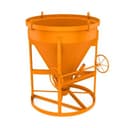
Concrete Kibble
- Company doing the work
- [Company]
- Business contact
- —
- Phone #
- —
- Responsible person (for monitoring SWMS and work)
- —
- Signature
- —
- Date
- —
- Contact phone #
- —
- Principal contractor (PC)
- [Principal contractor]
- PC address
- —
- PC phone #
- [PC phone]
- Date SWMS provided to PC
- —
- Job site address
- [Site address]
- Part of a construction project
- —
- Developed by
- —
- Authorised by
- —
Site management plan
If the work is part of a construction project, this SWMS must align with the requirements of the site management plan in place for the project.
High-risk construction work (HRCW)
This work involves the following high-risk construction work (HRCW). The job steps that involve it are marked HRCW in the hazard table.
- FallsRisk of a person falling more than two metres. Note: in some jurisdictions this is three metres.
- Energised ElectricalWork on or near energised electrical installations or services
- Mobile PlantWork in an area where there is any movement of powered mobile plant
Working with a risk of a fall over 2 metres
The fall from height hierarchy of control level considered when establishing controls:
- L1Work on the ground or solid construction, not chosen
- L2Use a passive fall restraint system, e.g. guard rails, scaffolding, EWP, not chosen
- L3Use a work positioning system, e.g. travel restraint, rope access, not chosen
- L4Use a fall arrest system, e.g. safety harness, catch platforms, not chosen
- L5Implement administrative controls, e.g. signage or instruction, not chosen
No level has been chosen yet.
Planning and preparation
Planning
Liaise with the principal contractor to identify on-site safety systems and procedures.
Establish supervisory and communication arrangements.
The principal contractor confirms emergency response procedures are in place.
Hold points
Hold points are identified and signed off before work continues: (specify the hold points)
Training and licences
All workers hold a general construction induction card.
Relevant workers hold the relevant certificates of competency, licences and training. Record them for each worker on the SWMS sign-off.
A trained first aider is on site.
All workers are trained in site-specific emergency and evacuation procedures, this SWMS, safe work procedures and safety data sheets.
Worker duties and responsibilities
Be fit for work, i.e. no signs of fatigue, alcohol or drugs.
Attend all site inductions and briefings.
Comply with all site requirements, e.g. PPE and traffic management plans (TMP).
Only carry out work related to the contract.
Inspect completed work and report possible safety, environmental and quality matters to the supervisor.
Monitoring and review
Everyone involved in the task must have this SWMS communicated to them before work starts.
Review this SWMS, and amend it if necessary, in consultation with the relevant people after any near miss or incident.
If additional site hazards are identified, review this SWMS and amend the control measures to suit.
Inform everyone affected by revisions to this SWMS, including workers, contractors and subcontractors, as soon as possible.
Give the principal contractor a copy of the revised SWMS.
The site supervisor monitors the work against the controls in this SWMS.
Keep this SWMS on-site and available for inspection or review.
Keep a record of this SWMS until the job is complete, or for two years if it was involved in a notifiable incident.
Regardless of any other factor, the person in control of the workplace must review this SWMS at least annually.
Site-specific notes
(add site-specific notes)
Legislation and codes of practice
Australian Government
Acts and regulations
- Work Health and Safety Act 2011
- Work Health and Safety Regulations 2011.
Codes of practice
- Work Health and Safety (Managing the Risk of Falls at Workplaces) Code of Practice 2015
- Work Health and Safety (Managing Risks of Plant in the Workplace) Code of Practice 2015
- Work Health and Safety (Construction Work) Code of Practice 2015
Australian Capital Territory
Acts and regulations
- Work Health and Safety Act 2011
- Work Health and Safety Regulation 2011
Codes of practice
- Work Health and Safety (Managing the Risk of Falls at Workplaces Code of Practice) Approval 2020
- Work Health and Safety (Construction Work Code of Practice) Approval 2025
- Work Health and Safety (Managing Risks of Plant in the Workplace Code of Practice) 2025
Queensland
Acts and regulations
- Work Health and Safety Act 2011
- Work Health and Safety Regulation 2011
Codes of practice
- Managing the Risk of Falls at Workplaces Code of Practice 2021
- Managing Risks of Plant in the Workplace Code of Practice 2021
- Mobile Crane Code of Practice 2024
- Working near overhead and underground electric lines Electrical Safety Code of Practice 2020
New South Wales
Acts and regulations
- Work Health and Safety Act 2011
- Work Health and Safety Regulation 2025
Codes of practice
- Managing the risk of falls at workplace code of practice 2019
- Managing the risks of plant in the workplace code of practice 2022
- Construction work code of practice 2019
- Work near overhead and underground electric lines code of practice 2026
Northern Territory
Acts and regulations
- Work Health and Safety (National Uniform Legislation) Act 2011
- Work Health and Safety (National Uniform Legislation) Regulations 2011
Codes of practice
- Managing risks of plant in the workplace Code of Practice 2026
- Managing the risk of falls at workplaces- Code of practice 2020
- Construction work - code of practice 2026
South Australia
Acts and regulations
- Work Health and Safety Act 2012
- Work Health and Safety Regulation 2012
Codes of practice
- Managing the Risks of Plant in the Workplace: Code of practice 2020
- Managing the Risk of Falls at Workplaces: Code of practice 2020
- Construction work Code of Practice 2024
Tasmania
Acts and regulations
- Work Health and Safety Act 2012
- Work Health and Safety Regulations 2022
Codes of practice
- Managing the Risk of Falls at Workplaces - Code of practice 2018
- Construction Work - Code of practice 2024
- Managing the Risks of Plant in the Workplace - Code of practice 2024
Western Australia
Acts and regulations
- Work Health and Safety Act 2020
- Work Health and Safety (General) Regulations 2022
Codes of practice
- Managing risks of plant in the workplace – Code of practice 2022
- Managing the risk of falls at workplaces – Code of practice 2022
- Construction work – Code of practice 2022
Victoria
Acts and regulations
- Occupational Health and Safety Act 2004
- Occupational Health and Safety Regulations 2017
Codes of practice
- Plant: Compliance Code Edition 2 2019
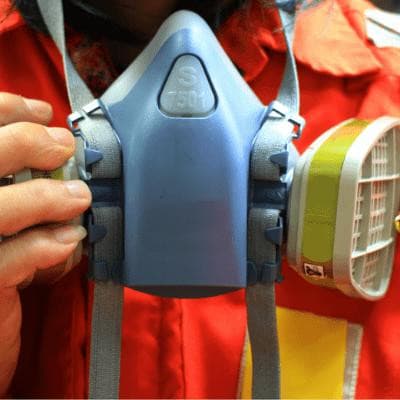
Personal protective equipment (PPE)
- Foot Protection
- High Visibility
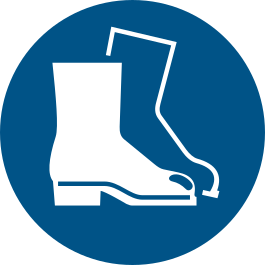
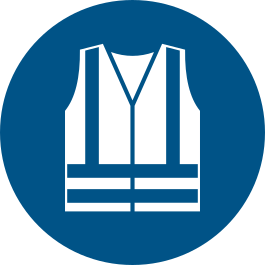
Do not wear rings, watches or jewellery that may become entangled. Tie back long or loose hair.
Job steps, hazards and controls
- Work activity
Planning
- Hazard
Overhead electric lines
Before controls3 HighControlsLiaise with electrical entities where necessary regarding the supply of electricity and control measures for working around existing power supply (e.g., de-energising power lines).
After controlsNot ratedResponsible- SupervisorUndertake all planning processes
- OperatorUndertake all planning processes
- Hazard
Inadequate team
Before controls3 HighControlsAssess the size and complexity of the work to be undertaken.
Determine the crew required for the task. Consider:
The number of operators and doggers required
Whether a trained safety observer is required for maintaining electrical exclusion zones
Whether a crane coordinator should be appointed if other cranes are in the vicinity.
After controlsNot ratedResponsible- SupervisorUndertake all planning processes
- OperatorUndertake all planning processes
- Hazard
Lack of training resulting in injuries and fatalities
Before controls2 ModerateControlsAll workers involved in this activity have been assessed as competent to do so.
All workers have been provided with the required training for the task and hold an appropriate licence, e.g. rigger, dogman, crane operator.
After controlsNot ratedResponsible- SupervisorUndertake all planning processes
- OperatorUndertake all planning processes
IR before controls · RR after controls1 LLow2 MModerate3 HHigh4 AAcute
작업 단계 13개 더: Arrive on-site and assess site conditions부터 Emergency response까지
단계마다 위험 요소, 위험도 평가, 관리 조치가 있고, 작업자 서명란도 포함됩니다.