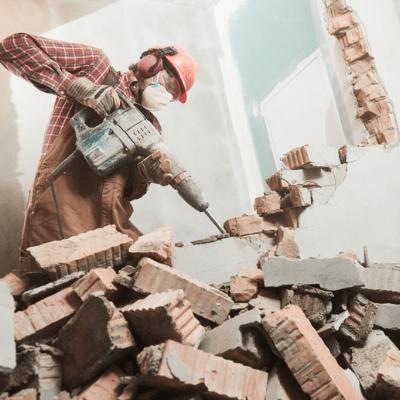
Biological hazards and sharps
Needles, sharps and materials contaminated with blood, body fluids or waste that can cause needlestick injuries and viral or bacterial infection.
이 페이지는 현재 영어로만 제공됩니다.
biological hazards and sharps 무료 툴박스 미팅 자료
다른 이름: Contaminated materials, Needlestick injury, Needlestick injuries, Sharps, Viral or bacterial infection, Infection, Infectious disease, Legionnaires Disease
biological hazards and sharps 관리 방법
- Use sharps containers and tongs or pick-up tools so nobody has to handle needles or sharps by hand.
- Never recap needles or reach blindly into bins, bags, gaps or crevices where sharps may be hidden.
- Provide hand-washing facilities, and clean up blood and body fluid spills using a spill kit and suitable disinfectant.
- Offer vaccination, such as for hepatitis B, to workers at risk of exposure to blood, body fluids or contaminated waste.
- Have a post-exposure procedure: wash the area, report the incident and get prompt medical assessment after any needlestick injury.
- Wear puncture-resistant gloves and protective clothing when handling waste or material that may be contaminated.
일반적인 관리 조치를 효과가 큰 순서로 정리했습니다. 실제 작업과 현장의 관리 조치는 내 SWMS에서 정합니다.
Biological hazards and sharps 관련 템플릿




업종별 SWMS
함께 나타나는 위험 요소
이 템플릿들이 인용하는 법령
- WHS Act 2011템플릿 83개
- WHS Regulations 2011템플릿 83개
- OHS Act 2004 (Vic)템플릿 73개
- Code of Practice: Construction work템플릿 71개
- Code of Practice: First aid in the workplace템플릿 71개
- Code of Practice: How to manage WHS risks템플릿 71개
- Code of Practice: Work environment and facilities템플릿 71개
- OHS Regulations 2017 (Vic)템플릿 71개