Asbestos removal: how to manage it safely
Asbestos removal in Australia: where asbestos is found, the licence classes, WHS duties and the steps to remove it safely without exposing workers.
यो लेख अहिलेलाई अंग्रेजीमा छ।
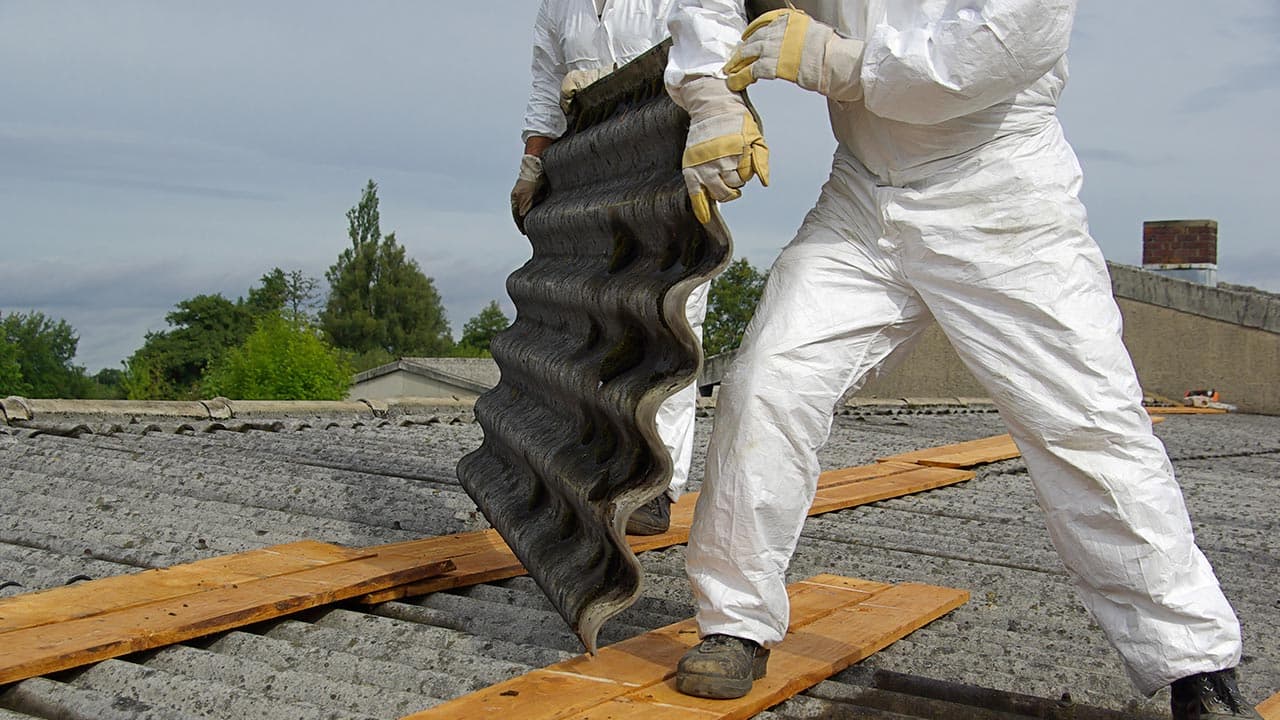
Asbestos removal is the controlled removal of asbestos-containing material (ACM) from a building or structure, so that no one breathes in the fibres. In most cases it must be done by a licensed removalist, under a written control plan, and with the work area and workers protected. The business that controls the work must make sure this happens, whether it's the owner, the builder or the employer.
Asbestos is still in many buildings in Australia, even though its use was banned in 2003. It's only a risk when it's damaged, disturbed or broken up, which is why renovation and demolition work are the most dangerous. This guide covers where asbestos is found, who must do what, and how a safe removal is run.
What is asbestos, and why is it dangerous?
Asbestos is a group of naturally occurring minerals made of long, thin fibres. It was valued for resisting heat and fire, and for insulation and strength. Fibres that are breathed in can stay in the lungs for years and cause serious diseases, including asbestosis, mesothelioma and lung cancer.
You can't tell by looking whether a material contains asbestos. Testing by a competent person is the only reliable way to know. Assume that any older material may contain asbestos until it's tested.
Where is asbestos found?
Many homes and workplaces built before the 2003 ban have asbestos somewhere. High-risk jobs, such as demolition, are where it most often gets disturbed. Common locations include:
- roof sheeting, eaves and guttering
- wall and ceiling sheeting, including fibro and ceiling plasters
- floor tiles, sheeting and the adhesive under them
- pipe lagging and insulation around hot water systems, boilers and ducts
- window putty and sealants
- switchboard backing boards and electrical panels
- fire doors, fire blankets and fireproof panels
- splashbacks and wet area linings
- brake pads, clutches and gaskets in vehicles and plant
Workers most likely to meet asbestos include demolition and construction workers, maintenance workers, electricians, plumbers and air-conditioning installers. Anyone who drills, cuts or breaks into an older building can disturb it. Cutting and grinding can also release silica dust, so read our guide to managing crystalline silica dust for the same jobs.
Friable and non-friable asbestos
The rules depend on whether the material is friable or non-friable.
Friable material crumbles or turns to powder easily, by hand or under light pressure. Fibres get into the air quickly, so the risk is much higher. Pipe lagging and some insulation are typical examples.
Non-friable material holds its fibres within a solid bond, such as cement sheeting or vinyl floor tiles. It's much less likely to release fibres, but it can break and become friable if it's damaged, cut, sanded or weathered.
Asbestos-contaminated dust or debris (ACD) is dust or debris that has asbestos on or in it. Treat it as high risk, whatever the source. Only a licensed removalist should clean it up, unless the rules for small amounts apply.
Who must do what?
The PCBU
The person conducting a business or undertaking (PCBU) must manage asbestos risks so far as is reasonably practicable. Under section 19 of the WHS Act, that includes the work of contractors and others on site. For asbestos, the PCBU must:
- identify asbestos in the workplace and keep an asbestos register and management plan
- make sure a licensed removalist does the removal, where a licence is required
- prepare a control plan before removal starts
- inform workers about asbestos and provide asbestos awareness training
- provide health monitoring to workers who are exposed, or may be exposed
- provide suitable PPE and decontamination facilities
- keep records of training, monitoring and removal work
The model WHS Regulations set out the detail of these duties, and they apply to the PCBU that controls the work, which may not be the one doing the removal. Much asbestos work is also high-risk construction work. Our guide to safety in high-risk construction work explains what that means.
Officers
Officers, such as directors, must exercise due diligence under section 27 to make sure the business complies. In practice, that means checking that the register is current, the removal is licensed and the control plan is followed.
Workers
Under section 28, workers must take reasonable care of their own health and safety, and of others. They must follow the control plan, use their PPE and report anything that looks like asbestos.
When do you need a licence?
Under the model WHS Regulations, most asbestos removal must be done by a licensed removalist. There are two licence classes for removal, and a separate licence for assessors.
- Class A. Removal of any asbestos, including friable asbestos and asbestos-contaminated dust or debris.
- Class B. Removal of non-friable asbestos only. A Class B licence is needed for non-friable work over 10 square metres.
- Licensed asbestos assessor. Can identify asbestos, carry out risk assessments and air monitoring, review registers and issue clearances for Class A work.
The model rules allow a worker without a licence to remove small amounts of non-friable asbestos, up to 10 square metres, and minor contamination in limited cases. These exceptions are narrow and differ between states and territories. If you're not sure, assume you need a licence, and check with your WHS regulator before you start.
Don't assume a small job doesn't need a licence. Check before you start.
How do you run a safe asbestos removal?
1. Find out what's there
Start with the asbestos register, if the building has one. If you're unsure, arrange for a licensed assessor to inspect and sample the materials. Don't disturb suspected asbestos to find out what it is.
2. Write a control plan
An asbestos removal control plan sets out how the work will be done. It should cover the materials, the work method, the controls, the PPE, the decontamination steps, the air monitoring, the disposal route and what happens if something goes wrong. The asbestos removal control plan gives you a structure you can adapt.
3. Set up the area
Mark and isolate the work area. Use barricades, signs and warning notices, and stop unauthorised access. Limit access to the removal team and essential people. Make sure signs and barricades don't block an emergency exit, because the area still has to be evacuated if needed.
4. Keep the material wet
Wetting asbestos materials reduces the release of fibres. Use a fine spray or a low-pressure method, and keep the material wet throughout the removal. Don't use high-pressure water or power tools that create dust unless the plan says they're safe.
5. Remove with care
Remove the material in whole pieces where possible, and avoid breaking it. Bag or wrap pieces as they come off. Keep the work area as clean as possible, and remove debris regularly rather than letting it build up.
6. Protect the workers
Provide the removal team with suitable PPE, including respiratory protection, disposable coveralls, gloves and eye protection. The respirator must be the right type for the job and must be fit tested for each worker. Check PPE before each use, and replace damaged items.
7. Decontaminate
Workers must decontaminate before leaving the work area. A decontamination unit, with a clean area, a change area and a shower, lets workers remove contaminated clothing and wash off fibres. Clean tools and equipment before they're taken out of the area. Don't take dirty clothes home.
8. Monitor the air
Air monitoring tells you what fibre levels are in the air during and after the work. Samples can be taken in the work area and in the breathing zone of the workers. Use a licensed assessor or a competent person to carry out the monitoring and interpret the results. Clearance inspections and air tests after removal confirm the area is safe to reoccupy.
9. Dispose of waste properly
Bag, seal and label asbestos waste, then transport it to an approved facility for disposal. Keep records of each load, including the date, the quantity and the disposal site. Make sure waste isn't stored on site longer than the plan allows.
10. Clear the area and update the register
Once the removal is complete and the area has passed clearance, update the asbestos register and tell the people who use the building what was removed and what remains.
Health monitoring and training
Workers who may be exposed to asbestos need health monitoring. This usually includes a medical examination and a record of exposure. The PCBU must tell workers about the monitoring before they start work that may expose them. Use a health surveillance record to keep track of results.
Training should cover what asbestos is, where it's found, the health effects, how to use PPE correctly, and what to do if asbestos is found where it isn't expected. Workers should know where the asbestos register is and who to call if they find material they think might be asbestos. Stop work straight away if they do.
The Model Code of Practice: How to safely remove asbestos, published by Safe Work Australia, explains the detailed steps for removal, and each state's regulator publishes its own guidance and forms.
SafetyDocs has asbestos management plans, control plans, registers and SWMS you can adapt to a job. The job and site details fill in themselves, and workers sign from their phone with a text, link or QR code, with no app or account needed. When a control plan changes, you update the document once and everyone who signed is asked to sign the new version. This helps you show your records are current. It doesn't make your removal compliant on its own.
What should your asbestos documents include?
A safe removal depends on paperwork that matches the job. Keep these documents up to date:
- the asbestos register, showing where asbestos is, its type and condition
- the asbestos management plan for the workplace
- a control plan for each removal job
- a SWMS for high-risk construction work involving asbestos, such as licensed asbestos removal
- the asbestos register and health records
- training and licence records
Using a management plan as a base saves time, but the plan has to reflect the actual building and work. A generic plan that could apply to any building won't protect anyone.
Common questions
Can I remove asbestos myself? Only in the narrow circumstances the model rules allow, and your state's rules may be stricter. If you're unsure, use a licensed removalist. Don't cut, drill or sand suspected asbestos to find out.
What should I do if I find asbestos during a job? Stop work in the area, keep people out, and don't disturb the material. Report it to the PCBU or site supervisor, and arrange for a licensed assessor to test and advise on what to do next.
How long does a removal take? It depends on how much material there is, its condition, the access and the clearance process. Plan for air testing and clearance time after the removal is finished, because the area can't be reoccupied until it passes.
Do I need an asbestos register for a new build? Registers are needed for buildings that may contain asbestos, which generally means buildings constructed before the 2003 ban. Check the rules for your state and the building's age before you start.
This is general information, not legal advice. Check the current law with your WHS regulator.
टेम्प्लेट लाइब्रेरी
यसलाई व्यवहारमा उतार्नुहोस्, तयारी SWMS सँग।
अस्ट्रेलियाका ट्रेडका लागि लेखिएका SWMS टेम्प्लेट हेर्नुहोस्। जुनसुकै पनि निःशुल्क प्रिभ्यू गर्नुहोस्, अनि केही मिनेटमै आफ्नो कामअनुसार मिलाउनुहोस्।
यो कामका लागि टेम्प्लेट
- सुरक्षित काम विधि विवरण (SWMS)Asbestos Awareness
- सुरक्षित काम विधि विवरण (SWMS)Flood Storm Clean-up
- सुरक्षित काम विधि विवरण (SWMS)Asbestos Safe Handling < 10 sqm.
- सुरक्षित काम विधि विवरण (SWMS)Private Residences - Working in
सम्बन्धित गाइड
खतरा
Environmental risks in industrial operations: 10 key areas
The environmental risks most common in industrial operations, from air and water pollution to chemical spills, and how to manage each one on site.
खतरा
3 types of environmental hazards in the workplace: examples
The three types of workplace environmental hazards are chemical, physical and biological. See examples of each, and the controls that reduce the risk.

खतरा
Heat stress management: a plan for hot working conditions
Manage heat stress at work: spot the warning signs, assess heat risks, apply controls, train your crew and review the plan, under Australian WHS laws.