Managing contractors: WHS documentation and site safety
How principal contractors and subcontractors share WHS duties, and the plans, SWMS, inductions and checks that keep contractors safe on site.
ਇਹ ਲੇਖ ਫ਼ਿਲਹਾਲ ਅੰਗਰੇਜ਼ੀ ਵਿੱਚ ਹੈ।
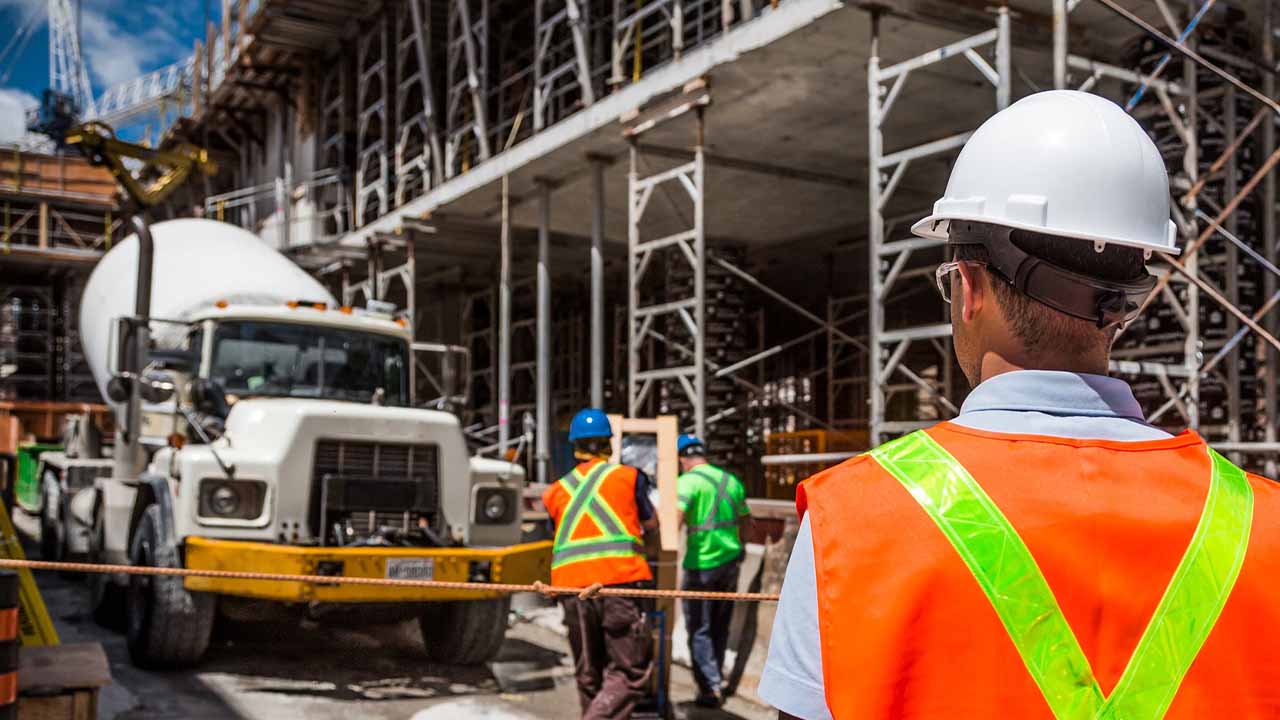
To manage contractors safely, you need the paperwork in place before anyone starts work. On a construction project the principal contractor needs a WHS management plan, and any subcontractor doing high-risk construction work needs a SWMS that the principal contractor has a copy of before the work starts. Add pre-qualification records, a contract with OHS terms, site induction records and a register of who is on site, and you have the core of a system you can show a regulator.
Who is responsible for contractor safety?
Every business that carries out work is a person conducting a business or undertaking (PCBU), and the WHS Act sets out the duties for each one. Under section 19 of the WHS Act, each PCBU must ensure, so far as is reasonably practicable, that its work doesn't put workers or other people at risk. Principal contractors and subcontractors are both PCBUs, and each keeps its own duties. A contract can't pass those duties to someone else (section 14).
On a construction project, the principal contractor also manages and controls the workplace, and prepares the site's WHS management plan (regulation 309). Subcontractors have to work within that plan and follow their own SWMS. Workers have duties too, including taking reasonable care and following reasonable instructions (section 28). The Act defines "worker" widely, so a subcontractor's employees, and an apprentice on the job, are covered.
What documents do you need?
The table below shows what the law requires and what is good practice on top of it. For the detail on SWMS, see our guide to what a SWMS must include. Use our construction contractor management plan as a starting point for the site-level plan.
| Document | What it does | Required? |
|---|---|---|
| WHS management plan | Sets out how the site's risks are managed, including how SWMS are collected, assessed, monitored and reviewed | Yes, on a construction project (regulation 309) |
| SWMS for each high-risk task | Identifies the work, its hazards and the controls, and how they're implemented, monitored and reviewed | Yes, before high-risk construction work starts (regulation 299) |
| Copy of each SWMS | Lets the principal contractor check the SWMS against the site | Yes, given to the principal contractor before the work starts (regulation 301) |
| Pre-qualification records | Evidence of the contractor's safety record, training, licences and insurance | Good practice |
| Contract with OHS terms | Sets out duties, reporting and what happens after a breach | Good practice. Duties can't be transferred (section 14) |
| Site induction records | Who was inducted, when, and on which hazards and procedures | Good practice |
| Licences and tickets | Proof that the people doing licensed work hold the right licence | Yes, where the work needs a licence |
The principal contractor must also take all reasonable steps to get each SWMS before the work starts (regulation 312). Chasing the paperwork is part of the job, not an extra.
Pre-qualify contractors before you engage them
Pre-qualification tells you whether a contractor's safety record, training and OHS system meet your standard before you award the work. Check:
- Safety record: incidents, notifiable incidents, regulator action and how they were dealt with
- Training and licences: for the work they'll do, and for the people who'll do it
- OHS system: whether it's documented, audited and used on real jobs
- Insurance: current certificates for the cover the contract requires
- Capacity: staff, equipment and experience on similar jobs
- Financial stability: so they can finish the job without cutting safety corners
Keep one contractor pre-qualification checklist and reuse it for every job. Update it when you learn something new, such as after an incident on another site. Record each approved contractor in a contractor register.
Put OHS terms in the contract
Contract terms should say what each party must do, not just that it must comply with the law. A useful OHS clause covers:
- compliance with the WHS laws and your site rules
- the PPE and training the contractor provides for its own workers
- reporting of every incident, near miss and hazard, within a set time
- evidence of their risk management, such as their SWMS and training records
- what happens after a breach, from a written warning to removal from site
Clear terms matter most after something goes wrong. Vague wording leaves everyone arguing about who was responsible. For the duties behind the clauses, see our guide to who is responsible for workplace safety and health.
Brief every contractor before work starts
Every contractor needs a site-specific induction before they start. An induction checklist keeps it the same for every person, and it should cover the site's hazards, the emergency and evacuation plan, the permit system, how to report a problem and who to call. You can run it at a toolbox talk or a meeting, but keep a record of who attended and what they were told.
Give contractors a site manual as well. It should include the site rules, the reporting forms, the hazard identification process, the permit to work process, the consequences of non-compliance, and what you expect of their own subcontractors. Use signs in more than one language where your crew needs them.
Align each SWMS with the site
Contractors often bring a SWMS written for another site. Before you accept it, work through five steps. On a high-risk job, the SWMS is the plan the crew works to, so it has to match what they'll actually do.
- Review it against this site. Check the hazards and access routes you actually have, not the ones in a generic template. Approve only what fits.
- Adjust it. Add the site's specific hazards, such as overhead services, other trades and ground conditions.
- Fit it into the WHS management plan. Make sure the controls don't contradict the site rules, and tell everyone when something changes.
- Enforce it. The work must follow the SWMS, and must stop if it doesn't (regulation 300).
- Revise it. When controls change under regulation 38, review and update the SWMS (regulation 302). Talk to the workers doing the job about it too, as the duty to consult them applies (section 47).
Inspect and monitor together
Monitoring works best when you do it with your contractors, not just at them.
- Walk the site jointly at different stages of the project, not only at the start and the finish. Involve subcontractors in spotting hazards and agreeing fixes, so they own the result.
- Review incident reports and run safety audits on a set schedule.
- Give feedback quickly. Recognise safe practice in front of the crew. Deal with a breach the same day, and tell the contractor what needs to change in their SWMS.
Check competency and PPE
Pre-qualifying a contractor is not enough on its own. Check competency throughout the job: refresh training at set intervals, and run a site-specific competency check before new tasks or new plant. Set one PPE standard for every crew on site and enforce it the same way for everyone. Check it at the start of each shift, and keep the standard in your toolbox talks.
Keep the paper trail
You must keep a SWMS until the high-risk construction work is finished, or for at least 2 years after a notifiable incident during that work (regulation 303). While you keep it, it must be available for inspection and easy for the workers to get to. Keep the rest of your contractor records in one register, so you can answer quickly: who was on site, when, and what were they told?
How SafetyDocs helps
SafetyDocs has more than 1,250 expert-written templates, including contractor management plans, contractor registers, pre-qualification checklists and SWMS. Job, client and site details fill themselves in, so you only change what's different about your site. Builders can comment on the exact line of a SWMS and approve it before work starts. Workers sign free on any phone from a text, a link or a QR code, with no app or account, and documents go out in the crew's languages with the English original kept as the record. When a document changes, everyone who signed is asked to sign the new version. It helps you meet your duties, but it doesn't make you compliant on its own.
Common questions
Who is responsible for a subcontractor's safety? Both parties. Each PCBU keeps its own duties, and a contract can't transfer them. On a construction project, the principal contractor also manages and controls the workplace.
Does a principal contractor need a WHS management plan? Yes, on a construction project. It must include arrangements for collecting, assessing, monitoring and reviewing the SWMS (regulation 309).
Does a subcontractor have to give the principal contractor its SWMS? Yes. A copy must go to the principal contractor before high-risk construction work starts (regulation 301).
Can I rely on a contractor's own safety system? Not on its own. Check it against your site, your WHS management plan and the SWMS for the task.
This is general information, not legal advice. Check the current law with your WHS regulator.
ਟੈਂਪਲੇਟ ਲਾਇਬ੍ਰੇਰੀ
ਇਸਨੂੰ ਅਮਲ ਵਿੱਚ ਲਿਆਓ, ਤਿਆਰ-ਬਰ-ਤਿਆਰ SWMS ਨਾਲ।
ਆਸਟ੍ਰੇਲੀਆਈ ਟ੍ਰੇਡਾਂ ਲਈ ਲਿਖੇ SWMS ਟੈਂਪਲੇਟ ਵੇਖੋ। ਕਿਸੇ ਦਾ ਵੀ ਮੁਫ਼ਤ ਪ੍ਰੀਵਿਊ ਕਰੋ, ਫਿਰ ਮਿੰਟਾਂ ਵਿੱਚ ਆਪਣੇ ਕੰਮ ਮੁਤਾਬਕ ਢਾਲੋ।
ਇਸ ਕੰਮ ਲਈ ਟੈਂਪਲੇਟ
- ਫ਼ਾਰਮ, ਰਜਿਸਟਰ ਜਾਂ ਚੈੱਕਲਿਸਟInduction Checklist
- ਪ੍ਰਬੰਧਨ ਯੋਜਨਾConstruction Contractor Management Plan
- ਫ਼ਾਰਮ, ਰਜਿਸਟਰ ਜਾਂ ਚੈੱਕਲਿਸਟContractor Pre-Qualification Checklist
- ਫ਼ਾਰਮ, ਰਜਿਸਟਰ ਜਾਂ ਚੈੱਕਲਿਸਟContractor Register
ਸੰਬੰਧਿਤ ਗਾਈਡਾਂ

ਉਸਾਰੀ
Top 10 safety forms every site supervisor should have
The 10 safety forms a site supervisor needs, from pre-start checks and inductions to incident reports and contractor sign-in, and what each one is for.
ਉਸਾਰੀ
High-risk construction work in Australia: the 18 activities
The 18 kinds of high-risk construction work under the WHS Regulations, why each one needs a SWMS before work starts, and what to check first.

ਉਸਾਰੀ
Lift plans for cranes in Australia: when you need one
When a crane lift plan is needed in Australia, what it must cover for each lift, and how it fits with the SWMS for high-risk crane work.