What must a SWMS include? A checklist for builders
What the WHS Regulations require in a SWMS, what's good practice on top, and the common reasons principal contractors send a SWMS back.
ਇਹ ਲੇਖ ਫ਼ਿਲਹਾਲ ਅੰਗਰੇਜ਼ੀ ਵਿੱਚ ਹੈ।
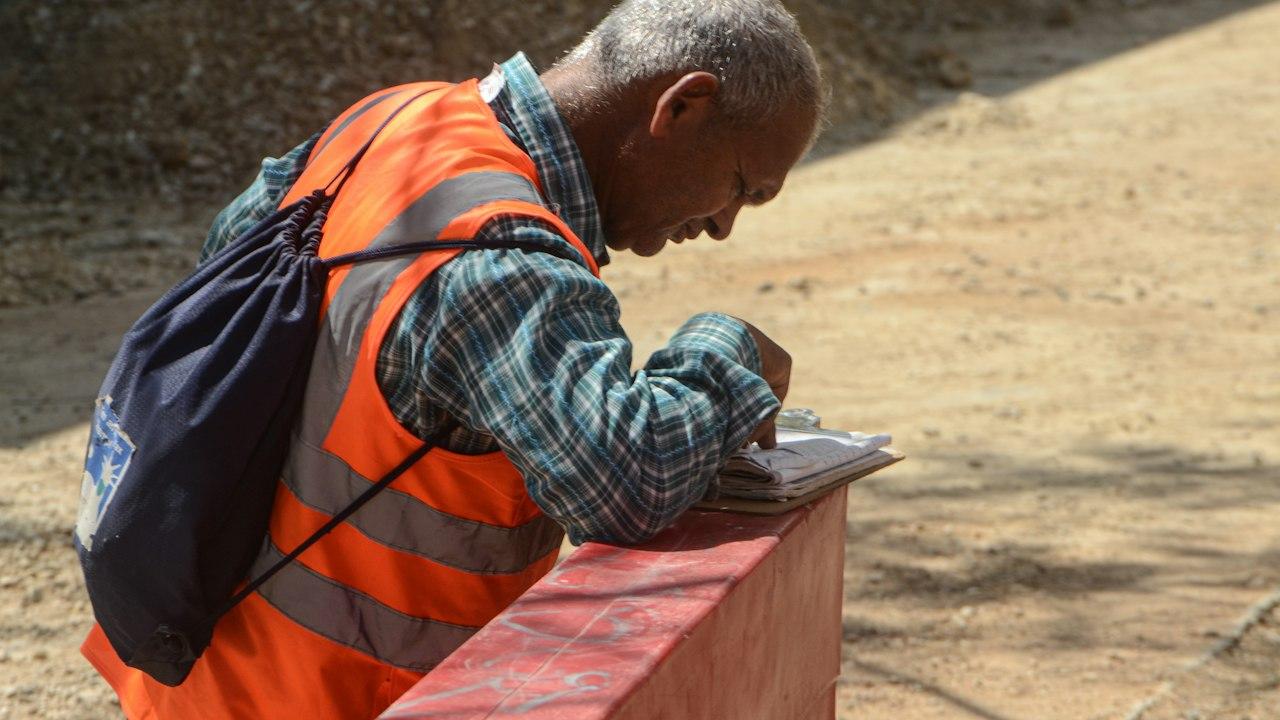
A Safe Work Method Statement (SWMS) must identify the high-risk construction work, list the hazards and risks of that work, describe the controls for those risks, and explain how the controls will be put in place, monitored and reviewed. It must reflect the conditions on the actual site and be written so the workers using it can understand it.
Everything else you often see on a SWMS, such as sign-on sheets, risk ratings and company logos, is good practice or comes from other duties. This guide separates the two, so you know what the law asks for and what a principal contractor is likely to ask for on top.
Where the rules come from
The SWMS requirements sit in the model Work Health and Safety Regulations published by Safe Work Australia. Every state and territory except Victoria has adopted the model laws, with some local differences. Victoria has its own Occupational Health and Safety Regulations 2017, with similar SWMS requirements for high-risk construction work.
A SWMS is only required for high-risk construction work: the 18 kinds of work listed in the model regulations (Victoria lists 19, and the ACT adds silica processing), such as work with a risk of falling more than 2 metres, trenches deeper than 1.5 metres, and work near energised electrical installations. Our guide to high-risk construction work in Australia lists all 18. If you're not sure whether your job is on the list, use the Do I need a SWMS? checker.
What the law requires
Under regulation 299 of the model WHS Regulations, a person conducting a business or undertaking (PCBU) that carries out high-risk construction work must make sure a SWMS is prepared before the work starts. It can be one they write, or one already prepared by someone else. The SWMS must:
- Identify the work that is high-risk construction work. Name the activity, such as work at height or work in a confined space, not just the trade.
- Specify the hazards relating to that work, and the risks to health and safety from those hazards.
- Describe the measures that will control the risks.
- Describe how the control measures will be implemented, monitored and reviewed. Who sets up the exclusion zone, who checks it, and when.
It must also be prepared taking into account all relevant matters, including circumstances at the workplace that may affect how the work is done. On a construction project, that includes the principal contractor's WHS management plan. And it must be set out and expressed in a way that is readily accessible and understandable to the people who use it.
The duties don't stop once the document is written:
- Follow it (regulation 300). The PCBU must have arrangements to make sure the work is done the way the SWMS says. If it isn't, the work must stop immediately, or as soon as it's safe to stop, and only resume in line with the SWMS.
- Give the principal contractor a copy (regulation 301). On a construction project, make sure the principal contractor gets a copy before the work starts. The principal contractor must take all reasonable steps to get one (regulation 312).
- Review and revise it (regulation 302). When the control measures are revised under regulation 38, for example after an incident, before a change in method or when a new hazard is found, the SWMS must be reviewed and revised as needed.
- Keep it (regulation 303). Keep a copy until the high-risk construction work is finished. If a notifiable incident happens during that work, keep it for at least 2 years after the incident. For as long as it must be kept, it must be readily accessible to the workers doing the work and available for an inspector.
Checklist: what a compliant SWMS contains
| What it contains | Required by law? | Where it comes from |
|---|---|---|
| The high-risk construction work being done | Required | Model WHS Regulations, reg 299 |
| Hazards and the risks they create | Required | Reg 299 |
| Control measures for each risk | Required | Reg 299 |
| How controls are implemented, monitored and reviewed | Required | Reg 299 |
| Site conditions that affect the work | Required | Reg 299 (relevant matters) |
| Takes account of the principal contractor's WHS management plan | Required on construction projects | Reg 299 (relevant matters) |
| Plain language workers can read and understand | Required | Reg 299 |
| Job name, site address and scope of work | Good practice | Makes the site-specific content clear |
| PCBU and principal contractor details | Good practice | Usually asked for by the principal contractor |
| Names of the people responsible for supervising and checking controls | Good practice | Shows how monitoring will happen |
| Record of worker consultation | Good practice to record | The duty to consult workers is in the WHS Act |
| Worker sign-on | Good practice or contract term | Not required by the regulations |
| Licences, training and plant needed | Good practice | Licensing and training duties sit elsewhere in the WHS laws |
| Emergency and rescue procedures | Good practice | Emergency plan and rescue duties sit elsewhere |
| Risk ratings before and after controls | Good practice | Not required, but shows the controls were chosen deliberately |
| Version, date and review history | Good practice | Makes reviews easy to prove |
Controls should be chosen using the hierarchy of controls: eliminate the hazard where you can, then substitute, isolate or use engineering controls, and rely on procedures and PPE last. A SWMS that only lists PPE is a warning sign. Read more about the hierarchy of controls.
Why principal contractors reject a SWMS
Principal contractors have their own duties, so most read a SWMS before letting a crew start. These are the reasons they send one back most often:
- It's generic. It could be for any site. There's no mention of this site's access, overhead power lines, other trades or ground conditions.
- The work doesn't match the scope. The SWMS covers roof sheeting, but the job is gutter replacement from an elevating work platform.
- The high-risk construction work isn't identified. The hazards are listed, but the SWMS never says which activities trigger it.
- The controls are vague. "Be careful", "use common sense" or "PPE as required" aren't controls anyone can check.
- Nobody is responsible for monitoring. It says what should happen but not who checks it or when.
- It conflicts with the site rules. Hours, exclusion zones, permits or traffic management differ from the principal contractor's WHS management plan.
- It's out of date. The method changed, an incident happened or new plant arrived, and the SWMS wasn't revised.
- Workers can't use it. It's 40 pages of copied legislation, or it isn't in a form the crew can read on site.
- Missing details they've asked for. Licences, plant inspections, emergency and rescue plans, or a worker sign-on sheet.
How SafetyDocs gets your SWMS through the gate
Most of those knock-backs come from the same place: a Word file copied from the last job, emailed back and forth, and printed for the crew. SafetyDocs is built to stop each one.
- Not generic. The job, client and site fill themselves in, and you change what's different about this site on your phone. You start from a SWMS written by safety experts for the task, with controls someone can actually check, not "be careful".
- Checked before it reaches the gate. Send your SWMS to the builder before the job starts. They comment on the exact line, you fix it in the same document in minutes, and they see the change. Builders can approve every SWMS before it goes out and request the documents they still need, such as licences or a rescue plan.
- Never out of date. Change the SWMS once, in place. Everyone who signed the old version is asked to sign the new one, and every signature is tied to the version the worker saw. No reprinting, no stale copies in someone's ute.
- The crew can actually use it. Workers read it in one clean column on their phone, in their own language if they need it, and sign from a text, a link or the QR code on the gate. No app, no account, and unlimited workers sign free.
- Problems come back to you. Anyone on the crew can raise an issue on a step, with a photo, and everyone on the job gets the fix.
- Everyone works on one job. The builder, the principal contractor and every subbie see the same documents. Subbies join free, keep their own SWMS in their folder on the job, and take their documents and sign-ons with them to the next builder.
Common questions
Does a SWMS have to be signed? No, the model WHS Regulations don't require a SWMS to be signed. Most principal contractors still ask workers to sign on, because it's a practical record that the crew has read the SWMS and been told about the controls.
How long must you keep a SWMS? You must keep a copy until the high-risk construction work is finished, or for at least 2 years after a notifiable incident that happens during the work. Many businesses keep them longer as part of their records.
Is a SWMS required for every job? No, a SWMS is only legally required for high-risk construction work. Lower-risk tasks still need their risks managed, often with a job safety analysis or safe work procedure, and some principal contractors ask for a SWMS on every task anyway.
Can one SWMS cover more than one activity? Yes, one SWMS can cover several high-risk construction work activities, as long as it addresses the hazards and controls for each of them.
Who writes the SWMS? The PCBU carrying out the high-risk construction work is responsible for it, usually the subcontractor doing the task. It should be written with the workers who'll do the job, because they know how it's actually done.
Getting started
You don't need to start from a blank page, or chase signatures on paper. Start from a SWMS written by safety experts, fit it to the job in minutes, get it past the builder before you arrive, and have the crew sign on their phones. Browse the SWMS templates by trade to find one for your work.
This guide is general information, not legal advice. Check the WHS or OHS laws that apply in your state or territory.
ਟੈਂਪਲੇਟ ਲਾਇਬ੍ਰੇਰੀ
ਇਸਨੂੰ ਅਮਲ ਵਿੱਚ ਲਿਆਓ, ਤਿਆਰ-ਬਰ-ਤਿਆਰ SWMS ਨਾਲ।
ਆਸਟ੍ਰੇਲੀਆਈ ਟ੍ਰੇਡਾਂ ਲਈ ਲਿਖੇ SWMS ਟੈਂਪਲੇਟ ਵੇਖੋ। ਕਿਸੇ ਦਾ ਵੀ ਮੁਫ਼ਤ ਪ੍ਰੀਵਿਊ ਕਰੋ, ਫਿਰ ਮਿੰਟਾਂ ਵਿੱਚ ਆਪਣੇ ਕੰਮ ਮੁਤਾਬਕ ਢਾਲੋ।
ਸੰਬੰਧਿਤ ਗਾਈਡਾਂ
SWMS ਅਤੇ JSA
Free 'Do I need a SWMS?' checker for your website
Add our free SWMS checker to your website. Visitors tick the work a job involves and see straight away whether the WHS laws need a SWMS.
SWMS ਅਤੇ JSA
What does SWMS stand for? Safe work method statement explained
SWMS stands for safe work method statement. Learn what it is, when the WHS Regulations require one, what it must include and how it differs from a JSA.
SWMS ਅਤੇ JSA
Ways to get a SWMS: templates, software or consultant?
Five ways to get a SWMS in Australia compared: writing your own, free regulator templates, template packs, SWMS software and safety consultants.