What is a scaffold? Hazards, licences and installation rules
What a scaffold is, the types used in Australia, when a licence is needed, the main hazards, and the SWMS and inspection rules that apply.
本文目前只有英文版。
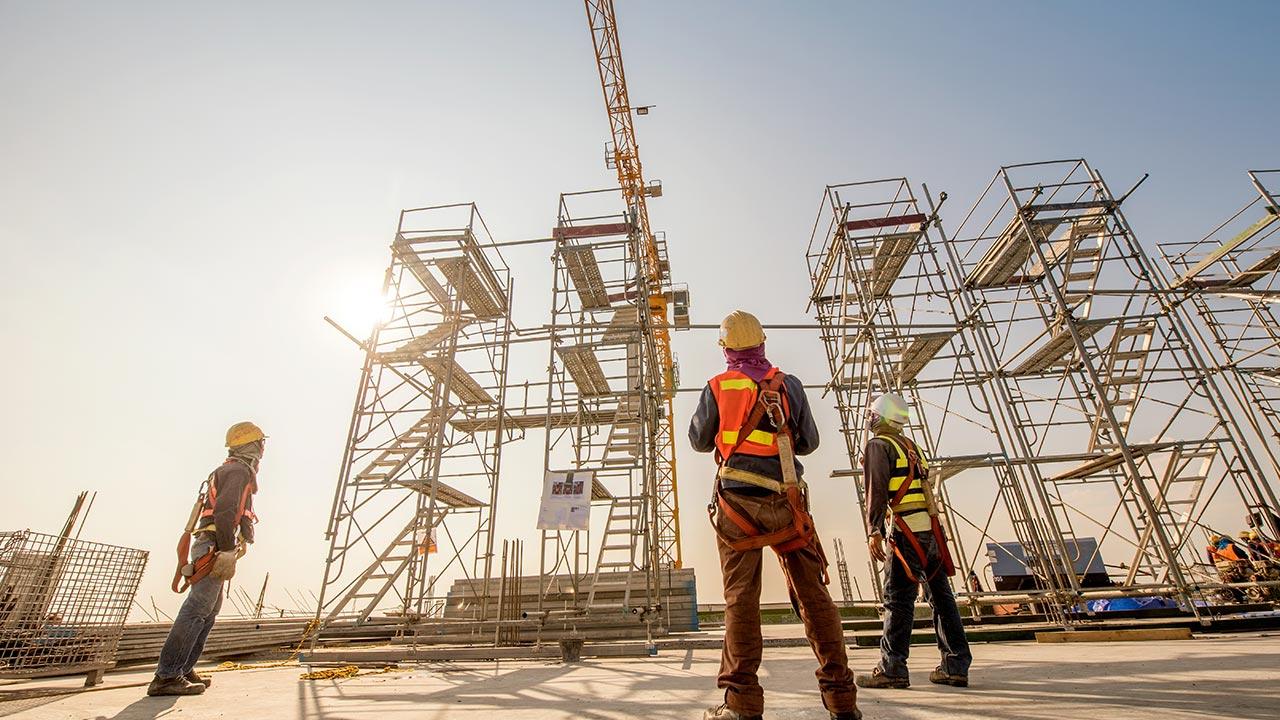
A scaffold is a temporary platform that gives workers access to work above the floor or ground. Scaffolding is the whole system of tubes, couplers, frames, braces and fittings that make up the platform. Under the WHS laws, scaffolding is plant, and anyone who erects, alters or dismantles it where a person or object could fall more than 4 metres needs the right class of high-risk work licence.
This guide covers the scaffold types you'll meet, the main hazards, the licence classes, and the paperwork and inspections that the law and principal contractors expect. Victoria has its own OHS laws, so check the rules for your state or territory with your regulator.
What are the common types of scaffold?
Safe Work Australia's guide to scaffolds and scaffolding work describes each type in detail. The main ones are below.
| Type | What it is | What to watch for |
|---|---|---|
| Birdcage | An independent scaffold with more than two rows of standards in both directions | Mainly used for work on a single level, such as ceilings. Only use it to support formwork if it's designed for that |
| Trestle | Built from prefabricated trestles, braces and accessories, such as A-frame or H-frame | Common with bricklayers, plasterers and painters. Erect and dismantle progressively, by a competent person |
| Single pole | One row of standards tied to ledgers and putlogs in the building wall | It depends on the structure it's fixed to, so don't remove components until it's dismantled |
| Hung | Hangs from another structure and can't be raised or lowered while in use | A competent person designs it and checks the structure can carry the load |
| Suspended (swing stage) | A platform suspended from above that can be raised or lowered while in use | Needs an advanced scaffolding licence |
| Tower and mobile | An independent tower of vertical standards. A mobile scaffold is a tower mounted on wheels | Needs the same care as any scaffold. Check the information sheet on tower and mobile scaffolds before use |
| Cantilever | Supported by cantilevered load-bearing members | A competent person must certify the supporting structure |
| Tube and coupler | Built from steel tube and couplers, in configurations that suit unusual shapes | Covered ways and gantries need an intermediate licence |
| Prefabricated | Built from components whose assembled shape is set in advance, such as modular or tower systems | Must be design registered before use |

What hazards does scaffolding create?
Scaffolding work puts workers on the platform and people below at risk. The main hazards are:
- Falls from height. Guardrails, toeboards and edge protection stop people falling off the working platform. Preventing falls from heights covers the controls in more detail.
- Collapse. A scaffold that is built incorrectly, overloaded, or changed without authority can fall down.
- Overhead power lines. Workers can be electrocuted if the scaffold or its materials touch a live line. If you're erecting near overhead lines, contact the electricity supplier first.
- Falling objects. Tools, fittings and materials that aren't secured can hit people below.
- Unstable ground. Soft ground or subsidence can shift a scaffold. A competent person should check the ground before the base is set.
- Tampering. Ties can be loosened or removed by people without authority, for example finishing trades who need access. Only trained, authorised people should alter a scaffold. Barriers and warning signs should keep unauthorised people off a scaffold that's being built, altered or dismantled.
Who needs a licence to work on scaffolding?
Erecting, altering or dismantling a scaffold, where a person or object could fall more than 4 metres from the platform or structure, is scaffolding work. The person doing it must hold the right class of scaffolding high-risk work licence. Each class covers different types of scaffold:
- Basic licence: modular or prefabricated scaffolds, cantilevered materials hoists with a maximum working load of 500 kilograms, ropes, gin wheels, fall arrest systems, and bracket scaffolds.
- Intermediate licence: cantilevered crane loading platforms, cantilevered and spur scaffolds, barrow ramps, scaffolding with perimeter safety screens, mast climbing work platforms, and tube and coupler scaffolds including covered ways and gantries.
- Advanced licence: cantilevered hoists, hung scaffolds, and suspended scaffolds.
A scaffold where the fall is 4 metres or less doesn't need a high-risk work licence. A small frame scaffold to repair eaves or paint a ceiling is an example. Anyone working on construction sites also needs general construction induction training.
Does scaffolding need a SWMS?
Yes, in most cases. Work where a person could fall more than 2 metres is high-risk construction work, one of the kinds listed in safety in high-risk construction work. A safe work method statement (SWMS) must be prepared before it starts. Who prepares, signs and keeps a SWMS? explains who is responsible for it. That applies even when the scaffold is under 4 metres and doesn't need a licence. If you're not sure whether your job is high-risk, use the Do I need a SWMS? checker.
The SWMS must identify the work, specify the hazards and risks, describe the controls, and explain how they'll be put in place, monitored and reviewed. The regulation 299 requirements apply to scaffolding as they do to any high-risk construction work. A person doing the work must follow the SWMS, and stop if they can't (regulation 300).
On a construction project costing $250,000 or more (regulation 292), the principal contractor must have a WHS management plan (regulation 309). You must give the principal contractor a copy of the SWMS before the work starts (regulation 301), and the principal contractor must take all reasonable steps to get it (regulation 312).
What paperwork does a scaffold need?
Depending on the scaffold, you may need several documents. These are the most common:
- A designer's safety report. A designer must prepare one for a specific or unusual scaffold design, where the hazards aren't already well known. Common designs with known risks generally don't need one.
- A design registration. Prefabricated scaffolding is plant and must be design registered under the WHS Regulations. Keep the registration number where it's easy to find. If you hire the scaffold, the supplier should give you the number, usually on the docket or agreement.
- A scaffolding plan. For more complex scaffolds, a competent person should prepare a plan that covers the sequence of erection, the loads and the access.
- A SWMS. See above.
- An emergency plan. Include how a worker who has fallen and is hanging in a harness will be rescued. A falls emergency rescue plan sets out those steps.
How do you erect a scaffold safely?
Only a competent person should erect a scaffold, following the regulations, the manufacturer's instructions and good engineering practice. A safe process looks like this:
- Choose the right type of scaffold for the work, the loads and the height. Make sure everyone who will use it knows how it works.
- Have it designed. Scaffolds should be designed by a competent person, such as someone holding the relevant scaffolding licence or an engineer.
- Prepare the base. Check the ground, then install sole boards and base plates where needed.
- Erect it to the plan and SWMS. Tighten fittings and connections. Install bracing, ties, man ropes and buttresses. Use loading platforms or back propping so the building floor or the scaffold isn't overloaded.
- Get certification before you erect a scaffold on an awning. Certification comes from a competent person.
- Don't mix components. Don't mix scaffolding from different manufacturers unless a competent person has approved it.
- Inspect it before anyone uses it. Then keep it out of use until it passes.
Workers on the scaffold must not climb the guardrails to gain height, and must not climb the outside of the scaffold.
How often should a scaffold be inspected?

The person with management or control of the scaffold must make sure it's inspected and maintained so it's safe to use. That includes an inspection at hand-over, a check after the handover, and another after any repair, modification or addition. If the scaffold changes, record it in the inspection report.
Use a checklist so the inspection is the same every time. The plant hazard checklist for non-mobile plant covers the basics, and the trestle scaffold SOP sets out how a trestle scaffold is used safely each day.
Standards for scaffolding
The AS 1576 series sets requirements for scaffolding, and AS/NZS 4576 gives guidelines on how it's designed and used. The AS/NZS 1576 scaffolding page and the AS/NZS 4576 guidelines page in our library summarise both. For the hazards themselves, see scaffold and ladder failure.
The standards describe good practice. The WHS laws set the duties, so check both when you plan a job.
Common questions
Do I need a licence to put up a small scaffold? Not if a fall would be 4 metres or less from the platform. You still need a SWMS if work could cause a fall of more than 2 metres, and the person must be competent to erect it.
Who is responsible for inspecting a scaffold? The person with management or control of the scaffold. That's usually the business that's using it on site, so check who holds that role on your job.
Can a finishing trade remove a scaffold tie? No. Ties and bracing are part of the scaffold's stability. If a trade needs access, a competent person should plan the change, check the scaffold afterwards, and record it.
Does a hired scaffold need its own paperwork? Yes. Prefabricated scaffolding needs a design registration number, and the supplier should provide it. Check the hire agreement, and keep the number where people can find it on site.
This is general information, not legal advice. Check the current law with your WHS regulator.
模板库
用一份现成的 SWMS付诸实践。
浏览为澳大利亚各工种编写的 SWMS 模板。任何模板都可免费预览,几分钟就能按你的工作改好。
适用于这项工作的模板
- 安全作业方法说明(SWMS)Erecting Fixed Scaffold
- 安全作业方法说明(SWMS)Mobile Scaffold
- 安全作业方法说明(SWMS)Working on Scaffolds
- 安全作业方法说明(SWMS)Hoarding Installation Removal
相关指南
建筑施工
High-risk construction work in Australia: the 18 activities
The 18 kinds of high-risk construction work under the WHS Regulations, why each one needs a SWMS before work starts, and what to check first.

建筑施工
Lift plans for cranes in Australia: when you need one
When a crane lift plan is needed in Australia, what it must cover for each lift, and how it fits with the SWMS for high-risk crane work.

建筑施工
What is an ITP in construction? Inspection and test plans
ITP stands for inspection and test plan. Learn what an ITP is in construction, what goes in one, how hold and witness points work, and how to write one.