Site induction checklist: what to include and why
What a site induction checklist should cover, how to run an induction for workers and contractors, and how to keep records that show it was done.

A site induction checklist is a list of everything a new worker or contractor must know and be shown before they start work on your site. It covers site rules, the main hazards and their controls, emergency procedures, how to report incidents and who to call. Use it every time someone starts on site, and keep a signed copy as a record that the induction took place.
A good checklist is short enough to get through in one sitting and specific enough to your site that a new starter cannot mistake it for a generic handout. It is a prompt for the person running the induction. The induction itself is the conversation, the walk around the site and the check that the person understood.
What is a site induction?
A site induction, sometimes called a contractor induction, introduces a new person to your site: its layout, its rules and the work being done. It is the first safety conversation a worker has with you, and it often happens before they touch any equipment.
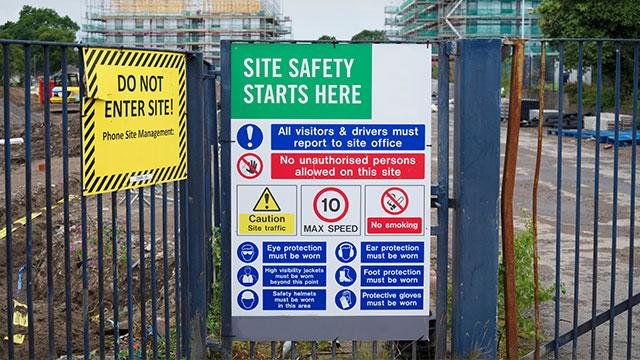
Inductions usually cover the main site hazards, such as work at height, restricted areas, electrical risks, moving plant and vehicles. They also cover emergency procedures, the location of first aid equipment, housekeeping standards and the personal protective equipment needed on the site. Many sites also check qualifications during the induction, such as a licence for a forklift or other plant that requires one.
Under the Work Health and Safety Act 2011, a person conducting a business or undertaking (PCBU) has a primary duty of care to workers and others at the workplace (section 19). That duty includes giving people the information, training, instruction and supervision they need to work safely. A site induction is one of the most practical ways to meet it. Workers also have their own duties, including to follow reasonable instructions, which you can explain at induction (section 28).
What should a site induction checklist include?
A checklist should cover what someone new to the site needs to know on their first day. Tailor it to your site and your work. If an item does not apply, remove it, so the checklist stays short and people take it seriously.
Use these sections as a starting point:
- Site rules. Sign-in and sign-out, hours, parking, visitor rules, smoking and alcohol rules, and where to find the site rules in writing.
- Hazards and controls. The main hazards on this site and the controls in place, such as exclusion zones, traffic routes and isolation procedures. Name the controls the worker will rely on for each hazard.
- Safe work documents. Where to find the safe work method statements and safe operating procedures for their task, and the rule that they must follow them.
- Emergency and evacuation. The alarm, assembly point, emergency contacts, and who runs the roll call. Walk the route if you can.
- Incident and hazard reporting. How to report an injury, a near miss or a hazard, who to tell first, and how quickly.
- First aid. Where the first aid kits, eye wash and defibrillator are, and the names of trained first aid officers.
- Facilities. Toilets, amenities, drinking water, the lunch area, and where the emergency exits and fire extinguishers are.
- People to contact. The site supervisor, the health and safety representative, and the person to call after hours.
- Licences and qualifications. What the worker must hold for the work they will do, and when you will check it.
Attach the documents the checklist refers to, so the worker has them to read after the induction.
How to run a site induction
A checklist does not make an induction. The person running it should talk through each item, show the hazards and check that the worker understood. Follow these steps:
- Before the start date, send the worker the site rules and any documents they need to read. Check their qualifications and any licences you need to see.
- On arrival, confirm their identity, sign them in and check that they have the PPE they need.
- Go through the checklist item by item. Ask the worker to say back the emergency plan and where the nearest exit is, rather than just nodding.
- Walk the site, or at least the areas they will use. Point out the hazards in person.
- Ask two or three questions that test the important points, such as "what do you do if you see a fall hazard?" or "who do you report a near miss to?"
- Record the induction. Date it, record who ran it, and have the worker sign the checklist. Keep the record with your training records.
- Check in during the first days. Supervision is part of the duty, so make sure the worker is working safely and knows who to ask.
Some sites use a short video or an online course before the walk-through. That works well for large groups, but a person still needs to speak with someone who knows the site.
When should an induction be repeated?
Repeat or update the induction whenever something changes that a worker needs to know. Common triggers include:
- the worker moves to a new area or task
- the site layout, plant or hazards change
- a new control is introduced or an old one is withdrawn
- an incident or near miss shows a gap in what people understand
- a worker returns after a long absence
Keep the induction short when you repeat it. Focus on what has changed rather than running the whole checklist again.
Benefits of a site induction checklist
A checklist helps in several ways:
- Fewer accidents. Workers who know the hazards and the controls are less likely to be hurt by them.
- Fewer misunderstandings. Everyone hears the same information, so there is less confusion about roles and rules.
- Clear records. A signed checklist shows what was covered and who was there, which helps if something goes wrong.
- A better start. A clear, professional induction tells new starters that safety is taken seriously on your site.
Common questions
Who should run a site induction? Someone who knows the site and the work, such as the site supervisor or a competent person. They must be able to answer questions and check understanding, not just hand over a document.
Do visitors need an induction too? Yes, if they enter an area where they could be exposed to a hazard. Use a shorter version, such as a visitor induction checklist, that covers the emergency plan, the exclusion zones and the people to contact.
How long should an induction take? Long enough to cover the hazards properly and check understanding, including the walk-through. Let the site's risks set the length, not a fixed time.
Where should I keep the signed checklists? Keep them with your training records, and make sure you can find them during an inspection. Use a worker training and induction register to track who has been inducted and when.
Templates you can use
SafetyDocs has induction checklists and a worker training and induction register you can adapt to your site. For short-term visitors, use a visitor induction checklist. Pair the induction with an emergency response plan so new starters know what to do in an emergency, and a hazard report form so they know how to report what they see.
Read next
- Managing contractors: WHS documentation for principal contractors and subcontractors
- How to conduct a toolbox talk that actually works
- Top 10 must-have HSEQ training modules for new employees in Australia
How SafetyDocs helps
Inductions are easier to keep consistent when the checklist, the register and the sign-off are in one place. With SafetyDocs, job, client and site details fill themselves in, workers sign free on any phone from a text, link or QR code with no app or account, and a site tablet in kiosk mode serves workers who do not have a phone. Documents can be sent in the crew's languages, with the English original kept as the record. The job's activity log then shows who was inducted, and what they read and signed.
This is general information, not legal advice. Check the current law with your WHS regulator.
Template library
Put it into practice with a ready-made SWMS.
Browse SWMS templates written for Australian trades. Preview any of them free, then tailor one to your job in minutes.
Templates for this work
- Form, register or checklistInduction Checklist
- Form, register or checklistWorker Training and Induction Register
- Form, register or checklistVisitor Induction Checklist
Related guides
Safety management
Safe operating procedure vs standard operating procedure
Safe operating procedure vs standard operating procedure: what each means, when you need which, how they differ from SWMS and JSAs, and what a good SOP holds.

Safety management
What does OHSE stand for? Meaning, basics and how to start
OHSE stands for occupational health, safety and environment. Learn what it covers, how it compares with WHS and OHS, and how to set up an OHSE system.

Safety management
Integrated management system (IMS) documents: a list of 10
The ten documents most businesses need for an integrated management system covering quality, environment and safety, with an example of how they fit together.