Manual handling techniques: safe lifting and handling at work
How to assess manual handling tasks, lift and carry safely, use equipment, and meet your WHS duties for hazardous manual tasks in Australia.
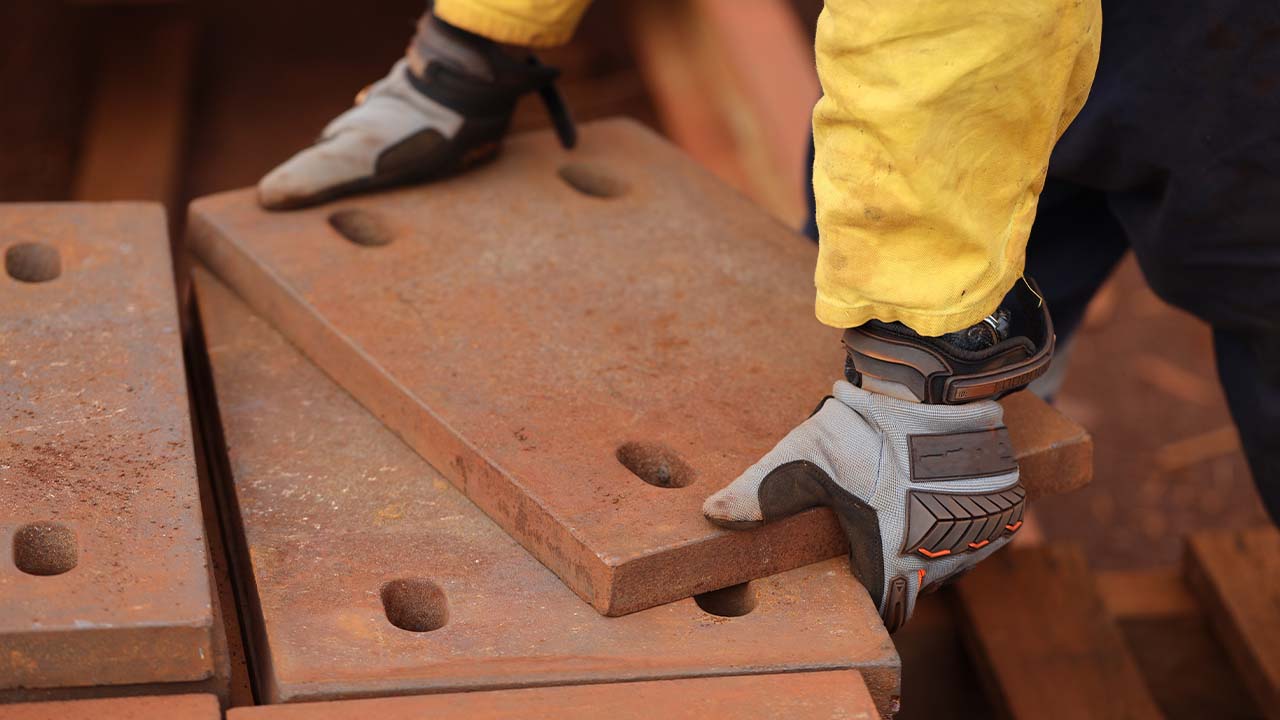
Safe manual handling means assessing each task before you start it, then lifting, carrying, pushing and pulling in a way that keeps the load close and the back straight. You reduce the risk further by using equipment, changing the job so less lifting is needed, and training people to use the right method. The aim is to prevent musculoskeletal disorders (MSDs), which are the most common and costly result of poor handling.
Manual handling happens in construction, healthcare, warehousing, retail and manufacturing. It's often routine, which is why people skip the careful approach. This guide covers how to spot the hazards, how to lift properly, and what the law expects from the business.
What counts as manual handling?
Manual handling is any task where a person uses their body to lift, lower, push, pull, carry, move, hold or restrain something. That includes a box, a bag of cement, a patient, a trolley or an animal. A task is hazardous when it involves a load that's heavy or awkward, repeated work, or a poor environment.
Examples of hazardous manual tasks include:
- moving and carrying heavy sacks or bags
- stacking shelves or lifting pallets by hand
- steering a heavily loaded trolley through a busy warehouse
- sitting at a cramped desk and typing for long periods
- working in a bent or twisted posture for long stretches
- helping a person into a bath or out of bed
What are the main hazards?
Manual handling hazards can cause a strain injury in one lift, or wear the body down over weeks and years. Look for these:
- Heavy or bulky loads, including loads too big to see over, which increase the chance of a fall or collision.
- Repetition, such as lifting the same items all day, which leads to repetitive strain.
- Awkward postures, such as bending, twisting or reaching above shoulder height.
- Poor environments, including wet floors, clutter, poor lighting and uneven ground.
- Long durations without breaks, which cause fatigue and lower control of the load.
- Vibration from hand-held or ride-on machinery, which can cause hand-arm vibration syndrome.
- Temperature extremes, where cold reduces grip and strength and heat causes fatigue.
What are musculoskeletal disorders?
MSDs affect muscles, nerves, tendons, ligaments, joints and spinal discs. Some develop gradually from repeated movements. Others happen suddenly, such as a strain from one awkward lift. The types you'll see most often are sprains and strains, back injuries, nerve compression such as carpal tunnel syndrome, and hernias. Persistent pain that lasts more than 12 weeks is classed as chronic.
Low back pain is one of the leading causes of disability in Australia, and manual handling is a major contributor to it.
Why does proper manual handling matter?
Good technique protects the worker, and it also keeps the work moving. Correct posture and body mechanics reduce strain and fatigue, so people can complete tasks safely and at a steady pace. Fewer injuries mean fewer lost shifts, less time spent on claims and less trouble finding cover for absent staff.
What does the law require?
The WHS Act applies in most states and territories, and Victoria has its own Occupational Health and Safety Act 2004 and OHS Regulations 2017. Under the WHS Act, the business that runs the work (the person conducting a business or undertaking, or PCBU) must eliminate hazardous manual tasks so far as is reasonably practicable. If they can't be eliminated, the risk must be minimised. The primary duty of care sits with the PCBU.
Other duties apply too:
- Officers, such as directors, must exercise due diligence to make sure the business has the right resources and controls.
- Workers must take reasonable care of their own health and safety, follow safe procedures and use the equipment provided. That's set out in the workers' duties.
- Designers, manufacturers, importers and suppliers must make sure equipment and workplaces are designed to limit handling risks, and give the information needed to use them safely.
The model Code of Practice for hazardous manual tasks gives practical guidance on assessing these tasks and designing them to reduce risk. Check your regulator's version for your state.
How to assess a manual handling task
Work through these steps, and involve the people who do the job, because they know where the real problems are.
- Walk the site. Find every task that involves lifting, pushing, pulling, holding, carrying or throwing.
- Talk to workers. Ask what they find hard, what hurts and what they work around.
- Assess the risk. Look at load weight and size, how often the task happens, how long it lasts and the environment.
- Control the risk. Remove the task, use a machine, or redesign the job so the load is lighter, closer or lower.
- Train and check. Teach the safe method, then watch people do the job and correct them.
- Review. Look again after an incident, a change in equipment or a new load type.
To check the environment and the person, use the TILE approach before you lift:
- Task: what the job involves, and what the worker needs to do it.
- Individual: the worker's health, strength, training and any limits.
- Load: weight, size, shape, grip points and whether the object can move or shift.
- Environment: floor surface, space, lighting, obstacles and the route to the destination.
How to lift and carry safely
Use this method for each lift:
- Plan the route. Clear it, check the floor and decide where the load goes.
- Set your feet. Stand with feet about shoulder-width apart, one slightly in front of the other.
- Get a secure grip. Use both hands where possible, and grip the load, not the packaging.
- Bend the knees, not the back. Keep the back straight and lift with the legs.
- Keep the load close. The closer it is to your body, the less force your back takes.
- Avoid twisting. Turn by moving your feet, not your spine, and don't jerk the load.
- Brace and keep your head up. Tighten your core and keep the neck straight while you move.
If a load is too heavy, awkward or can't be lifted by one person, don't attempt it alone. Ask for help or use equipment.
Use equipment and change the job
Mechanical aids reduce the lifting people need to do. Trolleys, pallet jacks, hoists, lifting tables and forklifts all help, when they're the right size for the load and kept in good order. For repetitive tasks, look for ways to reduce the number of lifts, bring items to waist height, or move storage so people don't have to reach.
Dress for the job too. Wear clothing that moves freely, footwear with good support and a flat heel, and remove jewellery that could catch on the load or machinery.
Ergonomics and workplace design
Ergonomics means fitting the work to the person, not the other way round. Adjustable workstations suit different body sizes. Tool supports help with long periods of use. Storage placed between knee and shoulder height cuts down on bending and reaching.
The ISO 11228 series sets out ergonomic recommendations for manual handling. Part 1 covers lifting and carrying, Part 2 covers pushing and pulling, and Part 3 covers low loads handled at high frequency. Your design choices should follow these guidelines where they apply.
Workers should have a say in these changes. They can tell you where a bench is too low, where a trolley always gets stuck, or which lift leaves them sore by lunchtime.
Make manual handling part of your WHS system
A manual handling management plan puts these steps in writing, so they happen every time. Keep a task register that lists each hazardous task, the risk rating and the control in place. Use a risk assessment form for any new or changed task. Run a short toolbox talk when a new task starts, and record it.
For the paperwork, the Manual Handling Management Plan sets out the system. The Manual Handling Task Register helps you record each task, and the Manual Handling Risk Assessment Form covers the assessment. For high-risk construction jobs, the Manual Handling SWMS gives a starting point.
Ergonomics and manual handling overlap a lot. For the office and warehouse, read integrating office ergonomics and workplace ergonomics in logistics. For the crew talk, see how to conduct a toolbox talk that works.
Common questions
Is a manual handling risk assessment required? Yes, where a task involves a risk of musculoskeletal injury. The WHS Act requires you to identify and control hazards so far as is reasonably practicable, and manual tasks are one of the most common hazards to assess.
What weight is too heavy to lift? There's no single safe weight for everyone. Weight is one factor, alongside how often, how far, where and by whom the load is handled. Assess the task rather than relying on a fixed number.
Do workers have to use the methods I train them in? Yes. Workers must follow safe procedures and use equipment provided. You still have to make the safe method practical, and check that people use it.
Can I stop someone lifting if they say it's unsafe? Yes. Workers can raise concerns, and you should stop and review the task if a worker reports a problem. Doing so is part of consulting on health and safety.
This is general information, not legal advice. Check the current law with your WHS regulator.
Template library
Put it into practice with a ready-made SWMS.
Browse SWMS templates written for Australian trades. Preview any of them free, then tailor one to your job in minutes.
Templates for this work
- Safe Work Method Statement (SWMS)Earthmoving Equipment
- Safe Work Method Statement (SWMS)EWP, Boom, Cherry Picker and Scissor Lift
- Safe Work Method Statement (SWMS)Height Access Equipment
- Safe Work Method Statement (SWMS)Powered Non-powered Tools
Related guides

Hazards
Ergonomics in logistics: preventing strains and injuries
Practical ergonomics for warehouses and transport: spot manual handling, awkward posture and poor layout, then fix the design, the training and the cab.
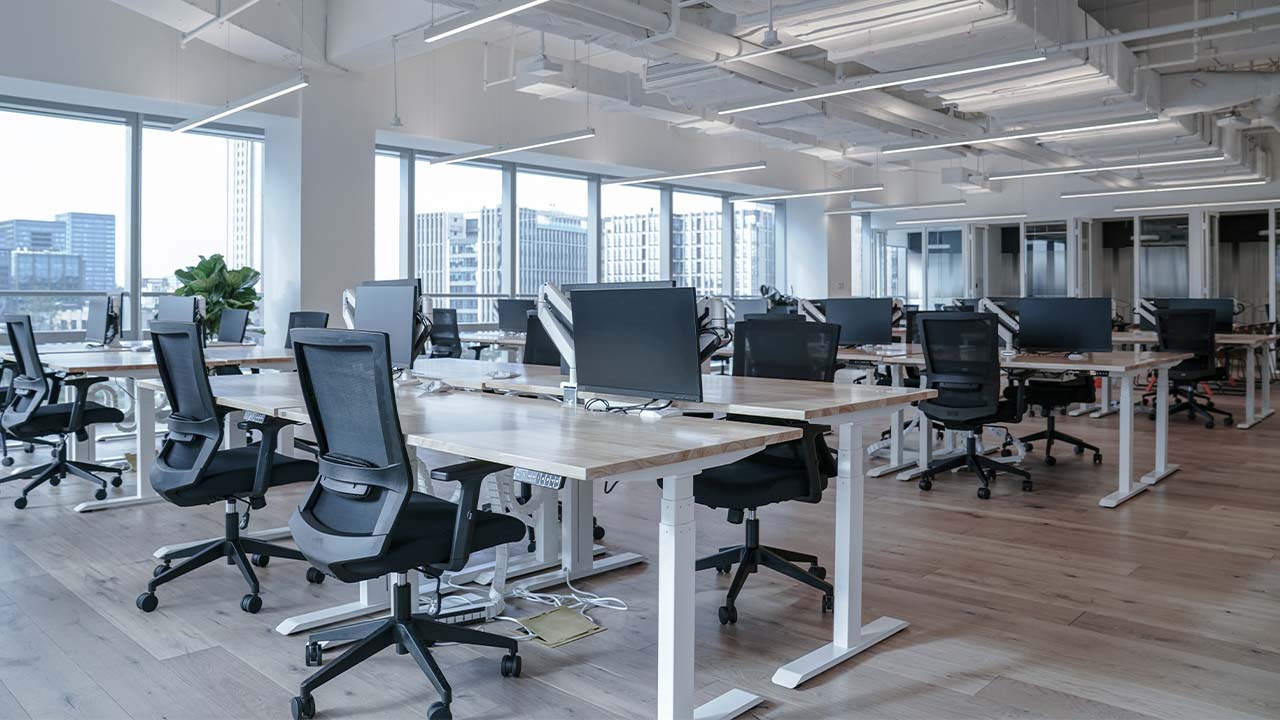
Hazards
Office ergonomics: setting up a safe workstation
Office ergonomics reduces neck, back, wrist and eye strain. Learn how to set up desks, chairs and screens, and what to document for your WHS duties.

Hazards
Environmental risks in industrial operations: 10 key areas
The environmental risks most common in industrial operations, from air and water pollution to chemical spills, and how to manage each one on site.