Moving from reactive to proactive WHS management
How to shift from fixing incidents after they happen to finding and controlling hazards first, with seven practical steps and a checklist for each.
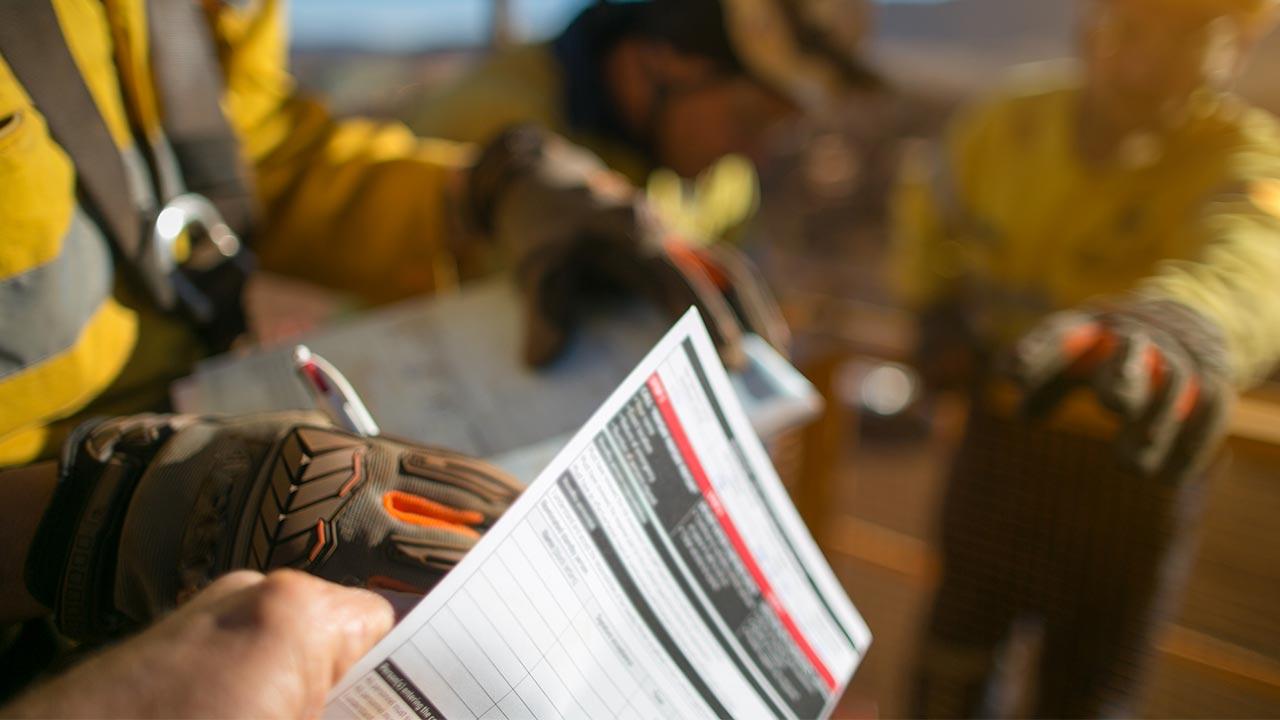
Proactive WHS management means finding and controlling hazards before anyone is hurt. Reactive management waits for an incident, then responds. To shift from one to the other, start with the hazards you already know about: inspect the workplace, ask workers what worries them, review the controls you have, and fix the gaps before the next job starts. Then make it a routine.
The change doesn't need new software or a big budget. It needs a regular rhythm of inspections, a simple way to report problems, and a habit of acting on what people report.
What proactive management looks like
A reactive workplace sees safety as a list of things that went wrong. A proactive one sees it as a list of things that could go wrong, and works through that list before anyone gets hurt.
| Area | Reactive | Proactive |
|---|---|---|
| Hazards | Found after an injury or near miss | Found through regular inspections and worker input |
| Controls | Added after an incident | Reviewed on a set schedule and when things change |
| Reporting | Staff report when something serious happens | Staff report near misses and small problems as they happen |
| Documents | Written or updated after an incident | Kept current, so they match what happens on site |
| Training | Given after a mistake | Given before the work starts, and refreshed when the work changes |
| Leadership | Asks what went wrong | Asks what could go wrong, and what is already being done about it |
Most businesses are somewhere in the middle. You are probably already doing some proactive work, such as pre-start checks or toolbox talks. The aim is to make that work regular, recorded and acted on.
Why it's worth the effort
Proactive management stops harm before it happens, and that is the main reason to do it. It also helps in less obvious ways:
- Fewer disruptions. Each injury means an investigation, downtime and a worker who isn't on the job. Fewer incidents mean fewer stoppages.
- Better records. A dated inspection and a signed control review are the evidence you need when a regulator, principal contractor or insurer asks what you did.
- Stronger buy-in. Workers who see their reports lead to action are more likely to keep reporting.
Seven steps to make the shift
1. Inspect and assess hazards regularly
Start with a walk-through of every work area, and write down what you find. Use a workplace inspection checklist so you check the same things each time. Keep a risk register that lists each hazard, its controls and who owns the fix.
Inspect after a change too: a new machine, a new contractor, a new site layout or a new process.
2. Ask the people doing the work
Workers see the hazards that managers miss. Ask them directly:
- What task today worries you most?
- What have you had to work around to get the job done?
- What would you change first if you could?
Under section 47 of the WHS Act, a PCBU must consult workers who carry out work for it, and that includes contractors' workers on your site. Consultation is a legal duty, not just good practice.
3. Make reporting easy
If reporting takes twenty minutes and a supervisor's signature, people won't do it. Make the form short and let people report on their phone. Use an incident and near-miss reporting form that asks for what happened, where, and what would stop it happening again.
Count near misses as useful information, not as failures. A near miss shows a hazard that hasn't yet hurt anyone.
4. Review controls on time and when things change
Controls don't stay effective on their own. Under regulation 38 of the WHS Regulations, you must review a control measure when:
- it isn't working as intended;
- before a change at the workplace that could affect the risk;
- a new hazard or risk is identified;
- consultation shows a review is needed; or
- a health and safety representative asks for one.
Put the review triggers into your routine. A new piece of plant is a trigger, even if nothing has gone wrong yet. For more on this, read our guide to reviewing risk controls.
5. Use documents that match the site
A procedure that describes a different job is worse than none, because workers will stop trusting it. Keep your procedures, safe work method statements and policies up to date with the work people actually do.
Templates help you start, but adapt them to your site. Check each one against your hazards and your workers' tasks before it goes on the wall.
SafetyDocs has over 1,250 expert-written templates, including inspection checklists, risk registers, incident forms and management plans, so you can start from a tested layout. The job, client and site details fill themselves in. Workers sign on any phone from a text, link or QR code, with no app or account. When you change a document, everyone who signed is asked to sign the new version, and each job keeps a dated activity log of posts, photos, issues and who read and signed what. That record shows the review happened, which helps you show you are meeting your duties. It doesn't make you compliant on its own.
6. Train before the work, not after the mistake
Train new starters before they begin any task. Refresh training when a control changes, a new piece of equipment arrives, or an incident shows a gap. Include the rules for the specific task, not just general induction material.
Practical training works better than slides. Run a short demonstration of a control, then have the worker do it while you watch.
7. Look at the data and act on it
Once a month, review your inspection results, near misses and incident reports together. Look for patterns: the same hazard in three places, or the same task causing problems on different crews. Assign each finding an owner and a date.
A structured WHS audit gives you a formal check on whether the system is working, and shows where to focus next.
Build the habit
Proactive management is a habit, and habits need a routine:
- Daily: pre-start checks and a short toolbox talk on the day's hazards.
- Weekly: a walk-through of high-risk areas, and a review of new reports.
- Monthly: a review of trends, overdue actions and open risk register items.
- Quarterly or after a change: a formal review of controls and documents.
Put these in a calendar, assign them to named people, and record the results.
Common questions
Is proactive WHS management a legal requirement?
The law doesn't use the word "proactive", but it does require you to identify hazards, eliminate or minimise risks so far as is reasonably practicable, and review your controls. Proactive management is how most businesses meet those duties.
How do I start if we have no system at all?
Begin with one work area, one inspection checklist and one way for workers to report problems. Build from there. A small system that people use is better than a large one nobody follows.
Does this need expensive software?
No. A shared register, a checklist and a reporting form are enough for a small business. Software helps when you have many sites or many documents to track.
How do I know it's working?
Watch the trends. You should see more near misses and hazard reports early on, which is good: it means people are reporting. Over time, you should see fewer serious incidents and faster fixes.
This is general information, not legal advice. Check the current law with your WHS regulator.
Template library
Put it into practice with a ready-made SWMS.
Browse SWMS templates written for Australian trades. Preview any of them free, then tailor one to your job in minutes.
Templates for this work
- Form, register or checklistRisk Register
- Form, register or checklistWorkplace Inspection Checklist
- Form, register or checklistIncident/Near Miss Reporting Form
Related guides

Safety management
What is a safety management system (SMS) and why use one?
A safety management system (SMS) is the policies, procedures and reviews that find hazards and control risks. See what one includes and how to start.

Safety management
Safety management plan: what it is and what to include
What a safety management plan is, how it differs from a safety management system and the WHS management plan, and what a beginner's plan should cover.
Safety management
How we build SafetyDocs, and how we look after you
How we design SafetyDocs: simple, seamless tools for the whole crew, built with the people who use them. Tell us what you'd like next.