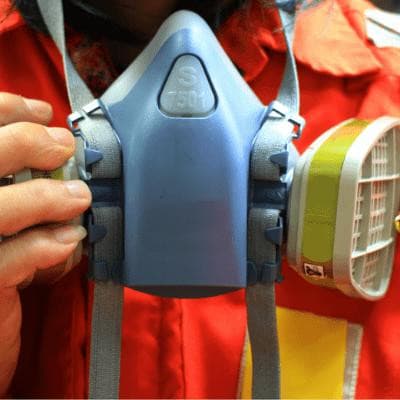
Airborne dust
Dust raised by work, plant movement or dried material that can be breathed in or spread beyond the site.
Por ahora, esta página está en inglés.
Charla de seguridad gratis sobre airborne dust
También conocido como: Dust, Nuisance dust, Dust emissions, Exposure to dust
Cómo controlar: airborne dust
- Choose work methods that create less dust, such as wet cutting, pre-wetting materials or using pre-cut components.
- Fit on-tool dust extraction connected to a suitable vacuum, and use water carts or sprays on haul roads and stockpiles.
- Clean up with a suitable vacuum or wet methods rather than dry sweeping or blowing dust with compressed air.
- Set up screens or barriers, and stop dusty work in strong winds that would carry dust beyond the site boundary.
- Wear respiratory protection suited to the dust, and have tight-fitting respirators fit-tested to the wearer.
Controles habituales, del más eficaz al menos eficaz. Tu SWMS fija los controles para tu propio trabajo y tu obra.
Plantillas que cubren Airborne dust


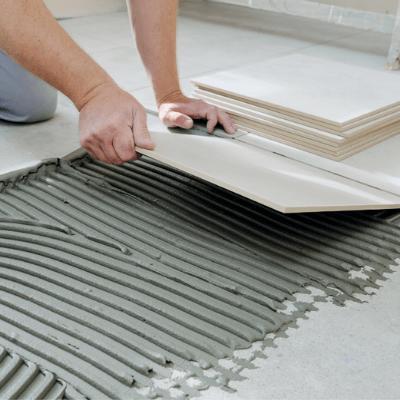



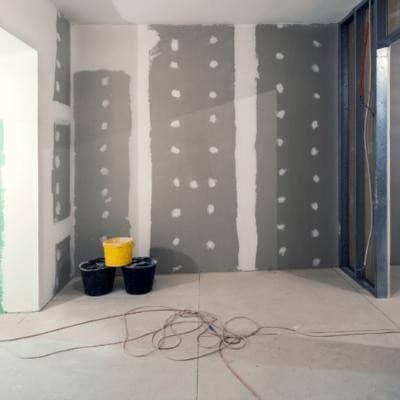
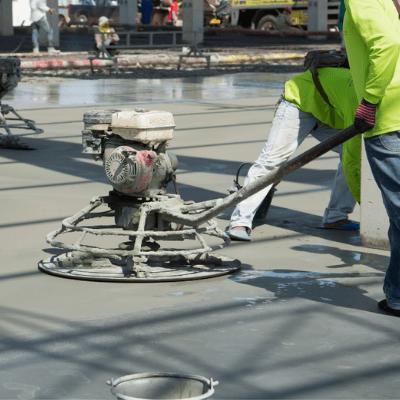



SWMS por oficio
Peligros que suelen aparecer junto a este
- Environmental contamination255 plantillas
- Emergencies253 plantillas
- Manual tasks253 plantillas
- Personal injury, property damage or environmental incident253 plantillas
- Slips, trips and falls253 plantillas
- Unauthorised access252 plantillas
- Mobile plant and vehicles251 plantillas
- Hazardous chemicals248 plantillas
Legislación que citan estas plantillas
- WHS Act 2011141 plantillas
- WHS Regulations 2011141 plantillas
- OHS Act 2004 (Vic)134 plantillas
- OHS Regulations 2017 (Vic)133 plantillas
- Code of Practice: Construction work120 plantillas
- Code of Practice: First aid in the workplace120 plantillas
- Code of Practice: How to manage WHS risks110 plantillas
- Code of Practice: Work environment and facilities110 plantillas