
Cold burns and frostbite
Skin or eye contact with liquefied gas or rapidly evaporating refrigerant that freezes tissue and causes cold burns or frostbite.
यह पेज अभी अंग्रेज़ी में है।
cold burns and frostbite पर मुफ़्त टूलबॉक्स टॉक
इन नामों से भी जाना जाता है: Frostbite, Cold burns, Cold burn, Rapid evaporation of liquid, Contact with liquefied gas
cold burns and frostbite को कैसे नियंत्रित करें
- Use workers who hold the correct refrigerant handling licence, and recover refrigerant with proper equipment instead of venting it.
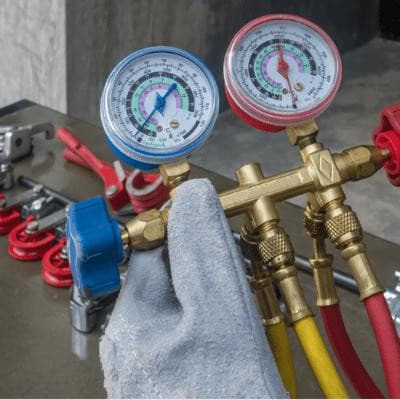
- Check hoses, gauges and fittings before connecting, and close valves before disconnecting to stop liquid escaping.
- Stand clear of valves, hose ends and relief outlets when opening or venting systems that hold liquefied gas.
- Wear insulated gloves, safety glasses and a face shield when handling liquefied gas, cryogenic liquids or refrigerant.
- Treat cold burns by gently warming the area with lukewarm, not hot, water without rubbing, and get medical help.
आम नियंत्रण, सबसे असरदार पहले। आपके अपने जॉब और साइट के नियंत्रण आपका SWMS तय करता है।
Cold burns and frostbite को कवर करने वाले टेम्पलेट
 वैल्यू पैक · 20 टेम्पलेट
 +16
 सिस्टम · 113 दस्तावेज़
 +109
 सिस्टम · 100 दस्तावेज़
 +96
 वैल्यू पैक · 28 टेम्पलेट


 +24वैल्यू पैक · 40 टेम्पलेट
 +36
 सिस्टम · 130 दस्तावेज़
 +126सिस्टम · 121 दस्तावेज़
 +117
 वैल्यू पैक · 6 टेम्पलेट

 +2
 वैल्यू पैक · 19 टेम्पलेट

 +15सिस्टम · 119 दस्तावेज़
 +115सिस्टम · 100 दस्तावेज़+96
 वैल्यू पैक · 24 टेम्पलेट
 +20वैल्यू पैक · 35 टेम्पलेट+31सिस्टम · 126 दस्तावेज़+122सिस्टम · 110 दस्तावेज़+106सिस्टम · 128 दस्तावेज़
 +124सिस्टम · 115 दस्तावेज़+111
ट्रेड के अनुसार SWMS
इसके साथ आने वाले ख़तरे
ये टेम्पलेट जिन कानूनों का हवाला देते हैं
- WHS Act 201117 टेम्पलेट
- WHS Regulations 201117 टेम्पलेट
- OHS Act 2004 (Vic)14 टेम्पलेट
- AS/NZS ISO 45001:201813 टेम्पलेट
- Code of Practice: Construction work13 टेम्पलेट
- Code of Practice: First aid in the workplace13 टेम्पलेट
- Code of Practice: How to manage WHS risks13 टेम्पलेट
- Code of Practice: Managing risks of hazardous chemicals13 टेम्पलेट