Psychosocial Risk Assessment Checklist
Psychosocial hazards in the workplace can significantly impact the health and well-being of workers, as well as the productivity and success of organisations. In the Australian context, a range of psychosocial hazards has been identified, including high job demand and low control, poor support and supervision, role ambiguity, and job insecurity. These hazards can result in high-stress levels, burnout, and other mental health issues for workers, as well as increased absenteeism and reduced business performance.
A psychosocial risk assessment checklist can be a valuable tool. This checklist can help identify potential hazards and risk factors in the workplace and develop strategies for prevention and intervention. By using a systematic and evidence-based approach to identify and manage psychosocial risks, employers can improve their workers' health and well-being and enhance their organisation's overall success.
The checklist can be part of a broader workplace health and safety strategy and be tailored to suit different workplaces' needs and requirements. By involving workers in the process and addressing identified hazards, employers can create a safer and healthier work environment and reduce the impact of psychosocial risks on their businesses.
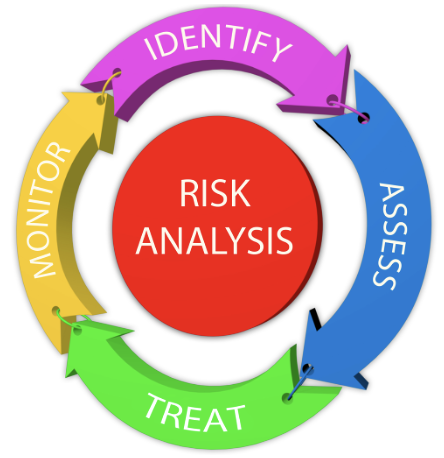
Procedure for undertaking a psychosocial risk assessment
Review the checklist: Review the risk assessment checklist to familiarise yourself with the hazards and proposed controls.
Conduct a walkthrough: Conduct a workplace walkthrough, observing work processes and worker interactions. Use the checklist to identify any potential hazards that may impact the psychosocial well-being of workers.
Engage with workers: Engage with workers to understand their experiences and concerns. Encourage them to share their feelings and thoughts by asking open-ended questions.
Analyse the data: Analyse the data collected from the walkthrough and worker engagement to identify trends or patterns. Use the risk assessment checklist to assess the risks associated with the identified hazards.
Prioritise issues: Prioritise the issues based on their likelihood and severity of harm, potential consequences for individuals and the organisation, and any relevant legal or regulatory requirements.
Develop a plan: Develop a plan to address the identified issues. This may involve developing policies and procedures, providing training and education, providing resources and support, and monitoring and evaluating the effectiveness of the controls.
Implement the plan: Implement the plan to address the identified issues. Ensure all relevant stakeholders are informed and involved in the implementation process. Regularly review and improve the risk assessment process to ensure it remains relevant and effective. Identify any areas for improvement by seeking feedback from workers and stakeholders.
Tick each question whose answer is yes, and record the current controls under it.
Poor organisational change management
Have health and safety impacts been considered during organisational changes such as downsizing or relocations?
Current controls:
Possible solutions:
Conducting a thorough health and safety impact assessment is essential to identify potential hazards or risks to workers before making any organisational changes. This assessment should consider the impact of downsizing or relocation on workers' physical and mental health, workload, job security, and job satisfaction.
Is there sufficient planning and organisation for the proposed changes?
Current controls:
Possible solutions:
A well-defined and structured change management plan may be developed that outlines the steps involved in the proposed organisational changes. The plan should include timelines, key stakeholders, and resources for successful implementation.
Have stakeholders been consulted and engaged in the change process?
Current controls:
Possible solutions:
All relevant stakeholders, including workers, trade unions, and management representatives, should be consulted and engaged in the change process. This engagement should include opportunities for feedback and input into decision-making processes.
Are key messages, updates, and reasons for change being communicated effectively?
Current controls:
Possible solutions:
Effective communication is essential during organisational changes. A clear and concise communication strategy should be developed, which includes regular updates, key messages, and reasons for change. The strategy should also include opportunities for workers to ask questions and provide feedback.
Is there adequate support provided to those affected during transition times?
Current controls:
Possible solutions:
Organisational changes can be stressful for workers, and providing adequate support during the transition is essential. This support can include access to counselling services, worker assistance programs, and career development support. Additionally, providing clear information about job security and career progression opportunities is important.
23 ਹੋਰ ਭਾਗ, Low reward and recognition ਤੋਂ Poor management practices ਤੱਕ
ਪੂਰਾ ਲਿਖਿਆ ਹੋਇਆ, ਤੁਹਾਡੇ ਕਾਰੋਬਾਰ ਦੇ ਵੇਰਵਿਆਂ ਲਈ ਤਿਆਰ।