
Free traffic management plan template
Start a traffic management plan (TMP) free, with no sign-up: open a construction or workplace plan in the editor and add your site's routes, loading areas and controls. Sign up free to save it, share it by QR code or link, and have your crew sign on their phones. A library template is $89.95 to keep, once.
What a traffic management plan is
A traffic management plan sets out how vehicles, powered mobile plant and pedestrians move around a workplace, and how you control the risk wherever they meet: travel paths, pedestrian routes, loading areas, signs and barriers, and who is responsible for each control.
The WHS laws don't name a traffic management plan, but they do require you to protect people from moving vehicles so far as is reasonably practicable, and Safe Work Australia's traffic management guides describe a written plan as the way to do it. Construction work on or next to a road or other traffic corridor in use by traffic other than pedestrians is high-risk construction work (regulation 291), so it needs a SWMS before it starts (regulation 299).Sources: WHS Act, section 19 · Safe Work Australia: General guide to workplace traffic management · Safe Work Australia: Traffic management guide for construction work
How to write a traffic management plan
Map the site
Draw the gates, roads, parking, loading bays, blind corners and pedestrian routes, and any public road next to the site. Walk it when traffic is busiest.
Find where vehicles and people meet
Each place a vehicle meets a person, or another vehicle, is a risk. Note how often each happens, and when: a reversing truck at 6 am is a different risk from the same truck at 2 pm.
Choose controls in order
Keep people and vehicles apart first, with separate routes, barriers and one-way systems. Then add reversing cameras and alarms, and use signs, spotters and high-visibility clothing last.
Brief the crew and review it
Put the plan in the site induction and have workers sign on. Review it after an incident, when a control isn't working and before the site's layout or traffic changes.
Traffic management templates to start from
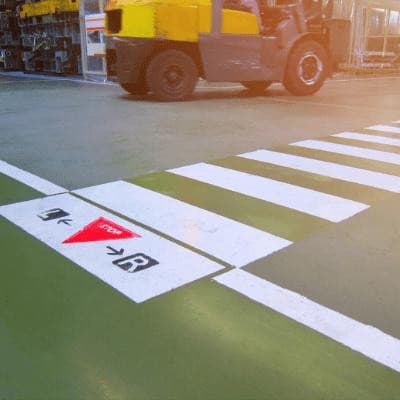
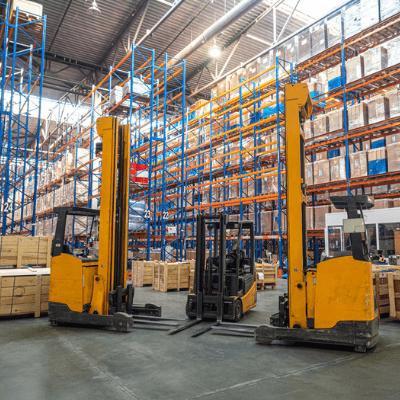
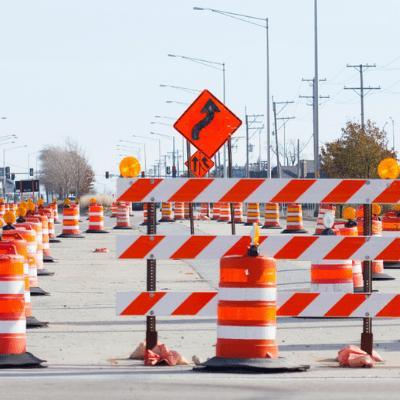
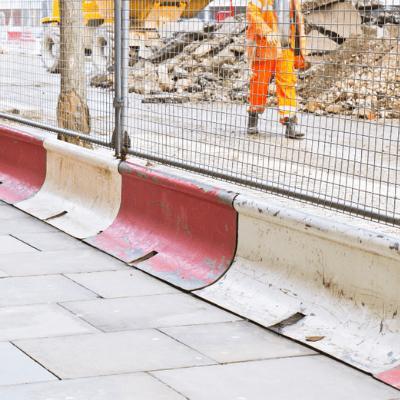
Traffic management plans for construction sites and workplaces, with the checklists, risk assessments and procedures that go with them. Try any of them in the editor before you sign up.



What you get free
- The editor, to fill in and tailor any library template before you sign up
- Printable toolbox talks on common hazards
- The 5×5 risk matrix calculator
- Share by QR code, link or site tablet
- See who's signed
- Join other companies' jobs and sign
- 20 AI credits a month, to convert files and translate
Related pages and guides
Common questions
- Is the traffic management plan template really free?
- Trying it is: open a traffic management plan in the editor and fill it in with no sign-up. A free account lets you save it, share it and get it signed. A library template costs $89.95 to keep, once, and workers sign free.
- Is a traffic management plan a legal requirement?
- The WHS laws don't name one, but they do require you to ensure, so far as is reasonably practicable, that your work doesn't put workers or anyone else at risk (section 19 of the WHS Act), and moving vehicles are one of those risks. A written plan is the usual way to show you manage it. Road authorities and principal contractors can require one too.Sources: WHS Act, section 19 · Safe Work Australia: General guide to workplace traffic management
- What's the difference between a TMP and a traffic control plan?
- A traffic management plan covers the whole workplace or site. A traffic control plan (TCP) covers one job or stage of work on or next to a road: where each sign, cone, barrier and traffic controller goes. AS 1742.3 is the main standard for traffic control at roadworks, and the road authority decides who may prepare and approve a TCP.Sources: AS 1742.3
- Do I need a SWMS for work near a road?
- Yes, if it's construction work on or next to a road or other traffic corridor in use by traffic other than pedestrians. That's high-risk construction work under regulation 291, so a SWMS must be prepared before the work starts (regulation 299). It should refer to the traffic control plan. Other work near traffic, such as deliveries or warehouse work, doesn't need a SWMS by law, but its traffic risks still have to be managed.
- When should a traffic management plan be reviewed?
- Regularly, and after an incident, so it keeps up with changes at the workplace. Review it when a control isn't working and before the site's layout, vehicles or work change. Workers should know the current plan, so put it in the site induction.Sources: Safe Work Australia: Traffic management guide for construction work