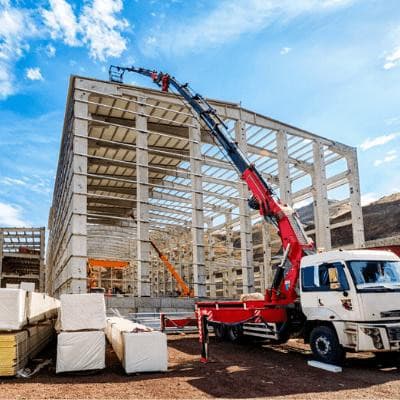
Crane and load collision
A crane, its boom or a suspended load striking another crane, a structure or people, often where cranes share airspace.
Also known as: Load collision, Crane collision
How to control crane and load collision
- Plan crane positions and slewing paths so working radii don't overlap, or set a no-go zone for each crane where they must.
- Check for structures, scaffolds and power lines within the crane's working envelope before set-up.
- Use anti-collision systems or spotters to keep cranes, booms and loads apart where cranes share airspace.
- Agree a lift plan and a communication channel with other crane operators, doggers and spotters before lifting.
- Use tag lines to control load rotation, and keep people out from under and beside suspended loads.
- Stop lifting when visibility or wind reduces the operator's control of the load.
Typical controls, most effective first. Your SWMS sets the controls for your own job and site.
Templates that cover Crane and load collision
SWMS by trade
Hazards that come up alongside it
Legislation these templates cite
- Code of Practice: Construction work2 templates
- Code of Practice: Managing risks of plant in the workplace2 templates
- OHS Act 2004 (Vic)2 templates
- OHS Regulations 2017 (Vic)2 templates
- WHS Act 20112 templates
- WHS Regulations 20112 templates
- Code of Practice: First aid in the workplace1 template
- Code of Practice: How to manage WHS risks1 template