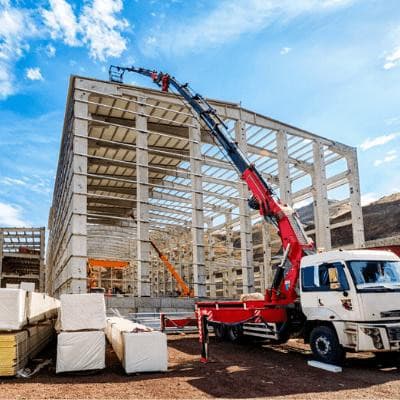
Load failure
Loads that shift, swing, fall or break loose because they are unsecured, badly rigged or lifted with damaged or unsuitable lifting gear.
Also known as: Falling load, Falling loads, Unsecured load, Unsecured loads, Rigging failure, Load equipment failure, Lifting equipment failure, Lifting gear failure, Loss of load control, Dropped loads
How to control load failure
- Have a competent person prepare a lift plan, and use licensed riggers, doggers and crane operators where required.
- Select lifting gear rated for the load, check its identification tag, and inspect it before each lift.
- Remove damaged or untagged slings, chains, shackles and hooks from service immediately.
- Secure loads on vehicles with suitable restraints, and check restraints before travel and at stops on long trips.
- Use tag lines to control swinging loads, and never stand or walk under a suspended load.
Typical controls, most effective first. Your SWMS sets the controls for your own job and site.
Templates that cover Load failure
SWMS by trade
Hazards that come up alongside it
Legislation these templates cite
- Code of Practice: Construction work2 templates
- Code of Practice: Managing risks of plant in the workplace2 templates
- OHS Act 2004 (Vic)2 templates
- OHS Regulations 2017 (Vic)2 templates
- WHS Act 20112 templates
- WHS Regulations 20112 templates
- Code of Practice: First aid in the workplace1 template
- Code of Practice: How to manage WHS risks1 template