3 types of environmental hazards in the workplace: examples
The three types of workplace environmental hazards are chemical, physical and biological. See examples of each, and the controls that reduce the risk.
Hiện bài viết này chỉ có bằng tiếng Anh.
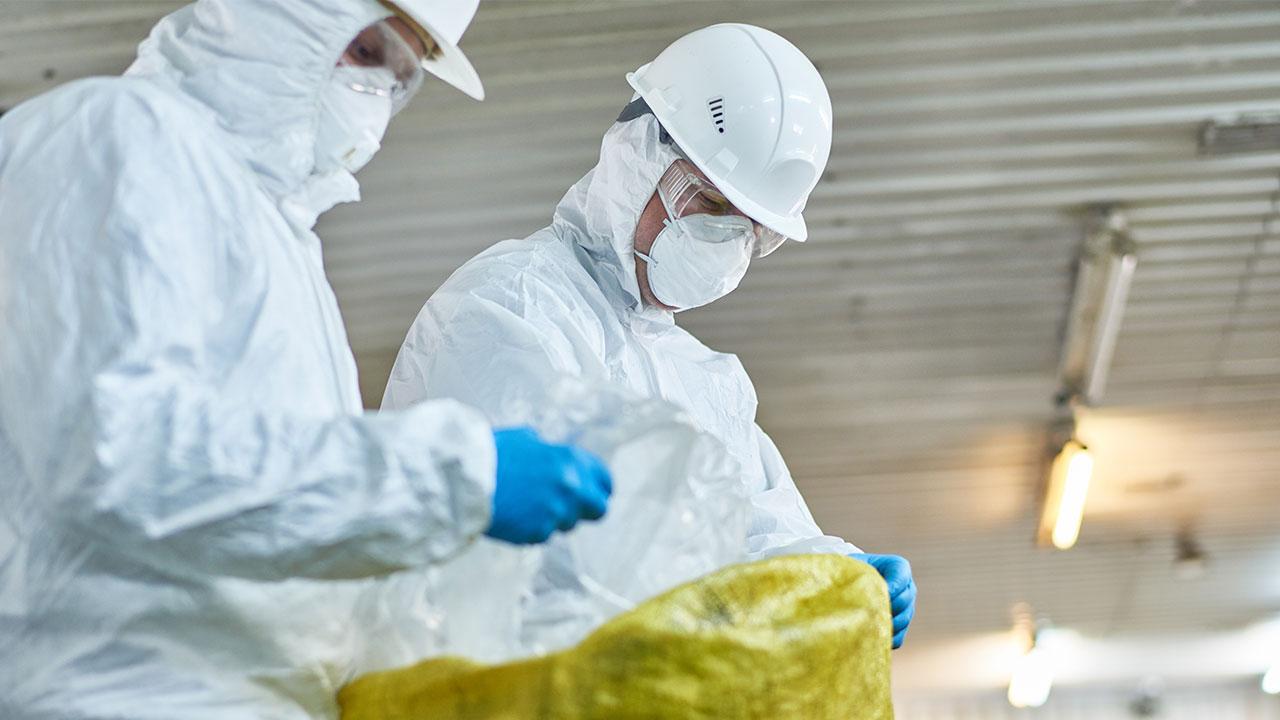
Environmental hazards in the workplace are the substances and conditions in a workplace that can harm a worker's health or safety. They fall into three types: chemical hazards such as solvents, cleaning products and silica dust; physical hazards such as noise, vibration, extreme heat and slippery floors; and biological hazards such as bacteria, viruses, mould and animal waste.
The table below gives examples of each type and where you're most likely to find them. The sections after it explain how to control each one.
| Type | Examples | Where you'll find them |
|---|---|---|
| Chemical | Solvents, paints, adhesives, cleaning products, pesticides, welding fumes, silica dust, asbestos | Construction, manufacturing, cleaning, agriculture, labs |
| Physical | Noise, vibration, extreme heat or cold, poor lighting, slippery floors, repetitive movements | Almost every workplace, but especially plant rooms, workshops, kitchens and warehouses |
| Biological | Bacteria, viruses, fungi and mould, animal waste, sharps, insect and animal bites | Healthcare, aged care, childcare, agriculture, waste management, cleaning |
Psychosocial hazards, such as bullying, harassment and aggression from customers, are a separate category. They're managed under their own rules, but they affect your people's health as much as these three types do.
Chemical hazards
Chemical hazards are substances that can harm people through contact, breathing them in or swallowing them. They can be liquids, gases, solids, dusts or vapours. The harm can be immediate, such as a burn from a corrosive cleaner, or long-term, such as lung disease from silica dust.
Examples by industry:
- Construction: paints, adhesives, solvents, concrete additives, and silica dust from cutting or grinding masonry
- Cleaning and hospitality: detergents, sanitisers, degreasers and drain cleaners
- Manufacturing: solvents, acids, lubricants and metalworking fluids
- Agriculture: pesticides, fertilisers and fuel
- Healthcare: disinfectants and some medicines
Controls that work:
- Know what's on site. Keep a chemical register, and read the safety data sheet (SDS) for each product. The role of safety data sheets explains what to look for.
- Label every container. Hazardous chemicals are classified under the Globally Harmonised System (GHS), so labels and SDSs use the same hazard pictograms and wording.
- Store them properly. Keep chemicals in suitable containers, in a ventilated area, and apart from incompatible substances. The chemical storage guide covers segregation in more detail.
- Substitute where you can. Use a less hazardous product if one will do the job. This is higher on the hierarchy of controls than PPE.
- Use PPE last. Gloves, eye protection and respirators protect workers when other controls can't remove the risk. Choose PPE that suits the chemical, and check it fits.
The model Code of Practice: Managing the risks of hazardous chemicals in the workplace sets out the process in full. Our hazardous chemicals hazard page lists more controls.
Physical hazards
Physical hazards cause harm without a substance getting into the body. They often come from the way the workplace is built or run. Common examples include:
- Noise: loud machinery or tools that cause hearing loss or stress
- Vibration: hand-arm or whole-body vibration from power tools, plant or vehicles
- Temperature extremes: working in extreme heat or cold, including on hot surfaces or in cold stores
- Radiation: UV from the sun, and in some workplaces X-rays, lasers or radio frequency energy
- Poor lighting: too little light to see hazards, or glare that hides them
- Slips, trips and falls: wet or uneven floors, cables and clutter in walkways
- Ergonomic hazards: poor workstation design, awkward postures and repetitive movements
Controls by type:
- Noise. Buy quieter equipment, enclose or isolate noisy machines, maintain equipment so it runs quietly, and provide hearing protection that fits. Test noise levels if you're not sure whether the work is loud enough to need it.
- Vibration. Choose tools with anti-vibration features, rotate tasks so no one is exposed for long, and maintain tools and seats.
- Heat. Provide shade, ventilation and rest areas, schedule the heaviest work for cooler parts of the day, and make sure workers drink enough water. The heat stress hazard page lists more controls, and heat stress management covers the risk in detail.
- Light. Fix the lighting before a task starts, and use portable lights where the work area is dark.
- Slips and trips. Clean spills at once, keep walkways clear, and use non-slip mats where floors get wet. The slips, trips and falls hazard page has more.
The WHS Regulations also require you to review control measures when they stop working, when the workplace changes, or when a new hazard shows up (regulation 38). Physical hazards change with the seasons and with new equipment, so check your controls regularly.
Biological hazards
Biological hazards are living things or products of them that can harm people. They include:
- Pathogens: bacteria, viruses and fungi that cause disease
- Toxins: poisons produced by living things, such as some mould or plant toxins
- Allergens: substances, including mould and some animal proteins, that cause allergic reactions
- Parasites: organisms such as Giardia that can be passed on through contaminated food or water
- Sharps: needles and other sharp items contaminated with blood or body fluids
Healthcare, aged care, childcare, agriculture and waste management workers face these hazards most often, but any workplace with food, animals, water or bodily fluids can have them.
Controls:
- Hygiene. Provide handwashing facilities, teach staff good hand and respiratory hygiene, and make sure they wash after handling waste or animals.
- Vaccination. Offer vaccinations for diseases your workers are exposed to, such as hepatitis B for healthcare workers. Keep a record of who has been vaccinated.
- Cleaning and disinfecting. Clean frequently touched surfaces such as door handles, keyboards and shared equipment, using products suited to the pathogen.
- Waste handling. Separate sharps, infectious waste and general waste. Use labelled, puncture-resistant containers, and use a licensed waste contractor for biohazard waste.
- Outbreak plans. Write a plan for managing an infectious disease outbreak. It should cover isolation, who makes decisions, how staff report symptoms, and how you'll keep the plan current.
The biological hazards page has more controls, and the food and drinking water safety page covers food-borne risks.
How to control environmental hazards
The same method works for all three types:
- Identify the hazards. Walk the workplace, ask the workers, and check your SDSs, incident reports and maintenance records.
- Assess the risk. Decide how likely each hazard is to cause harm and how serious the harm would be.
- Control the risk. Work down the hierarchy of controls. Eliminate the hazard where you can, substitute, isolate, use engineering controls, then use administrative controls and PPE last. The hierarchy of controls explains each step.
- Train and supervise. Workers need to know what the hazards are, what the controls are, and what to do if a control fails.
- Review. Check that the controls are working, and update them after an incident, a change in the work or a new product.
Write the controls into your procedures so they're followed the same way every time, and so new workers and relief staff know what to do.
How SafetyDocs helps
SafetyDocs has expert-written templates for environmental hazards, including hazardous chemical registers, plant and workplace inspection checklists, and safe work procedures for chemical handling and cleaning. You fill in the site details once, and workers sign on from their phone or a QR code. When a procedure changes, everyone who signed the old version is asked to sign the new one. This helps you keep the records in order, but it doesn't make your workplace compliant on its own.
Common questions
What are environmental hazards in the workplace? They're the chemical, physical and biological factors in a workplace that can harm a worker's health or safety. Examples include chemical fumes, loud noise, mould, extreme heat and wet floors.
Is noise an environmental hazard? Yes. Noise is a physical hazard. It can cause hearing loss over time and can also add to stress. Control it at the source first, and use hearing protection as a last resort.
Are psychosocial hazards environmental hazards? Usually not. Psychosocial hazards come from how work is designed and managed, and from behaviour such as bullying or aggression. They are managed under the psychosocial hazards rules, which are separate from the environmental controls above.
How often should I review environmental controls? Review them when they stop working, before a change to the work, when a new hazard appears, and when a worker or health and safety representative asks for a review.
This is general information, not advice. Check the current requirements with your WHS regulator.
Thư viện mẫu
Áp dụng ngay với một SWMS soạn sẵn.
Xem các mẫu SWMS viết cho các ngành nghề ở Úc. Xem trước miễn phí bất kỳ mẫu nào, rồi điều chỉnh cho công việc của bạn trong vài phút.
Hướng dẫn liên quan

Mối nguy
10 hospitality safety hazards and how to control them
The 10 main safety hazards in hotels, restaurants and bars, from slips and burns to fatigue and aggression, with practical controls for each.

Mối nguy
Fatigue management at work: causes and controls
What causes fatigue at work, why it makes injuries more likely, and the controls employers use, from rosters and breaks to policies, training and reviews.

Mối nguy
Environmental risks in industrial operations: 10 key areas
The environmental risks most common in industrial operations, from air and water pollution to chemical spills, and how to manage each one on site.