10 hospitality safety hazards and how to control them
The 10 main safety hazards in hotels, restaurants and bars, from slips and burns to fatigue and aggression, with practical controls for each.
Hiện bài viết này chỉ có bằng tiếng Anh.

The main safety hazards in hospitality are slips and falls, manual handling, burns and scalds, chemicals, electrical faults, sharp tools, machinery, fatigue, aggression from customers, and food safety. Most of them come from the same few things: wet floors, heavy loads, hot equipment, long shifts and busy service. Each one can be controlled with the basics: a clean, well-lit workplace, the right equipment, trained staff, and written procedures that people actually follow.
1. Slips, trips and falls
Floors in kitchens and bars get wet quickly, from spills, cleaning and ice. Cables, mats and stock left in walkways cause most trips. Look for:
- Wet floors near sinks, dishwashers and bar stations
- Damaged, cracked or uneven flooring
- Boxes, bins and cables in walkways and at back doors
- Poor lighting in storerooms, cellars and car parks
- Shoes with worn or smooth soles
Clean spills straight away and put out a wet floor sign. Use non-slip mats where floors stay wet, and keep walkways and exits clear. Make slip-resistant footwear a condition of work in kitchens and bars, and check that staff wear it. For more on this hazard, see the slips, trips and falls hazard page.
2. Manual handling
Kegs, crates of drinks, stockpots and trays of food all involve lifting, carrying and pushing. Sprains and strains are common when people reach, twist or lift heavy loads on their own. Set up the work so it's easier:
- Use trolleys, dollies and hand trucks for kegs and crates
- Store heavy stock between knee and shoulder height
- Ask for help with anything heavy or awkward, rather than lifting alone
- Set counters, benches and bar heights to suit the people using them
The model Code of Practice: Hazardous manual tasks gives more detail on how to assess and control these tasks.
3. Burns and scalds
Fryers, ovens, grills, steam tables, coffee machines and pots of boiling water all cause burns and scalds. Hot oil splashes when it's overfilled or wet food goes in. Reduce the risk by:
- Using long-handled baskets and lowering devices on fryers
- Keeping handles turned in and pot lids closed on the stove
- Covering or guarding steam and hot-water outlets
- Putting heat-resistant gloves and aprons within reach
- Warning staff with signs near hot surfaces and at the pass
Train staff on the espresso machine, the fryer and safe carrying of hot liquids before they use them alone. How to avoid burns at work goes into more detail.
4. Chemicals
Cleaners, sanitisers, degreasers and polishes can burn skin and eyes, irritate airways, or react dangerously if mixed. Common problems are unlabelled containers, chemicals stored above food, and staff who don't know the dilution rate. To control them:
- Keep every container labelled, including spray bottles and decanted products
- Store chemicals below and away from food, and keep incompatible products apart
- Keep the safety data sheet (SDS) for each product where staff can read it
- Use the dilution and PPE the SDS calls for, such as gloves and eye protection
- Train staff before they handle a product, and again when a new one arrives
The role of safety data sheets in hazard communication explains how to read an SDS.
5. Electrical hazards
Commercial kitchens run a lot of equipment on a lot of power points, often near water. The usual causes are frayed cords, overloaded power boards, and damaged appliances that are still in use. Control the risk by:
- Using residual current devices (RCDs) on power circuits, particularly in wet areas
- Testing and tagging portable equipment on a regular schedule. The AS/NZS 3760 page covers in-service testing
- Taking damaged equipment out of use until it's repaired or replaced
- Using power boards rated for the load, not piling double adapters on top of each other
- Allowing only licensed electricians to do electrical work
6. Sharp tools
Knives, slicers, mandolins and graters cause cuts. Blunt blades make people press harder, and using a knife to open a tin or pry something apart can make it slip and cut a hand. Good practice includes:
- Keeping blades sharp, so cutting takes less force
- Using a knife for cutting only, and a tool for opening tins or boxes
- Storing knives in a block or on a magnetic strip, not loose in a sink or drawer
- Wearing cut-resistant gloves when using a slicer or mandoline
- Training staff on safe cleaning and sharpening, as well as safe use
7. Machines and equipment
Mixers, mincers, slicers, dishwashers and pizza presses have moving parts that can crush, cut or entangle. The risk rises when a guard is removed to clear a jam, or when a machine is cleaned while it's still running. Control this by:
- Keeping guards in place and checking that interlocks stop the machine when a guard is opened
- Making sure every machine has an emergency stop that staff can reach
- Using lockout and tagout before cleaning, clearing or servicing equipment
- Including machine start-up and shut-down in staff training
- Reporting any faulty guard or safety device straight away
The importance of machine guarding explains how guards and interlocks should work.
8. Fatigue
Hospitality often means late finishes, early starts, split shifts and short turnarounds between shifts. Fatigue slows reactions and makes it harder to think clearly, so the risk builds up over a week, not in a single shift. Staff who hold more than one job, or have a long commute, can be at greater risk.
Plan rosters with fatigue in mind. Allow enough time between shifts for sleep, schedule regular breaks, and keep the same people from working every late shift. Ask staff how they're going and raise problems early. The Safe Work Australia guide for managing the risk of fatigue at work sets out how to identify, assess, control and review fatigue risks. Our fatigue hazard page has more on this hazard.
9. Aggression and violence
Intoxicated or angry customers, late-night trading, cash handling and lone staff after close all raise the risk of aggression. Staff may also be harassed or bullied by customers or colleagues. This is a psychosocial hazard, and the model Code of Practice on managing psychosocial hazards at work sets out how to manage it.
Practical steps include:
- A written policy on how staff should respond to aggressive or abusive customers, including when to refuse service
- De-escalation training, so staff know how to speak calmly and when to call for help
- Two staff at close where possible, and a safe way out of the building
- An incident report process that staff can use without fear, including a confidential option
- Follow-up after every incident, so staff know the report led to something
The aggression and violence hazard page lists the controls in more detail, and the library has a working with the public policy you can adapt.
10. Food safety
Food safety hazards include bacteria, viruses, parasites and fungi, foreign objects such as glass or metal, and food held at the wrong temperature. Cross-contamination between raw and cooked food is also common in busy kitchens. The controls are the ones you'd expect:
- A food safety program built around the food you sell and the way you prepare it
- Hazard analysis at critical control points (HACCP), which uses seven principles to identify and control food hazards
- Training for every food handler, including managers, on temperature control and hygiene
- A policy that stops anyone who is unwell from handling food
- Temperature checks on fridges, freezers and hot-holding equipment, with records kept
- Separate boards, utensils and storage for raw and cooked food
Food safety rules are set by your state or territory food authority, so check what applies to you. The food and drinking water safety hazard page and the workplace hygiene plan are a good place to start.
Put your controls in writing
Knowing the hazards is the first step. Staff, new starters and relief staff also need to know how each high-risk task is done safely, such as using a fryer, cleaning a slicer or closing the cellar. A written procedure turns good intentions into a routine people can follow.
How SafetyDocs helps
SafetyDocs has expert-written templates for hospitality work, including SOPs for kitchen equipment, a food and beverage SOP pack and a kitchen service SWMS. You fill in your venue details once, and staff sign on from their phone. When a procedure changes, everyone who signed the old version is asked to sign the new one. It helps you keep your records in order. It doesn't make your venue compliant on its own.
Quick checklist for your venue
- Wet floors are cleaned straight away and walkways are clear
- Heavy stock is stored at a safe height, and trolleys are used for kegs
- Fryers, ovens and steam outlets are guarded, and staff have heat-resistant gloves
- Every chemical is labelled, has an SDS and is stored away from food
- Power boards and portable equipment are tested and tagged
- Machines have working guards and emergency stops
- Rosters allow enough rest between shifts
- Staff know how to handle an aggressive customer and how to report an incident
- Food handlers are trained, and temperature checks are recorded
Common questions
Where should I start with hazards in my venue? Walk through the venue at the busiest time of day, and note the tasks and spots where people slip or rush. Staff can also raise issues through a hazard report process. Rank what you find, and start with the risks most likely to cause serious harm.
Do I have to write down my hazards? You must identify hazards and manage the risks under your primary duty of care (section 19 of the model WHS Act). Writing them down is the simplest way to show you've done it, and to check the controls are still working.
Who is responsible for food safety? The business that runs the venue. The food authority in your state or territory sets the rules, including any food handler training you need.
Does a casual or part-time worker get the same training? Yes. Casual and part-time staff are workers under the WHS laws, so they need the same induction, chemical training and procedures as everyone else.
This is general information, not advice. Check the current requirements with your WHS regulator.
Thư viện mẫu
Áp dụng ngay với một SWMS soạn sẵn.
Xem các mẫu SWMS viết cho các ngành nghề ở Úc. Xem trước miễn phí bất kỳ mẫu nào, rồi điều chỉnh cho công việc của bạn trong vài phút.
Mẫu cho công việc này
Xem thư viện mẫuHướng dẫn liên quan
Mối nguy
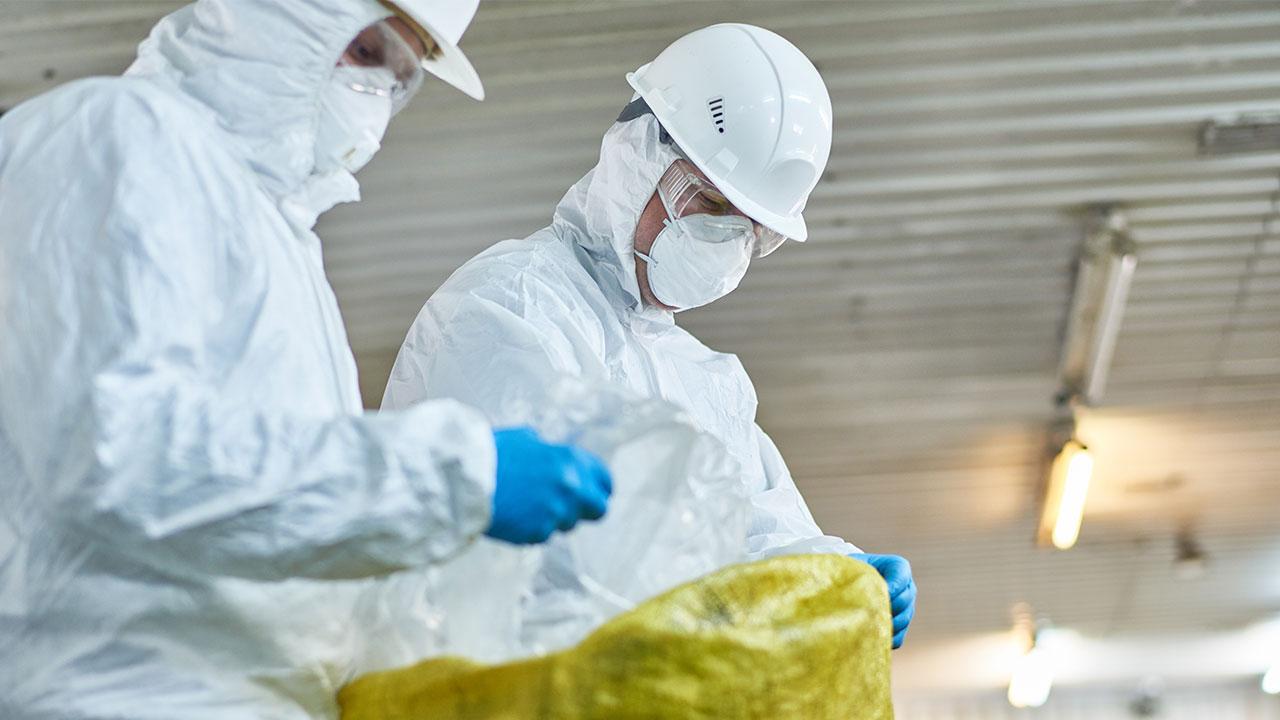
3 types of environmental hazards in the workplace: examples
The three types of workplace environmental hazards are chemical, physical and biological. See examples of each, and the controls that reduce the risk.
Mối nguy
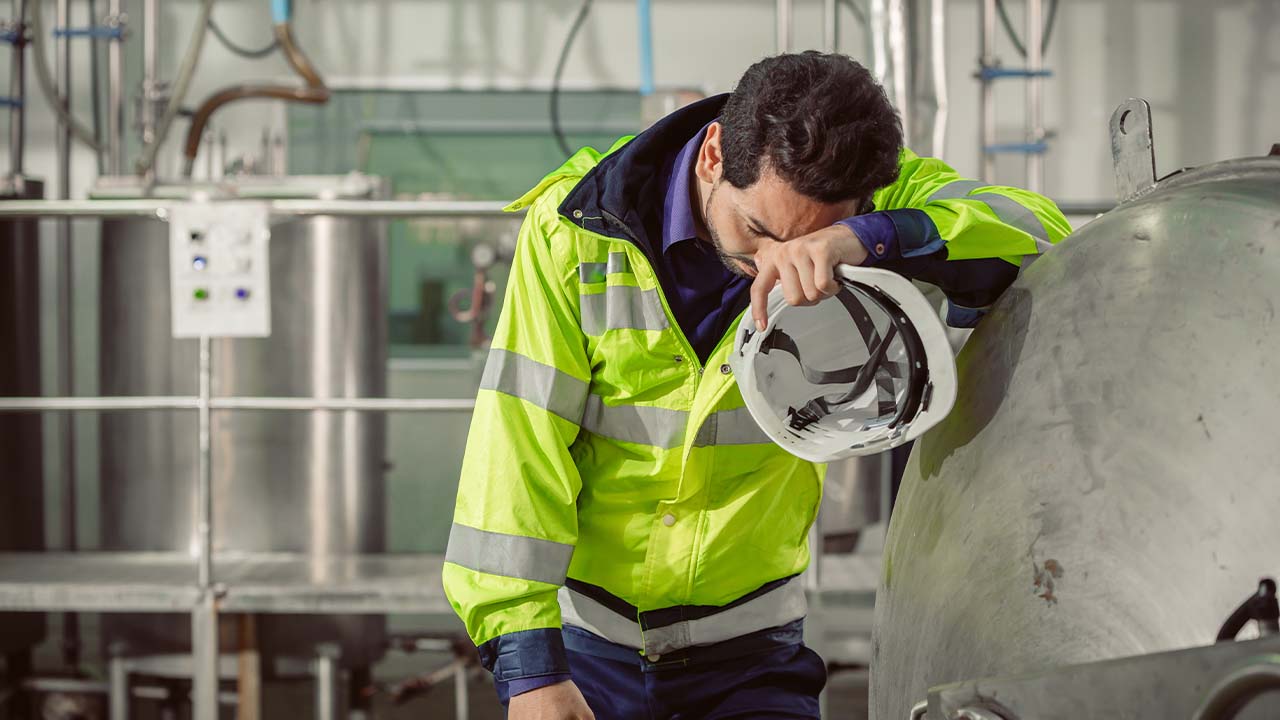
Fatigue management at work: causes and controls
What causes fatigue at work, why it makes injuries more likely, and the controls employers use, from rosters and breaks to policies, training and reviews.

Mối nguy
Environmental risks in industrial operations: 10 key areas
The environmental risks most common in industrial operations, from air and water pollution to chemical spills, and how to manage each one on site.