Wire and Electric Fencing Installation
- Company doing the work
- [Company]
- Business contact
- —
- Business contact phone
- —
- Responsible person (for monitoring SWMS and work)
- —
- Responsible person's phone
- —
- Responsible person's signature
- —
- Date signed
- —
- Principal Contractor (PC)
- [Principal contractor]
- PC Address
- —
- PC phone
- [PC phone]
- Date SWMS provided to PC
- —
- Job Site Address
- [Site address]
- Part of a construction project
- —
Site management plan
If the work is part of a construction project, this SWMS must align with the requirements of the Site Management Plan in place for the Construction Project.
High-risk construction work (HRCW)
This work activity involves the following “High-Risk Construction Work” (HRCW - identified in the Job Task column)
- Mobile Plant
Planning and preparation
Planning
Liaise with Principal Contractor to identify on-site safety systems and procedures
Establish supervisory and communication arrangements
Principal contractor to confirm emergency response procedures are in place.
Hold points
Hold points identified and signed off before continuing work. (specify the hold points)
Training and licences
Relevant workers have relevant certificates of competency, licenses, and training. Specify on the SWMS Sign-off for each worker.
Trained First Aider on site
All workers are trained in site-specific emergency and evacuation procedures, SWMS, safe work procedures, and safety data sheets.
Worker duties and responsibilities
Fit condition for work, i.e., no signs of fatigue, alcohol or drugs
Attend all site inductions/briefings
Comply with all site requirements, e.g. PPE, Traffic Management Plans (TMP)
Only carry out work related to the contract.
Inspect completed work and report possible safety, environmental and quality matters to the supervisor.
Monitoring and review
All people involved in the task must have this SWMS communicated to them before work commences
SWMS to be reviewed and amended if necessary, in consultation with relevant people after any near miss or incident
If additional site hazards are identified, review this SWMS and amend control measures to suit
People, including workers, contractors and sub-contractors, affected by the revisions to this SWMS must be informed ASAP
Give the principal contractor a copy of the revised SWMS
The site supervisor to monitor works against the controls stated in this SWMS
SWMS must be kept on-site and made available for inspection or review
Keep a record of this SWMS until the job is complete or for two years if involved in a notifiable incident
Regardless of any other factor, the person in control of the workplace must review this SWMS at least annually.
Site-specific notes
(add notes specific to this site)
Legislation and codes of practice
None listed.
Personal protective equipment
- Foot Protection
- Hearing Protection
- High Visibility
- Eye Protection
- Hand Protection
- Sun Protection
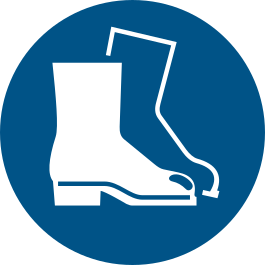

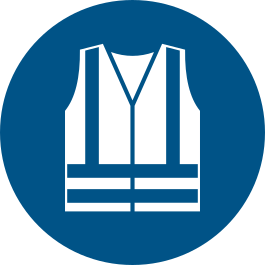



Do not wear rings, watches or jewellery that may become entangled. Long and loose hair must be tied back.
Job steps, hazards and controls
Inherent risk-rating (IR) before controls; residual risk-rating (RR) after controls.
- Work activity
Planning
- Hazard
Incorrect machinery and materials
Before controls3 HighControlsPlan for the type of fence:
Machinery required for clearing fence line, ensure SWMS in place for applicable machine, e.g. bulldozer, grader
Requirements of the fence. e.g. Livestock control, preventing access, land management
Length of fence
Types of wire, i.e. barbed or plain (consider the weight of rolls for worker manually handling on site)
Grade of wire required
Grade of strainer posts or pickets
Spacing of posts and pickets
Gates.
After controls2 ModerateResponsible- Supervisor
- Hazard
Property encroachment / legislative breach
Before controls3 HighControlsIf on the property boundary, ensure neighbours are informed before work commences
Approvals/permits are in place if required, e.g. accessing adjoining properties, vegetation-clearing permits etc.
Confirm the location of the boundary line.
After controls2 ModerateResponsible- Supervisor
- Hazard
Working alone, emergency
Before controls4 AcuteControlsBefore undertaking activities in remote areas, careful planning and preparation must be undertaken
Select the most appropriate vehicle for the conditions
A procedure is developed for regular contact with people working remotely or in isolation, which outlines the frequency, nominated time, and method of contact appropriate for the work location and conditions:
An immediate supervisor or manager is aware of travel itineraries, current locations & what tasks are being undertaken in the remote area(s)
Scheduled contact people and Injury reporting procedures are developed and in place
Mobile & satellite phones and Emergency Position Indicating Radio Beacon (EPIRB) is fit for purpose, tested before departure & phones have spare, fully charged batteries and facilities for continuing charging
An emergency response procedure is developed & followed by the works depot or office if staff in remote areas fails to make scheduled contact at the nominated time
All safety equipment, including first aid & vehicle breakdown/rescue/tool kits & fire extinguisher(s), are checked before departure, fit for purpose, and regularly maintained
Hazard identification procedures:
Sufficient supplies of water, food, fuel & supplies needed
All relevant workers are appraised for required competencies & for any pre-existing medical conditions if working in remote or isolated locations.
After controls2 ModerateResponsible- Supervisor
- Hazard
Hunters - gunshot wounds
Before controls4 AcuteControlsCheck with landowners that no shooters are hunting/culling in the area:
If gunshots are heard nearby, leave the area immediately
Wear high-visibility clothing at all times.
After controls2 ModerateResponsible- Supervisor
- Hazard
Exposure to respirable crystalline silica (RCS) – dust inhalation
Before controls4 AcuteControlsConcrete work- e.g. post setting
Training and information provided to workers on RCS should include the following:
Identification of RCS dust through Safety Datasheet (SDS) or labels
Dust exposure prevention
Checking controls are working and using them
When and how to use any respiratory protective equipment provided and what to do if something goes wrong (Including worker respirator fit and check processes).
After controls2 ModerateResponsible- Supervisor
- Hazard
Extreme weather
Before controls3 HighControlsCheck weather conditions – do not work in extreme conditions
Reschedule works to work in more moderate temperatures.
After controls2 ModerateResponsible- Supervisor
- Hazard
Hyperthermia, hypothermia
Before controls3 HighControlsEnsure workers are trained to recognise the symptoms of hyperthermia and hypothermia
Hot conditions. Ensure:
Suitable protective clothing
Sun brim on hard hats
Safety glasses - UV rated
Use 30+ sunscreen on exposed skin
Adequate drinking water
Access to shade on breaks
Adequate breaks.
Cold conditions. Ensure:
Schedule warm-up breaks
Hold breaks inside
Dress warmly in layers
Stay dry (wet clothing chills the body rapidly)
Workers must get out of the cold as soon as they can if starting to feel symptoms
After controls2 ModerateResponsible- Supervisor
IR before controls · RR after controls1 LLow2 MModerate3 HHigh4 AAcute
Overall risk after controls2 MModeratethe highest rating after controls
Thêm 19 bước công việc, từ Transporting materials đến Emergency response
Mỗi bước đều có mối nguy, mức rủi ro và biện pháp kiểm soát, cùng phần ký nhận của đội.