How to avoid burns at work: prevention and first aid
Prevent burns at work: learn the four types of burn, the high-risk tasks, the controls that stop them, and the first aid steps to take straight away.
本文目前只有英文版。
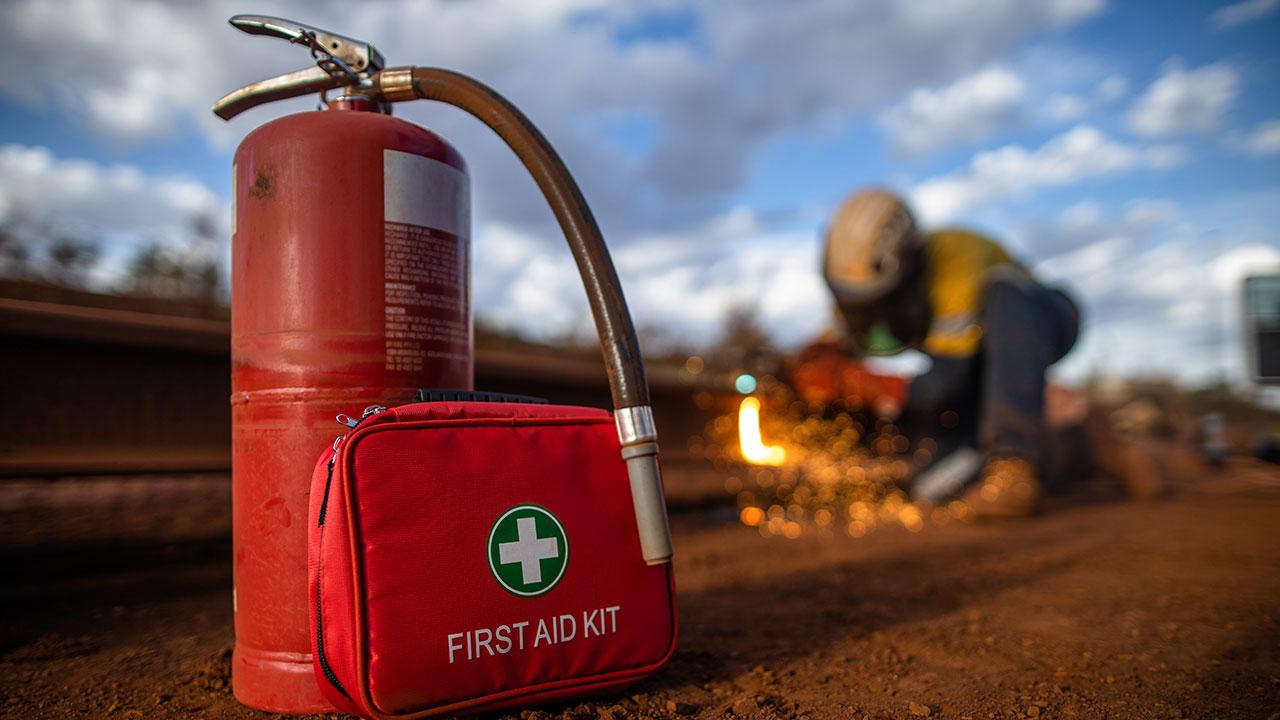
To avoid burns at work, find every place where heat, electricity, chemicals or radiation can reach a person's skin, then control those sources before anyone starts the task. Thermal burns from hot surfaces, liquids, steam and open flames are among the most common kinds at work, and many can be prevented by designing the hazard out or guarding it. Make sure everyone knows how to cool a burn straight away, because the first few minutes make a real difference to how badly the skin is damaged.
The four types of burn
A burn is an injury to the skin or other tissue caused by heat, radiation, electricity, chemicals or friction. The cause affects how you treat it and how you prevent it.
- Thermal burns are the most common at work. They come from flames, hot surfaces, hot liquids, steam and scalding. Common sources include ovens, grills, welding tools, steam pipes and hot metal.
- Electrical burns happen when current passes through the body. They can cause external burns and internal damage. Typical causes include contact with exposed wires, faulty equipment and faulty wiring.
- Chemical burns happen when corrosive substances such as acids, alkalis or solvents touch the skin. Spills, splashes and mixing incompatible chemicals are the usual causes.
- Radiation burns come from ultraviolet light, X-rays or radioactive material. On a worksite, the most common source is the welding arc, which can burn skin and eyes.
How severe burns are classified
The depth of a burn decides how serious it is and how it's treated:
- First-degree burns affect the outer layer of skin. The area is red and sore, like a mild sunburn.
- Second-degree burns go into the next layer. They blister, swell and hurt a lot.
- Third-degree burns damage all layers of skin and sometimes the tissue beneath. The area may look white, charred or leathery, and it can be numb because the nerves are damaged.
Get medical help for any burn that's deep, extensive or in a sensitive area. Call 000 for a severe burn, or if the burn affects the airway or breathing.
Where burns happen at work
Some work carries a higher risk of burns than others:
- Kitchens and hospitality, where cooking equipment, hot oil and steam are used all day.
- Welding and hot work, where sparks, molten metal and welding arcs are present.
- Construction and maintenance, where crews handle hot materials, work near open flames, or work on live electrical equipment.
- Manufacturing and plant operations, where machinery generates heat and processes use corrosive chemicals.
- Cleaning and maintenance using strong chemicals, particularly when mixing products or topping up equipment.
Roles with higher exposure include cooks and kitchen staff, welders, electricians and plant operators. Your risk assessment should identify who's exposed to which hazard, and for how long.
Prevent burns with the hierarchy of controls
Work through the hierarchy of controls and start with the controls that remove the hazard.
| Control level | Examples for preventing burns |
|---|---|
| Eliminate or substitute | Use a lower-temperature process, a water-based product in place of a corrosive one, or battery tools in place of mains-powered ones |
| Isolate | Lock out electrical equipment before work, and separate hot work from people and combustible materials |
| Engineering | Guards and shields on hot equipment, automatic shut-off valves, temperature controls, insulated hot pipes, local exhaust ventilation where chemicals are used |
| Administrative | Safe work procedures, hot work permits, no-go zones, training, and a clear way to report hazards |
| PPE | Flame-resistant clothing, heat-resistant gloves, face shields, chemical-resistant gloves and goggles, and respirators where there are fumes or smoke |
PPE is the last line of defence. It works best when the other controls are already in place, and it has to be rated for the task. Flame-resistant clothing doesn't protect against a chemical splash, and gloves that suit one chemical may not suit another. Check the SDS for each product before you choose the PPE.
Two tasks need particular care:
- Hot work. Welding, cutting and grinding need a hot work permit that checks the area is clear of combustibles, has a fire extinguisher nearby, and has someone watching for fire after the work finishes. The welding SWMS sets out the controls for the task.
- Electrical work. Isolate and test the circuit before you touch it, and follow a lockout/tagout procedure so it can't be switched back on. Electrical burns can happen when someone assumes a circuit is dead.
For chemicals, read the first aid section of the SDS before anyone uses the product, and check that the chemical handling and storage guidance is followed. Keep the eyewash and emergency shower where people can reach them in seconds.
What to do when someone is burned
Act straight away. The steps below follow Australian first aid guidance for burns, and your first aid training should cover them in more detail.
- Stop the burn. Move the person away from the heat source. Turn off the electricity if it's involved, and put out flames by smothering them with a fire blanket or by making the person stop, drop and roll. If the person is in contact with a live source, don't touch them until power is off.
- Cool the burn. Hold the burn under cool running water for at least 20 minutes. Use cool water, not ice. Ice can cause further damage to the skin.
- For chemical burns, flush the area. Wash the chemical off with running water for at least 20 minutes, taking care not to splash unaffected skin. Check the SDS for any specific instructions.
- Remove clothing and jewellery carefully. Take off anything near the burn, unless it's stuck to the skin. Don't peel off anything that's stuck.
- Cover the burn. Use a sterile, non-stick dressing or a clean cloth. Don't use creams, butter or home remedies.
- Check for shock. Signs include pale skin, fainting and rapid breathing. Keep the person warm and lying down.
- Call 000 for severe burns. Call for a severe or extensive burn, a burn in a sensitive area, or any burn that affects the airway or breathing. Electrical burns need medical assessment even when they look minor.
Don't leave the person alone while you wait for help, and keep a record of what happened and what you did.
Emergency equipment and training
Make sure the equipment is in place before an incident happens:
- First aid kits stocked and placed where people work, with burn dressings included
- Emergency showers and eyewash stations tested regularly and kept clear
- Fire extinguishers and fire blankets in the right places, and people trained to use them
- Emergency drills that include a burn response, so the crew knows who calls 000, who gets the kit and who stays with the person
Make sure first aid training covers how to treat burns, and that key staff have current first aid certification.
Report and review
Every burn should be reported, however minor it looks. A small burn can show a gap in your controls, such as a missing guard or a procedure that wasn't followed. After an incident:
- Record how it happened, what was done and any medical treatment
- Look for the gap in your controls, your training or your emergency response
- Update the procedure, the risk assessment or the training
- Check on the injured worker, and plan a safe return to work if they need time off
A hazard report form gives workers an easy way to flag a risk before it causes an injury. Our guide to how to report a hazard in the workplace explains how to set up the process.
Templates to start from
- A welding SWMS for hot work
- A hot work permit to control welding, cutting and grinding
- The hot surfaces and processes hazard page for the controls and risks
How SafetyDocs helps
Burn controls are easy to overlook until something goes wrong. SafetyDocs gives you expert-written SWMS, permits and procedures for hot work, chemicals and electrical tasks, with job and site details filled in for you. Workers can sign on their phones from a text or QR code, and when a procedure changes, everyone who signed the old version is asked to sign the new one.
Common questions
What's the first thing to do for a burn at work? Stop the burn by moving the person away from the heat, electricity or chemical. Then cool the burn under cool running water for at least 20 minutes, and call 000 if the burn is severe.
Should I put ice on a burn? No. Ice can cause further damage. Use cool running water instead.
Do I need a hot work permit for welding? Many sites require one as a control, even where the law doesn't name it. Check your site's WHS plan and the welding SWMS to see what applies to your job.
How do I stop chemical burns? Know the chemicals you use, read the SDS, wear PPE rated for the product, and keep an eyewash and emergency shower close to where you work.
This is general information, not legal advice. Check the current law with your WHS regulator.
模板库
用一份现成的 SWMS付诸实践。
浏览为澳大利亚各工种编写的 SWMS 模板。任何模板都可免费预览,几分钟就能按你的工作改好。
适用于这项工作的模板
浏览模板库相关指南
危险
Environmental risks in industrial operations: 10 key areas
The environmental risks most common in industrial operations, from air and water pollution to chemical spills, and how to manage each one on site.
危险
3 types of environmental hazards in the workplace: examples
The three types of workplace environmental hazards are chemical, physical and biological. See examples of each, and the controls that reduce the risk.
危险
Heat stress management: a plan for hot working conditions
Manage heat stress at work: spot the warning signs, assess heat risks, apply controls, train your crew and review the plan, under Australian WHS laws.