How to report a hazard in the workplace, step by step
Report a workplace hazard in six steps: describe it, say where and how it could cause harm, suggest a fix, tell your supervisor, record it and follow up.
本文目前只有英文版。
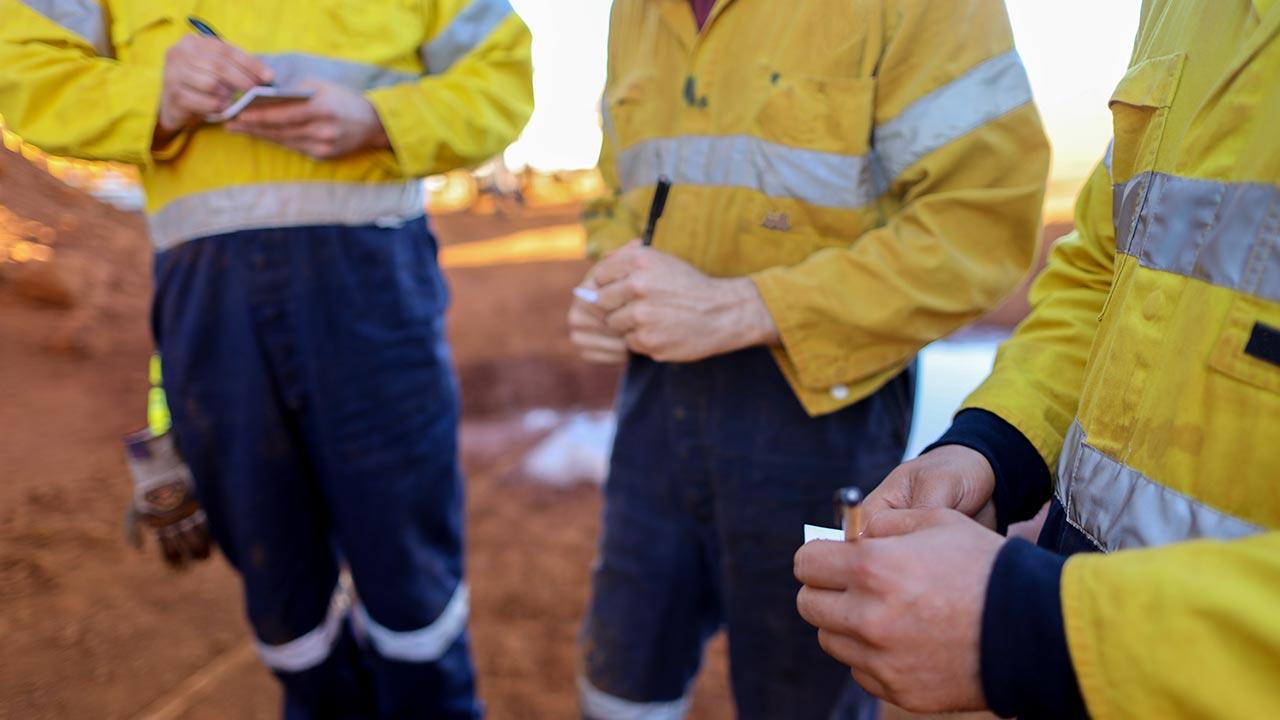
To report a hazard, describe what you've seen and where it is, explain how it could hurt someone, suggest a fix, tell your supervisor or the safety contact, and put it on a hazard report form. Then check that something was done. Reporting early means the fix can happen before anyone is injured, and it's how workers and businesses share the job of keeping the site safe.
The steps below work for any workplace, from a warehouse to a site office, and for physical hazards and psychosocial ones alike.
Steps to report a hazard
- Describe the hazard. Say what it is and exactly where it is, such as "the loading dock ramp at bay 3, with oil on the lower step". Be specific, so someone else can find it without asking you.
- Explain how it could cause harm. Describe the injury or illness it could lead to: "A forklift driver could slip on the oil and fall from the ramp." Thinking about the harm helps the person who fixes it choose the right control.
- Note any controls already in place. Say what's already there, such as a warning sign or a cone, and whether it's working. A sign that's faded or moved is useful to know.
- Suggest a fix, if you have one. You don't have to solve it, but ideas help. "Clean the step and add a drip tray under the forklift parking area" gives your supervisor something to act on.
- Tell your supervisor or the safety contact. Do it straight away for anything serious, in person or by phone. Then put it in writing, through the form, the app or the email address your site uses.
- Write it down and keep a copy. Note the date, time, location and who you told. Keep a copy of the report, and take a photo if you can do so safely.
- Follow up. Ask what's been done. If nothing has happened within the time your site sets, raise it again with the next person up, such as the health and safety representative or the safety committee.
If the hazard is an immediate danger to someone, stop, make it safe if you can, and warn others before you do anything else. Don't wait to report it.
What to put in a hazard report
A good report can be read and acted on by someone who wasn't there. Include:
- a description of the hazard, with its location
- the date and time you first saw it
- your name, position and how to contact you
- any existing controls and whether they work
- photos or video of the hazard, if it's safe to take them
- supporting evidence, such as a previous incident, a near miss or a test result
- your recommendation, and any interim step to reduce the risk until it's fixed
The hazard report form covers all of these in one page. If your site uses an app or a hotline, the same information applies.
What counts as a hazard
A hazard is anything that could cause harm. Report anything you think might, even if you're not sure. It's the job of the people receiving the report to decide how serious it is.
- Physical: slips, trips and falls, unguarded machinery, damaged ladders, noise and extreme temperatures
- Chemical: unlabelled containers, leaking drums, fumes, and chemicals stored next to incompatible ones
- Electrical: frayed leads, damaged outlets, wet areas near power points and equipment that trips the RCD
- Ergonomic: repeated lifting, poor workstation setup and awkward reaching
- Biological: blood, body fluids or animal waste that haven't been cleaned up properly
- Psychosocial: bullying, harassment, aggression, excessive workloads and unclear roles
Psychosocial hazards are often harder to see, and workers may feel less comfortable raising them. Report them through the same channel, or use a separate complaint process if your site has one. Our guide to workplace violence covers how these are managed.
Hazard reports and incident reports
A hazard report deals with a risk before anyone is hurt. An incident report records something that has already happened, including injuries and near misses. Use both. A near miss is a hazard that nearly caused harm, so it should lead to a hazard report as well as an incident record.
Who receives the report
The right person depends on the site. It's usually a supervisor or manager first. A health and safety representative, a safety officer or the safety committee may also get the report, and they can often act on it themselves.
The business has to act on what it receives. Under section 19 of the WHS Act, the business must provide a workplace that is safe, so far as is reasonably practicable. Workers must take reasonable care of their own health and safety and must not adversely affect others under section 28, and reporting a hazard is one of the most practical ways to do that.
What happens next
A report should lead to one of three outcomes: the hazard is fixed, the risk is reduced while a longer fix is planned, or the reporter is told why it isn't being acted on. Each one should be recorded.
Once the fix is in, check that it works. A control that was never tested doesn't protect anyone. The review triggers in regulation 38 of the WHS Regulations include a control that doesn't work, a new hazard, and a request from a health and safety representative. Any of those means the controls need looking at again.
Tell the reporter what was done. People keep reporting when they can see the result.
Make reporting easy
Most people don't report a hazard because it feels like a hassle, or because they expect nothing will happen. Fix both problems:
- Keep the form short, and make it available on a phone as well as on paper.
- Let people report anonymously if that's what they need, and say how their report will be handled.
- Thank people who report. Recognise good catches in toolbox talks.
- Don't blame the person who found the problem. Look for the system behind it, such as a missing budget for replacement tools, or a procedure nobody can follow.
- Cover hazard reporting in induction and in regular training, so it's part of the job from the start.
For how to decide on the fix, the hierarchy of controls gives you the order to work through. For the wider process of finding hazards, read how to conduct a workplace hazard assessment, and see collaborative risk management for how the whole crew can share the job.
Common questions
Do I have to report a hazard in writing? Your site's procedure sets the method. Tell your supervisor verbally for anything urgent, then put it in writing so there's a record. A written report protects you and the business.
What if my supervisor ignores the report? Raise it again, in writing, and ask for the next step. Go to the health and safety representative or the safety committee if you have one. You can also contact your WHS regulator. Check the WHS laws for your state or territory to find the right regulator.
Can I stop work if I think it's unsafe? In most cases, yes, if the work is an immediate risk and you can't make it safe. Stop, tell your supervisor, and follow your site's procedure for getting the risk checked. Your WHS regulator's guidance sets out the details for your state or territory.
Can I report a hazard anonymously? Many sites allow it, and it can help people who are worried about speaking up. An anonymous report can still be acted on, but it may be harder to follow up or ask for detail, so keep the description clear.
This guide is general information, not legal advice. Check the current law with your WHS regulator.
模板库
用一份现成的 SWMS付诸实践。
浏览为澳大利亚各工种编写的 SWMS 模板。任何模板都可免费预览,几分钟就能按你的工作改好。
适用于这项工作的模板
浏览模板库相关指南

风险管理
Collaborative risk management: involving workers in safety
How to share hazard finding, risk assessment and control decisions with workers, supervisors and contractors, so problems are caught early and controls stick.

风险管理
How to conduct a workplace hazard assessment, step by step
Walk the site, consult workers, review your records and reassess every change. A step-by-step hazard assessment in line with Safe Work Australia guidance.
风险管理
Hazard vs risk: what's the difference? With examples
A hazard is anything that could cause harm; a risk is the chance it will, and how bad the harm could be. See the difference with workplace examples.