Permit to work: when you need one and what it must include
What a permit to work is, when the law requires one for confined spaces, when it's good practice, and what every permit must include.
本文目前只有英文版。
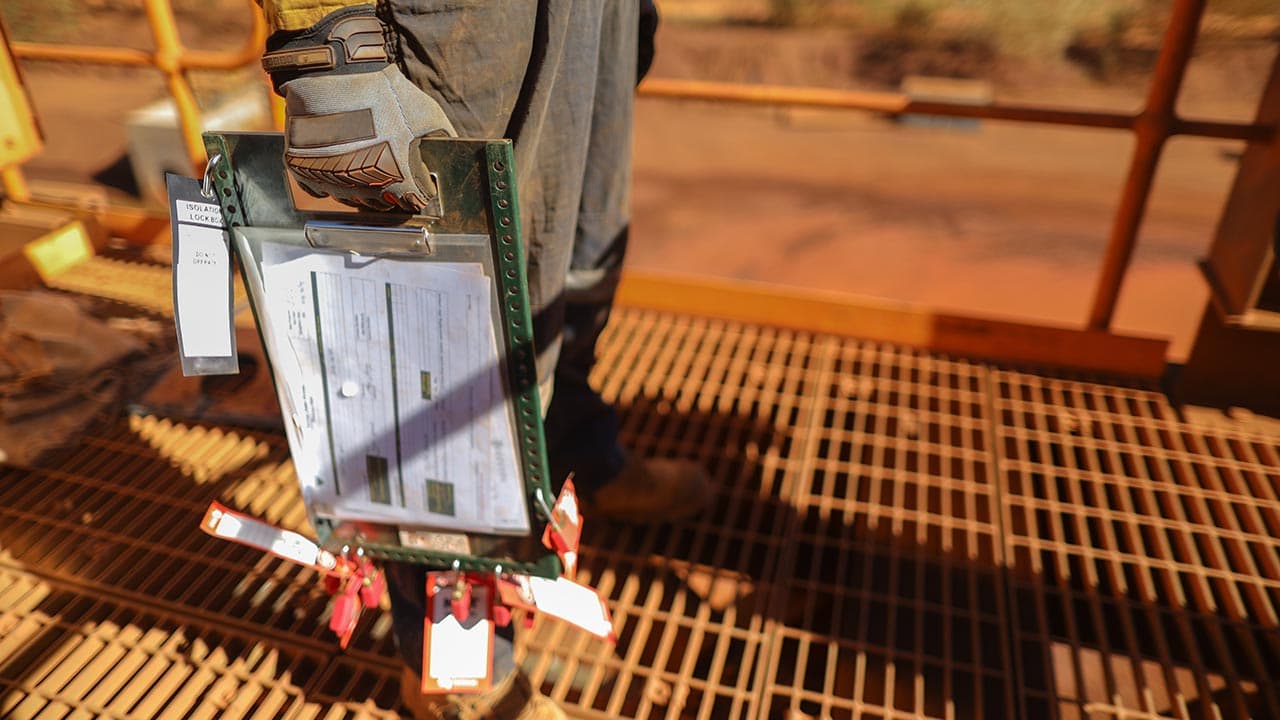
A permit to work (PTW) is a written authorisation that lets a specific high-risk task start, once its hazards have been identified and its controls are in place. The WHS laws require one in some cases, most clearly for entry into a confined space. Many businesses also use one for hot work, live electrical work, isolations and contractor work, because it puts the controls in writing and records who approved them. Where no permit is required, you still need to control the risk, and a permit is a good way to show you did.
What is a permit to work?
A permit is a formal record that sets out the task, where it's done, the hazards, the controls and the conditions for doing it safely. Someone authorised issues the permit, the person doing the work holds it, and the work is only allowed while the conditions on it are met.
Think of it as an agreement between the person who authorises the job and the person who does it. Both confirm the hazards, agree the controls and accept the conditions. A permit is only useful while it's live, so it must be checked on the day, not just filled in.
When do you need a permit to work?
Work through these categories to decide.
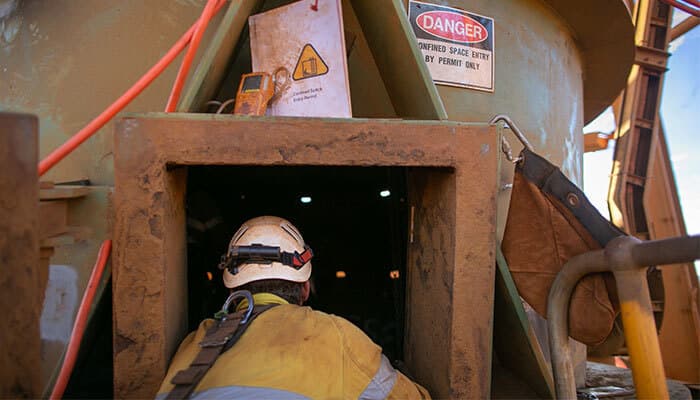
- Required by law: confined spaces. The WHS Regulations don't let anyone enter a confined space without a permit, so an entry permit is a legal requirement. Check the confined space code of practice and your state's rules, as they differ in detail.
- A SWMS is required, and a permit often follows: high-risk construction work. For high-risk construction work, a SWMS must be prepared before the work starts (regulation 299). That's a different document. Many sites also issue a permit for each high-risk activity, on top of the SWMS.
- Good practice, and often site rules: the rest. Hot work, live electrical work, isolating and locking out machinery, and contractors working on your site are the usual cases. The WHS Regulations don't name a permit for most of these, but your risk controls and your site rules often do.
For hot work, check the fire rules that apply to your site. A permit is the usual way to confirm that the area is clear of flammable material before welding, cutting or grinding starts. For isolations, the permit confirms that energy sources are locked out before maintenance starts. Our guide to lockout and tagout procedures covers the steps that go with the permit.
Types of permit to work
Use a permit for the kind of task you're doing, because each one covers different hazards.
- Confined space entry permit: needed before anyone enters a tank, pit, silo or other confined space. It covers atmosphere testing, ventilation, rescue arrangements and supervision. See the confined space entry permit template.
- Hot work permit: covers welding, cutting, grinding and anything else that makes sparks, heat or flames. It checks for flammable material and sets a fire watch. See the hot work permit template.
- Live work permit: for live testing, electrical repairs and work on energised equipment. It records who is competent to do it and what controls apply. See the live work permit template.
- Isolation permit: confirms that energy sources are isolated and locked out before maintenance or repair. See the isolation permit template.
- Contractor permit to work: gives external workers their authorisation and sets out the site-specific rules they must follow. See the contractor permit to work template.
What every permit must include
A permit only works if it's clear enough for the person holding it to follow on the day. Include:
- Task details: what the work is, where it's done, and its scope.
- Hazards and risks: the specific dangers that come with this task and location.
- Controls: the engineering, administrative and PPE controls required, in the order you'll use them.
- Authorisation: the signature of the person who checked the hazards and approved the work.
- Validity: when the permit starts and ends. Permits are usually valid for one shift. If the work runs past that, or the conditions change, issue a new permit.
- Monitoring: gas testing, a fire watch, a spotter or anything else the controls need, and who does it.
- Close-out: confirmation that the work is finished, the area is safe and the permit is returned.
Always use the current version of the permit and the work procedure. An old form with the wrong controls is worse than none.
Who is responsible?
Permits are shared responsibilities, and each person should know theirs.
- The issuer (a supervisor, manager or the PCBU) is authorised to issue the permit, check the hazards and confirm the controls before work starts.
- The permit holder (a worker or contractor) follows the conditions and stops immediately if something changes.
- Observers and spotters watch the work, check the conditions and raise the alarm if the controls aren't being followed.
Safety officers check the system as a whole. They review completed permits and incident reports, and look for patterns that show the system needs changing.
Common mistakes to avoid
- Treating the permit as paperwork. The controls must be in place and working, not only written down.
- Leaving permits open. A job that's never closed out leaves doubt about whether the area is safe.
- Copying an old permit. Each job needs its own hazard assessment, even if the task looks the same.
- Not training the people involved. Everyone who issues, holds or observes a permit should know how the system works and what the risks are.
- Assuming contractors know your rules. Confirm the rules with them in writing, and check they understand them.
How permits fit with the rest of your WHS documents
A permit works best as part of a wider system. Link it to:
- a SWMS for high-risk construction work
- your risk assessments and hazard registers, so you know which hazards each permit covers
- your emergency response procedures for fire, rescue and evacuation
- contractor inductions, so external workers know your rules before they get a permit
For confined spaces in particular, read our guide to working in a confined space alongside the permit, and see how electrical safety applies to live work.
How SafetyDocs helps
SafetyDocs has more than 1,250 expert-written templates, including the permits in this guide, SWMS and management plans. Job, client and site details fill themselves in, so you add only what's different about the task. Workers sign free on any phone from a text, a link or a QR code, with no app or account, and documents go out in the crew's languages. When a permit changes, everyone who signed the old version is asked to sign the new one. It helps you meet your duties, but it doesn't make you compliant on its own.
Common questions
Is a permit to work legally required? Only in some cases. Entry into a confined space needs a permit under the WHS Regulations. For other tasks, a permit is usually required by a SWMS, your site rules or your own risk controls.
Is a permit to work the same as a SWMS? No. A SWMS describes how a type of high-risk work is done, and it must be prepared before the work starts. A permit authorises a specific task, at a specific place and time, with conditions. Many sites use both.
How long is a permit valid? Usually for one shift, or for the length of the task. If the work runs over, or the conditions change, stop and issue a new permit.
Who can sign a permit? Someone trained and authorised to check the hazards, confirm the controls and sign off the work. Check your procedures for who that is, and make sure they're trained for the task.
This is general information, not legal advice. Check the current law with your WHS regulator.
模板库
用一份现成的 SWMS付诸实践。
浏览为澳大利亚各工种编写的 SWMS 模板。任何模板都可免费预览,几分钟就能按你的工作改好。
适用于这项工作的模板
- 表格、登记簿或检查清单Hot Work Permit
- 表格、登记簿或检查清单Confined Space Entry Permit
- 表格、登记簿或检查清单Contractor Permit to Work
- 表格、登记簿或检查清单Isolation Permit to Work
相关指南

建筑施工
What is an ITP in construction? Inspection and test plans
ITP stands for inspection and test plan. Learn what an ITP is in construction, what goes in one, how hold and witness points work, and how to write one.

建筑施工
Top 10 safety forms every site supervisor should have
The 10 safety forms a site supervisor needs, from pre-start checks and inductions to incident reports and contractor sign-in, and what each one is for.
建筑施工
What is a scaffold? Hazards, licences and installation rules
What a scaffold is, the types used in Australia, when a licence is needed, the main hazards, and the SWMS and inspection rules that apply.