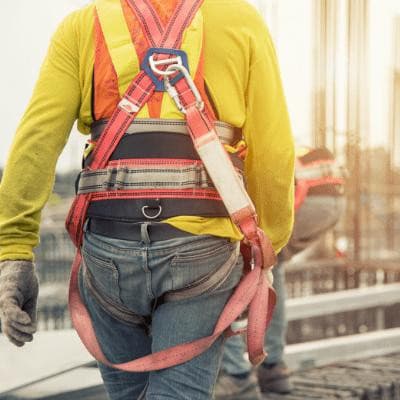
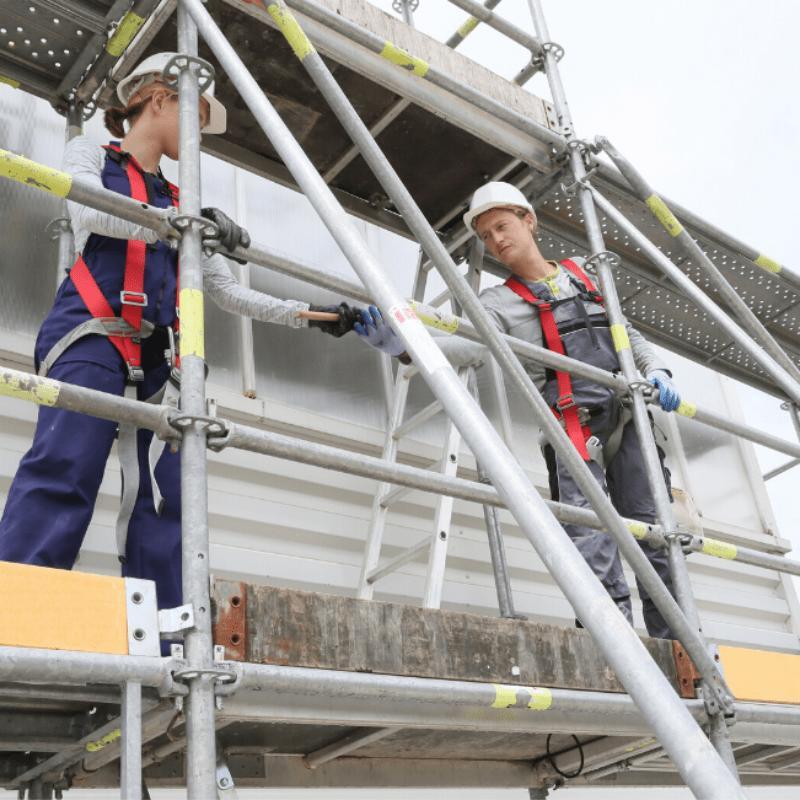
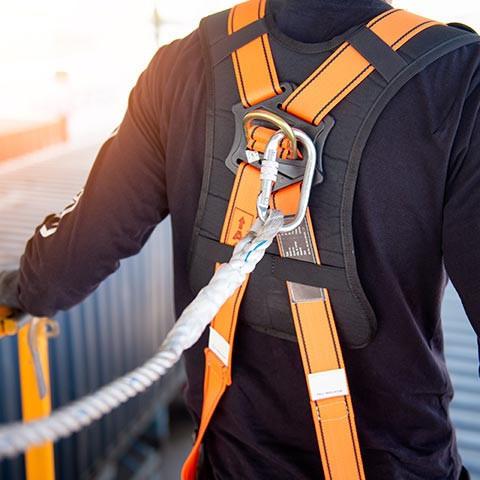
A harness, lanyard, lifeline or anchor that fails to stop a fall safely, through damage, poor fitting, an unrated anchor, too little clearance below, or a swing into a structure.
Also known as: Fall arrest failure, Harness failure, Lanyard failure, Anchor point failure
How to control fall arrest system failure
Prevent falls with edge protection, work platforms or a travel-restraint system, so fall arrest is the last line of defence rather than the plan.
Use anchor points designed and certified for fall arrest, installed and inspected by a competent person to the manufacturer's instructions and AS/NZS 1891.
Work out the fall clearance, swing-down and swing-back before rigging, and choose a lanyard or self-retracting lifeline that stops the worker before they strike the ground or a structure.
Inspect harnesses, lanyards, connectors and lifelines before each use, and take out of service anything damaged or that has arrested a fall.
Give each worker a harness of the right size and rating, and train them to fit, adjust and connect it correctly.
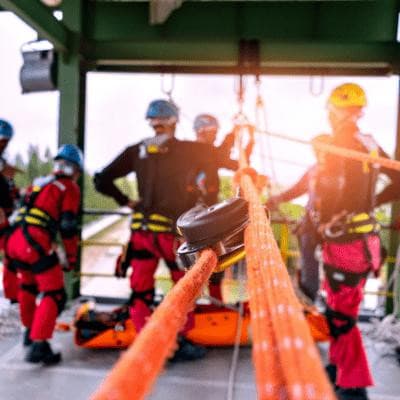
Keep lines clear of sharp edges, heat and chemicals, and have a rescue plan and equipment ready to reach a suspended worker quickly.
Typical controls, most effective first. Your SWMS sets the controls for your own job and site.
 Value pack · 12 templates
 +8
 Value pack · 9 templates

 +5
 Value pack · 15 templates

 +11


 +36

 System · 118 documents
 +114
 System · 115 documents

 System · 130 documents
 +126