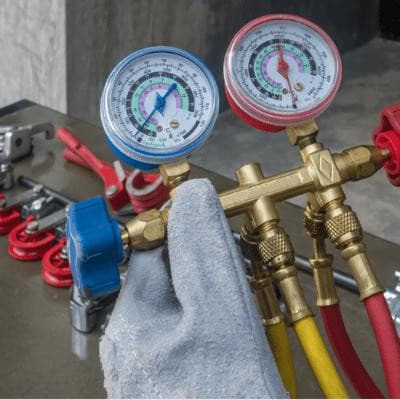
Gas cylinders
Compressed or liquefied gas cylinders that are damaged, dropped, knocked over or heated, and can leak or release gas under pressure.
Also known as: Cylinder damage, Damaged cylinders, Gas cylinder damage, Leaking cylinders, Compressed gas cylinders
How to control gas cylinders
- Store cylinders upright and secured with chains or brackets in a ventilated area away from heat and ignition sources.
- Separate oxygen and other oxidising gases from flammable gas cylinders, and keep full and empty cylinders apart.
- Move cylinders on a purpose-built trolley, and fit valve caps or guards before transport.
- Transport cylinders upright and restrained in a ventilated area, never inside an enclosed vehicle cabin.
- Fit flashback arrestors to oxy-fuel equipment, and check hoses, regulators and fittings before each use.
- Test connections for leaks with soapy water or leak-detection fluid, never a flame, and close valves when work stops.
Typical controls, most effective first. Your SWMS sets the controls for your own job and site.
Templates that cover Gas cylinders
SWMS by trade
Hazards that come up alongside it
Legislation these templates cite
- Code of Practice: Construction work1 template
- Code of Practice: First aid in the workplace1 template
- Code of Practice: How to manage WHS risks1 template
- Code of Practice: Managing risks of hazardous chemicals1 template
- Code of Practice: Work environment and facilities1 template
- OHS Act 2004 (Vic)1 template
- OHS Regulations 2017 (Vic)1 template
- WHS Act 20111 template