
Lasers
- Company doing the work
- [Company]
- Business contact
- —
- Business contact phone
- —
- Responsible person (for monitoring SWMS and work)
- —
- Responsible person's phone
- —
- Responsible person's signature
- —
- Date signed
- —
- Principal contractor (PC)
- [Principal contractor]
- PC address
- —
- PC phone
- [PC phone]
- Date SWMS provided to PC
- —
- Job site address
- [Site address]
- Part of a construction project
- —
Site management plan
If the work is part of a construction project, this SWMS must align with the requirements of the site management plan in place for the project.
High-risk construction work (HRCW)
This work involves the following high-risk construction work (HRCW), marked in the job steps below.
- FallsRisk of a person falling more than two metres. Note: in some jurisdictions this is three metres.
- Traffic CorridorsWork on, in or adjacent to a road, railway, shipping lane or other traffic corridor in use by traffic other than pedestrians
- Mobile PlantWork in an area where there is any movement of powered mobile plant
Working with a risk of a fall over 2 metres
The fall from height hierarchy of control level considered when establishing controls:
- L1Work on the ground or solid construction, not chosen
- L2Use a passive fall restraint system, e.g. guard rails, scaffolding, EWP, not chosen
- L3Use a work positioning system, e.g. travel restraint, rope access, not chosen
- L4Use a fall arrest system, e.g. safety harness, catch platforms, not chosen
- L5Implement administrative controls, e.g. signage or instruction, not chosen
No level has been chosen yet.
Planning and preparation
Planning
Liaise with the principal contractor to identify on-site safety systems and procedures
Establish supervisory and communication arrangements
The principal contractor confirms that emergency response procedures are in place.
Hold points
Identify hold points and sign them off before work continues: (specify the hold points)
Training and licences
All workers hold a general construction induction card
Workers hold the relevant certificates of competency, licences and training, recorded for each worker in the SWMS sign-off
A trained first aider is on site
All workers are trained in site-specific emergency and evacuation procedures, this SWMS, safe work procedures and safety data sheets.
Worker duties and responsibilities
Be fit for work, i.e. no signs of fatigue, alcohol or drugs
Attend all site inductions and briefings
Comply with all site requirements, e.g. PPE and traffic management plans (TMP)
Only carry out work related to the contract
Inspect completed work and report possible safety, environmental and quality matters to the supervisor.
Monitoring and review
Communicate this SWMS to everyone involved in the task before work starts
Review this SWMS, and amend it if necessary, in consultation with relevant people after any near miss or incident
If additional site hazards are identified, review this SWMS and amend the control measures to suit
Inform the people affected by revisions to this SWMS, including workers, contractors and subcontractors, as soon as possible
Give the principal contractor a copy of the revised SWMS
The site supervisor monitors work against the controls in this SWMS
Keep this SWMS on site and available for inspection or review
Keep a record of this SWMS until the job is complete, or for two years if it was involved in a notifiable incident
Regardless of any other factor, the person in control of the workplace reviews this SWMS at least annually.
Site-specific notes
(add notes specific to this site)
Legislation and codes of practice
Australian Government
Acts and regulations
- Work Health and Safety Act 2011
- Work Health and Safety Regulations 2011.
Codes of practice
- Work Health and Safety (How to Manage Work Health and Safety Risks) Code of Practice 2015
- Work Health and Safety (Construction Work) Code of Practice 2015
Australian Capital Territory
Acts and regulations
- Work Health and Safety Act 2011
- Work Health and Safety Regulation 2011
Codes of practice
- Work Health and Safety (How to Manage Work Health and Safety Risks Code of Practice) Approval 2025
- Work Health and Safety (Construction Work Code of Practice) Approval 2025
Queensland
Acts and regulations
- Work Health and Safety Act 2011
- Work Health and Safety Regulation 2011
Codes of practice
- How to Manage Work Health and Safety Risks Code of Practice 2021
New South Wales
Acts and regulations
- Work Health and Safety Act 2011
- Work Health and Safety Regulation 2025
Codes of practice
- How to manage work health and safety risks code of practice 2019
- Construction work code of practice 2019
Northern Territory
Acts and regulations
- Work Health and Safety (National Uniform Legislation) Act 2011
- Work Health and Safety (National Uniform Legislation) Regulations 2011
Codes of practice
- How to manage work health and safety risks - Code of practice 2026
- Construction work - code of practice 2026
South Australia
Acts and regulations
- Work Health and Safety Act 2012
- Work Health and Safety Regulation 2012
Codes of practice
- How to Manage Work Health and Safety Risks: Code of practice 2020
- Construction work Code of Practice 2024
Tasmania
Acts and regulations
- Work Health and Safety Act 2012
- Work Health and Safety Regulations 2022
Codes of practice
- How to Manage Work Health and Safety Risks - Code of practice 2024
- Construction Work - Code of practice 2024
Western Australia
Acts and regulations
- Work Health and Safety Act 2020
- Work Health and Safety (General) Regulations 2022
Codes of practice
- How to manage work health and safety risks – Code of practice 2022
- Construction work – Code of practice 2022
Victoria
Acts and regulations
- Occupational Health and Safety Act 2004
- Occupational Health and Safety Regulations 2017
Personal protective equipment (PPE)
- Foot Protection
- Hearing Protection
- High Visibility
- Head Protection
- Eye Protection
- Protective Clothing
- Sun Protection
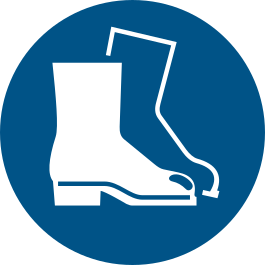

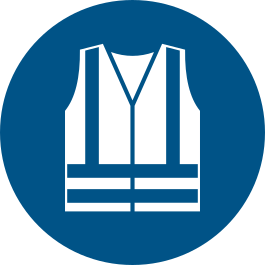


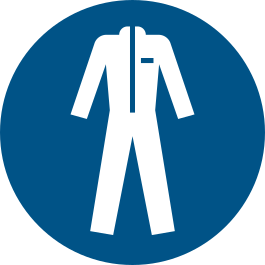
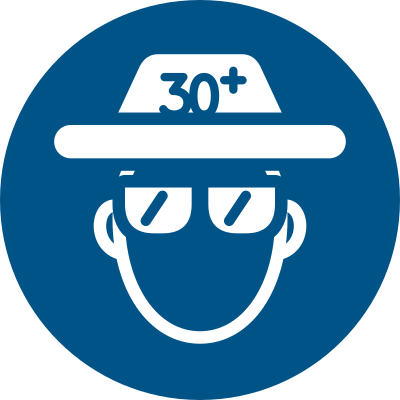
Do not wear rings, watches or jewellery that may become entangled. Tie back long and loose hair.
Job steps, hazards and controls
Each hazard is rated before controls (IR, the inherent risk) and after them (RR, the residual risk), using the risk matrix below.
- Work activity
Check weather conditions and prepare
- Hazard
Extreme weather
Before controls3 HighControlsCheck weather conditions – do not work in extreme conditions
Reschedule work to more moderate temperatures.
After controls2 ModerateResponsible- SupervisorMaintain awareness of weather conditions
- OperatorFollow controls
- Hazard
Hyperthermia
Hypothermia
Before controls3 HighControlsEnsure workers are trained to recognise the symptoms of hyperthermia and hypothermia
In hot conditions, ensure:
Suitable protective clothing
Sun brims on hard hats
UV-rated safety glasses
30+ sunscreen on exposed skin
Adequate drinking water
Access to shade on breaks
Adequate breaks.
In cold conditions, ensure workers:
Take scheduled warm-up breaks, held inside
Dress warmly in layers
Stay dry (wet clothing chills the body rapidly)
Get out of the cold as soon as they can if they start to feel symptoms
Know that alcohol, cigarettes, caffeine and certain medications increase susceptibility to cold.
After controls2 ModerateResponsible- SupervisorMaintain awareness of weather conditions
- OperatorFollow controls
IR before controls · RR after controls1 LLow2 MModerate3 HHigh4 AAcute
Overall risk after controls2 MModeratethe highest rating after controls