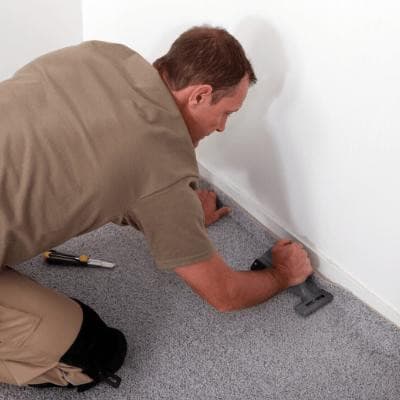
Airborne dust
Dust raised by work, plant movement or dried material that can be breathed in or spread beyond the site.
Also known as: Dust, Nuisance dust, Dust emissions, Exposure to dust
How to control airborne dust
- Choose work methods that create less dust, such as wet cutting, pre-wetting materials or using pre-cut components.
- Fit on-tool dust extraction connected to a suitable vacuum, and use water carts or sprays on haul roads and stockpiles.
- Clean up with a suitable vacuum or wet methods rather than dry sweeping or blowing dust with compressed air.
- Set up screens or barriers, and stop dusty work in strong winds that would carry dust beyond the site boundary.
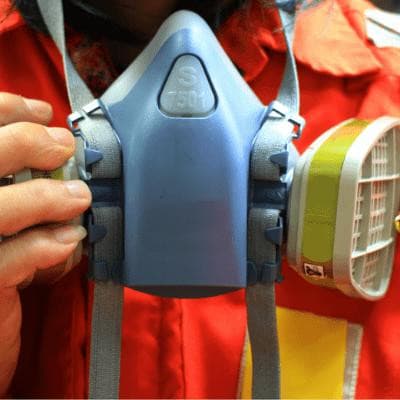
- Wear respiratory protection suited to the dust, and have tight-fitting respirators fit-tested to the wearer.
Typical controls, most effective first. Your SWMS sets the controls for your own job and site.
Templates that cover Airborne dust
SWMS by trade
Hazards that come up alongside it
Legislation these templates cite
- OHS Act 2004 (Vic)3 templates
- OHS Regulations 2017 (Vic)3 templates
- WHS Act 20113 templates
- WHS Regulations 20113 templates
- Code of Practice: Construction work2 templates
- Code of Practice: First aid in the workplace2 templates
- Code of Practice: How to manage WHS risks2 templates
- Code of Practice: Work environment and facilities2 templates