
Respirable crystalline silica
Fine silica dust from cutting, drilling, grinding or crushing stone, concrete, brick and tile that can cause silicosis and other lung disease.
Also known as: RCS, Silica dust, Crystalline silica, Silicosis, Exposure to silica dust, Inhalation of silica, Exposure to RCS, Exposure to respirable crystalline silica, Exposure to respirable crystalline silica (RCS), Extended exposure to silica dust
How to control respirable crystalline silica
- Do not use banned engineered stone products, and choose lower-silica materials or pre-cut components where possible.
- Use water suppression or on-tool extraction connected to a vacuum rated for hazardous dust when cutting, grinding or drilling.
- Clean up with wet methods or a vacuum rated for hazardous dust, and never dry sweep or use compressed air.
- Arrange air monitoring to confirm exposures stay below the workplace exposure standard for respirable crystalline silica.
- Provide health monitoring for workers at significant risk from silica exposure, as WHS laws require.
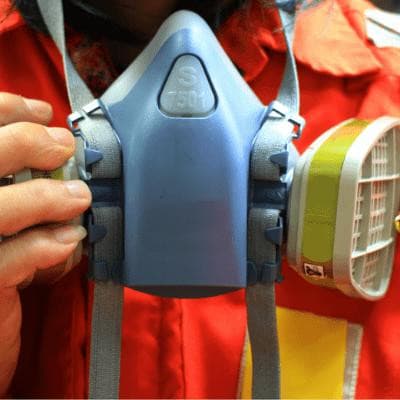
- Wear fit-tested respiratory protection suited to the task, and be clean-shaven where a tight-fitting respirator is used.
Typical controls, most effective first. Your SWMS sets the controls for your own job and site.
Templates that cover Respirable crystalline silica

SWMS by trade
Hazards that come up alongside it
Legislation these templates cite
- OHS Act 2004 (Vic)4 templates
- OHS Regulations 2017 (Vic)4 templates
- WHS Act 20114 templates
- WHS Regulations 20114 templates
- Code of Practice: Construction work3 templates
- Code of Practice: First aid in the workplace3 templates
- Code of Practice: How to manage WHS risks3 templates
- Code of Practice: Work environment and facilities3 templates