Underwater diving
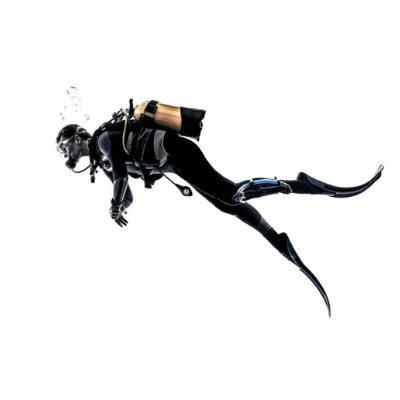
Diving work with breathing apparatus that can cause loss of breathing gas, decompression sickness, blackout, cold exposure or injury to a diver.
Also known as: Decompression sickness, Shallow water blackout, Loss of breathing gas supply, Use supplied air dive system, Ballast weight loss, Exposure to cold water during a dive, Surface vessel collision, Commercial diving
How to control underwater diving
- Use a competent diving contractor, and have divers hold the qualifications and medical clearance the work requires.
- Prepare a dive plan covering depth, bottom time, decompression, emergency procedures and the dive team's roles before diving.
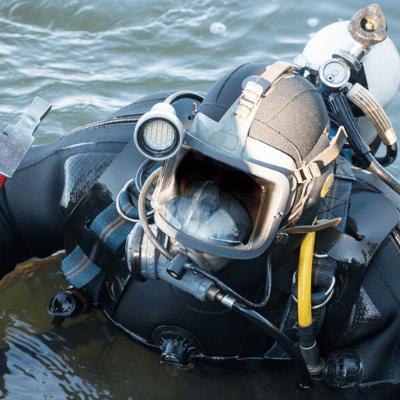
- Use a surface-supplied air system with a standby diver in place of free diving where the task allows, and keep a backup breathing gas supply.
- Keep a standby diver, a dive supervisor and a surface vessel tender on duty throughout, with agreed communication signals.
- Display dive flags and keep boats and other water users clear of the dive site, and tell the harbour or waterway authority.
- Keep a recompression chamber and emergency oxygen within reach, and have a procedure for treating decompression illness and cold exposure.
Typical controls, most effective first. Your SWMS sets the controls for your own job and site.
Templates that cover Underwater diving