Falling into or being trapped in water, or working on or near deep, fast-flowing or open water or from a vessel, where a person can be immersed and drown.
Also known as: Drowning, Immersion, Accidental immersion, Falling into the water, Man overboard, Capsized vessel, Deep / fast-flowing water, Submerged objects
How to control drowning and immersion
Avoid working in or over water where the task can be done from dry land or from a stable platform with edge protection.
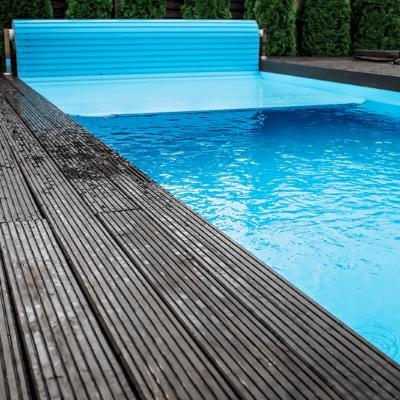
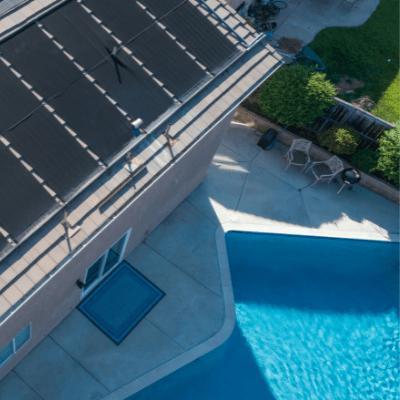
Fence, cover or barricade open water, pools, tanks and drains so people cannot fall in, and keep damaged barriers out of use until repaired.
Check water depth, flow, tides, weather and submerged obstacles before work, and do not start or continue if conditions are unsafe.
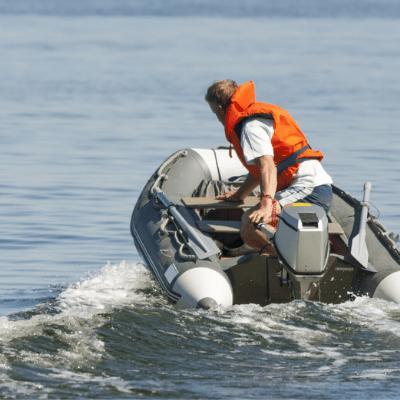
Keep vessels within their load and weather limits, and make sure the skipper holds the required licence and crew are briefed on man overboard and capsize drills.
Do not work alone near water, and keep a rescue plan, lifebuoy, throw line and trained rescuers ready before work starts.
Wear a lifejacket or personal flotation device suited to the work, and fit lifejackets to everyone on a vessel or working over water.
Typical controls, most effective first. Your SWMS sets the controls for your own job and site.
 Value pack · 22 templates

 +18
 Value pack · 17 templates

 +13
 Value pack · 15 templates
 +11
 Value pack · 40 templates

 +36
 Value pack · 35 templates

 +31
 +22
 Value pack · 57 templates



 System · 118 documents
 +114
 System · 115 documents

 System · 165 documents

 +161
 +152
 System · 133 documents

 +129
 System · 137 documents